Depression Research
Major depressive disorder, often referred to as major depression, is a heterogenous condition with complex and diverse neurobiological etiologies. Depression is characterized by a triad of symptoms: low or depressed mood, anhedonia and low energy or fatigue. Approximately 15% of the population in developed countries has been affected by depression in their lifetime and the chance of developing depression is twice as high in women. 40-50% of depressive causes are inheritable (genes as yet unidentified) and the remaining 50-60% of causes are caused by environmental stressors.
Depression Research Products Targets
- FGFR (5)
- Voltage-gated Calcium Channel (CaV) (38)
- Others (13)
- Glucocorticoid Receptor (9)
- Nucleoside Transporter (5)
- Glycine Transporter (6)
- GABA (10)
- Cannabinoid Transporter (10)
- Acetylcholine Transporter (1)
- D4 Receptor (12)
- 5-HT7 Receptor (11)
- 5-HT6 Receptor (14)
- 5-ht5 Receptor (2)
- 5-HT4 Receptor (17)
- NK2 Receptor (7)
- NK1 Receptor (15)
- Glutamate (Metabotropic) Group III Receptor (26)
- Glutamate (Metabotropic) Group II Receptor (33)
- Glutamate (Metabotropic) Group I Receptor (54)
- AMPA Receptor (45)
- D3 Receptor (12)
- NK3 Receptor (5)
- Vesicular Monoamine Transporter (4)
- NMDA Receptor (87)
- Kainate Receptor (22)
- D2 Receptor (14)
- D1 and D5 Receptor (16)
- Trk Receptor (13)
- Trace Amine 1 Receptor (2)
- Glutamate Transporter (18)
- Dopamine Transporter (20)
- CRF2 Receptor (3)
- CRF1 Receptor (5)
- Adrenergic Transporter (23)
- 5-HT Transporter (30)
- Vasopressin Receptor (6)
- Monoamine Oxidase (10)
- Adrenergic α2 Receptor (33)
- Adrenergic α1 Receptor (22)
- Adrenergic β3 Receptor (12)
- Adrenergic β2 Receptor (6)
- Adrenergic β1 Receptor (7)
Products for Depression Research - Page 51
- Cat.No. Product Name Information/Activity
-
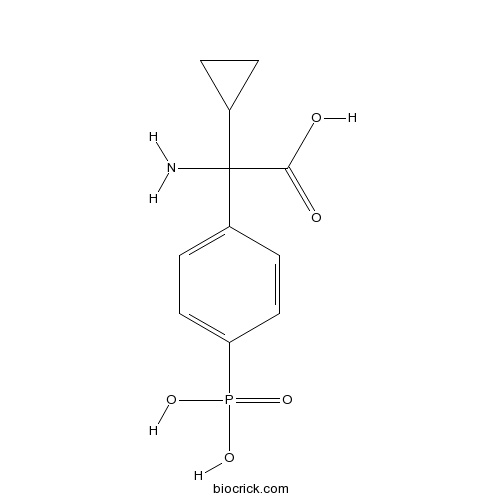
BCC6872
CPPG
CPPG ((RS)-CPPG) is a potent group II/III mGlu receptor antagonist. CPPG exhibits some selectivity (approximately 20 fold) for group III (IC50=2.2 nM) over group II (IC50=46.2 nM) mGlu receptors in the rat cerebral cortex. CPPG has weak effects at group I mGlu receptors.
-
BCC7528
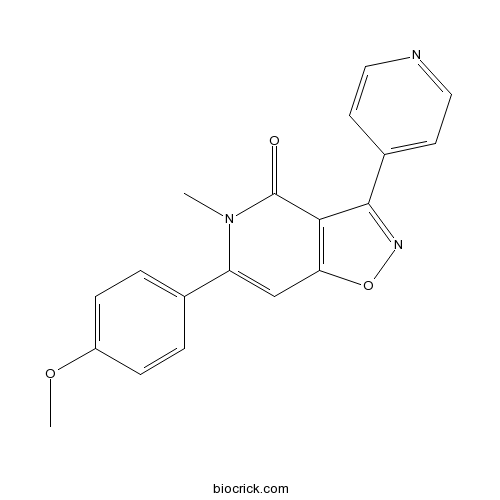
MMPIP hydrochloride
479077-02-6
-
BCC6818
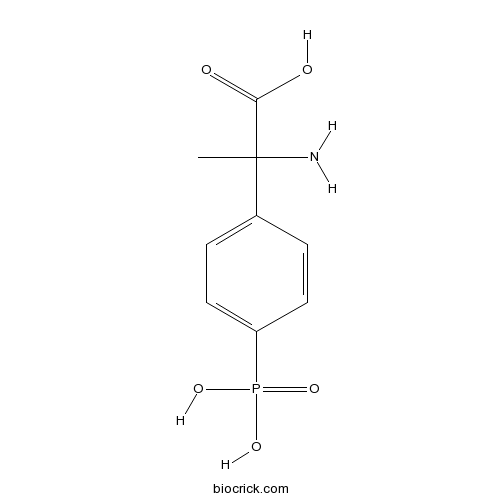
MPPG
169209-65-8
-
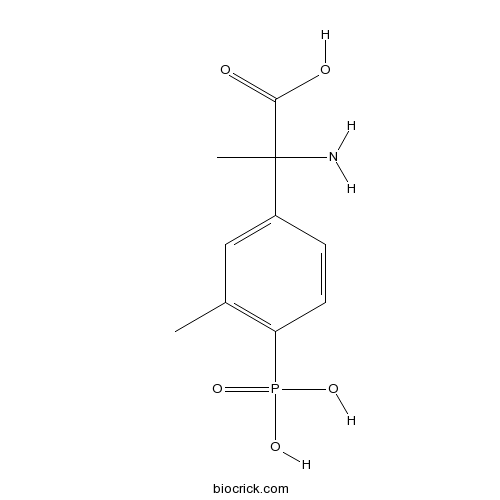
BCC7033
UBP1112
339526-74-8
-
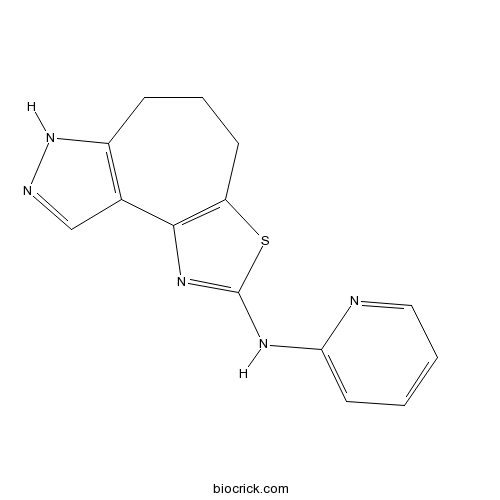
BCC6150
TC-N 22A
1314140-00-5
-
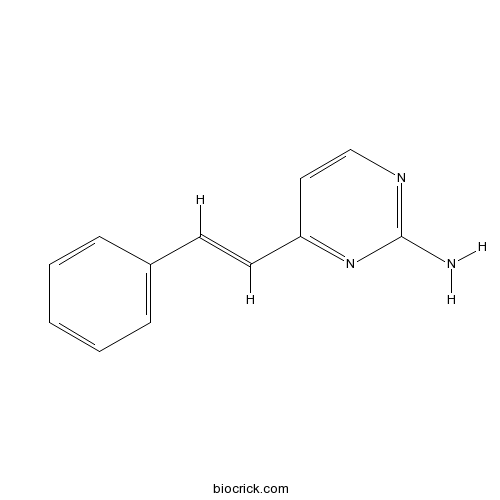
BCC7901
TCN 238
TCN238 is a positive allosteric mGlu4 receptor modulator with an EC50 of 1 μM.
-
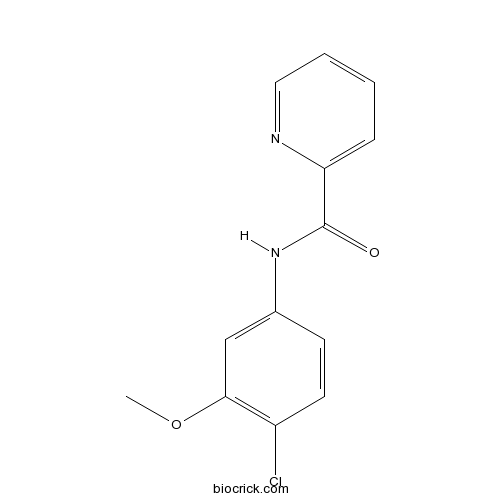
BCC4596
VU 0361737
VU 0361737 is a selective positive allosteric modulator (PAM) for mGlu4 receptor with EC50 of 240 nM and 110 nM at human and rat receptors, respectively, displays weak activity at mGlu5 and mGlu8 receptors, is inactive at mGlu1, mGlu2, mGlu3, mGlu6 and mGlu7 receptors.
-
BCC1239
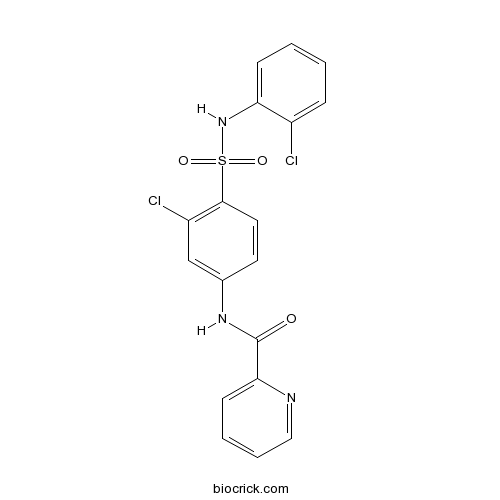
VU 0364439
VU 0364439 is a mGlu4 positive allosteric modulator (PAM), with EC50 of 19.8 nM.
-
BCC4597
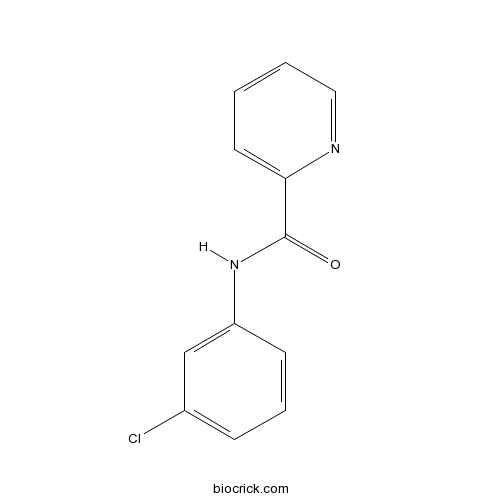
VU 0364770
VU0364770 is a selective and potent positive allosteric modulator (PAM) of mGlu4. VU0346770 exhibits EC50s of 290 nM and 1.1 μM at rat mGlu4 and human mGlu4 receptor, respectively. VU0364770 exhibits antagonist activity at mGlu5 with a potency of 17.9 μM and PAM activity at mGlu6 with a potency of 6.8 μM. VU0364770 also possesses activity at MAO with Ki values of 8.5 and 0.72 μM for human MAO-A and human MAO-B, respectively.
-
BCC7925
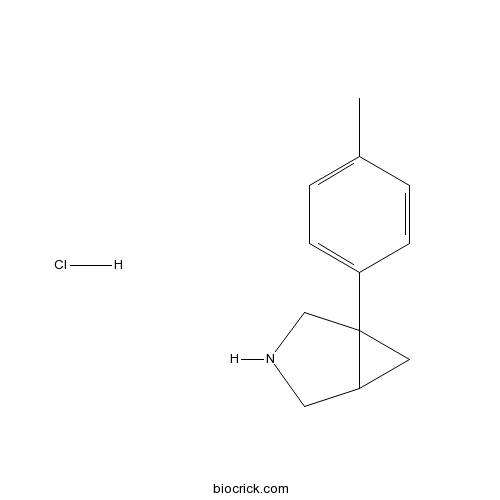
Bicifadine hydrochloride
66504-75-4