Alzheimer's Disease Research
Alzheimer's disease (AD), the most common type of dementia, is an irreversible and progressive neurodegenerative disorder causing cognitive and functional impairment. It is characterized by formation of protein aggregates and progressive loss of neurons in the central nervous system (CNS). The symptoms of AD include short-term memory loss, confusion, irritability, aggression and mood swings, progressing to long-term memory deficit, withdrawal from social interactions and subsequently a loss in higher central functioning.
Alzheimer's Disease Research Products Targets
- Others (23)
- Cyclooxygenase (24)
- Complement (2)
- AMPA Receptor (45)
- Nicotinic (α7) Receptor (25)
- Nicotinic (α4β2) Receptor (14)
- NMDA Receptor (87)
- Kainate Receptor (22)
- Microtubule (19)
- DYRK (3)
- Cholinesterase (10)
- Autophagy (44)
- Antioxidant (19)
- Amyloid beta Peptide (28)
- Estrogen and Related Receptor (33)
- Glycogen Synthase Kinase 3 (20)
- gamma-Secretase (9)
Products for Alzheimer's Disease Research - Page 39
- Cat.No. Product Name Information/Activity
-
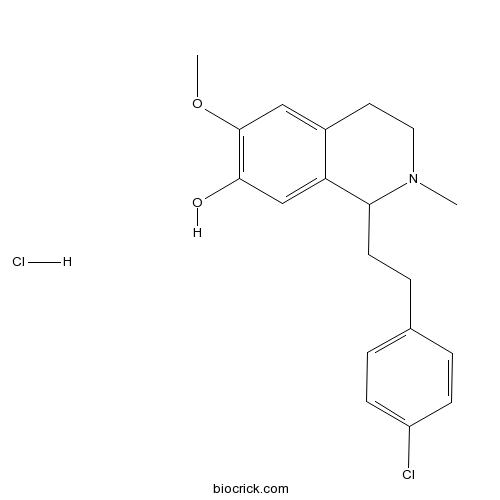
BCC7234
Ro 04-5595 hydrochloride
64047-73-0
-
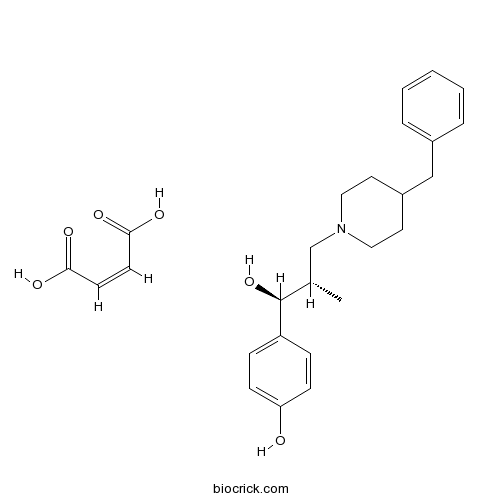
BCC4159
Ro 25-6981 Maleate
Ro 25-6981 Maleate is a potent and selective activity-dependent blocker of NMDA receptors containing the NR2B subunit.
-
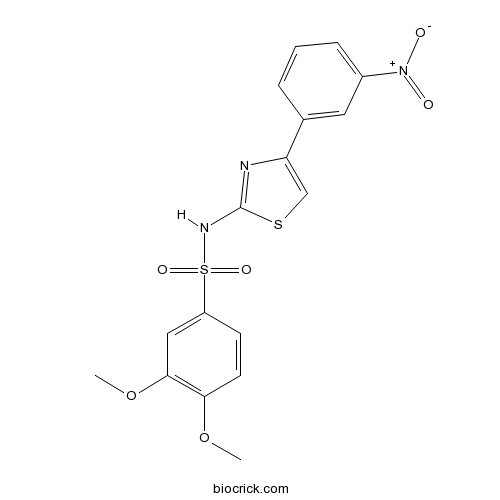
BCC7619
Ro 61-8048
Ro 61-8048 is a potent and selective inhibitors of kynurenine hydroxylase with IC50 of 37 nM.
-
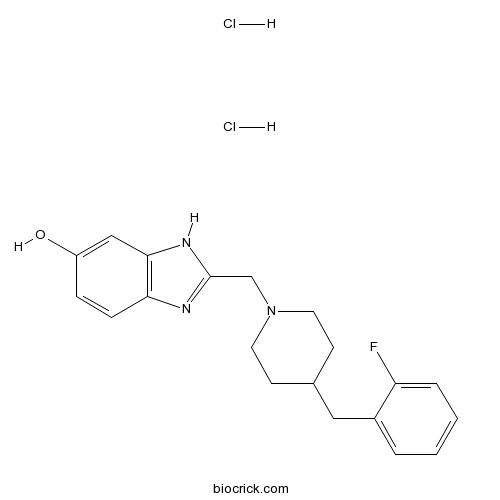
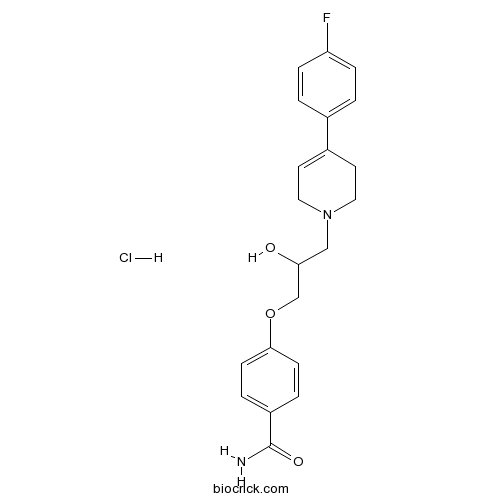
BCC7655
Ro 8-4304 hydrochloride
1312991-77-7
-
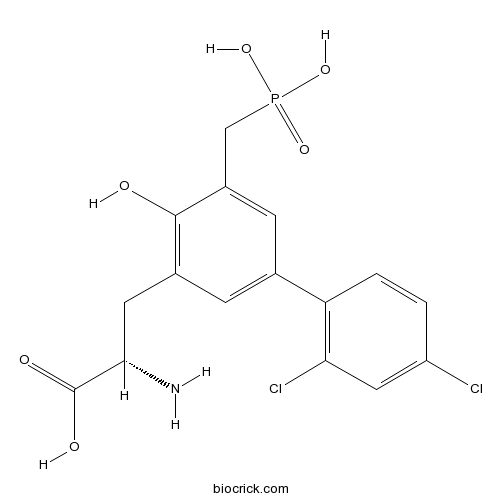
BCC6992
SDZ 220-040
174575-40-7
-
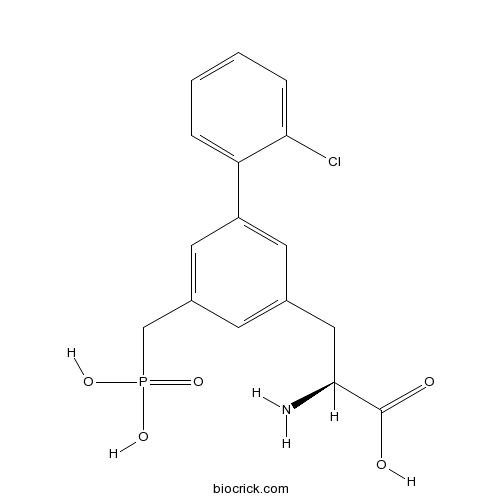
BCC1939
SDZ 220-581
SDZ 220-581 is an orally active, potent, competitive NMDA receptor antagonist with pKi value of 7.7.
-
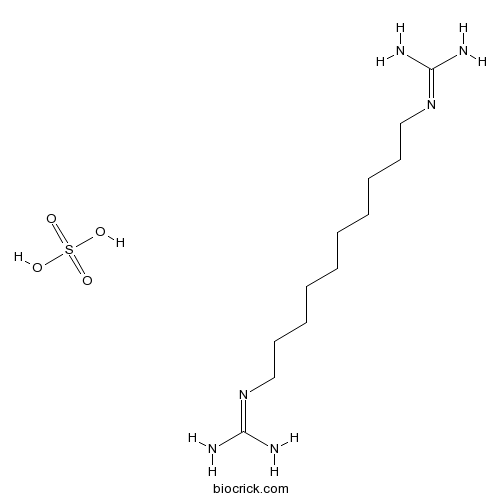
BCC6730
Synthalin sulfate
182285-12-7
-
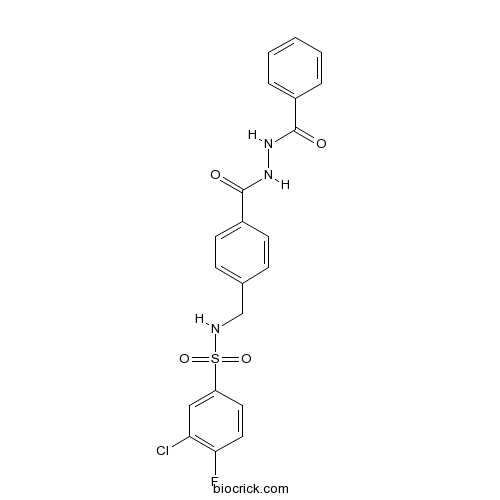
BCC6122
TCN 201
852918-02-6
-
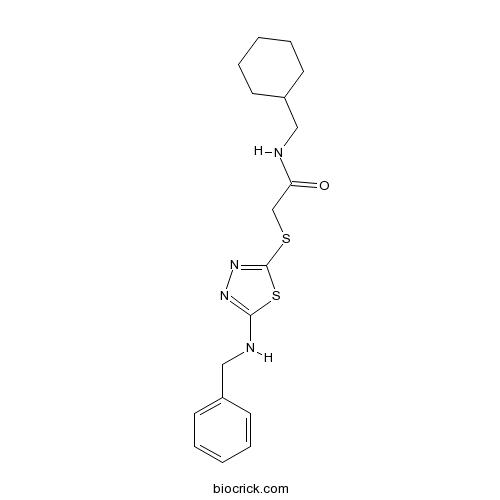
BCC6123
TCN 213
556803-08-8
-
BCC6111
TCN 237 dihydrochloride
NMDA-IN-1 is a potent and NR2B-selective NMDA antagonist with Ki of 0.85 nM; NR2B Ca2+ influx IC50 is 9.7 nM; no activities on NR2A, NR2C, NR2D, hERG-channel and α1-adrenergic receptor.