Alzheimer's Disease Research
Alzheimer's disease (AD), the most common type of dementia, is an irreversible and progressive neurodegenerative disorder causing cognitive and functional impairment. It is characterized by formation of protein aggregates and progressive loss of neurons in the central nervous system (CNS). The symptoms of AD include short-term memory loss, confusion, irritability, aggression and mood swings, progressing to long-term memory deficit, withdrawal from social interactions and subsequently a loss in higher central functioning.
Alzheimer's Disease Research Products Targets
- Others (23)
- Cyclooxygenase (24)
- Complement (2)
- AMPA Receptor (45)
- Nicotinic (α7) Receptor (25)
- Nicotinic (α4β2) Receptor (14)
- NMDA Receptor (87)
- Kainate Receptor (22)
- Microtubule (19)
- DYRK (3)
- Cholinesterase (10)
- Autophagy (44)
- Antioxidant (19)
- Amyloid beta Peptide (28)
- Estrogen and Related Receptor (33)
- Glycogen Synthase Kinase 3 (20)
- gamma-Secretase (9)
Products for Alzheimer's Disease Research - Page 37
- Cat.No. Product Name Information/Activity
-
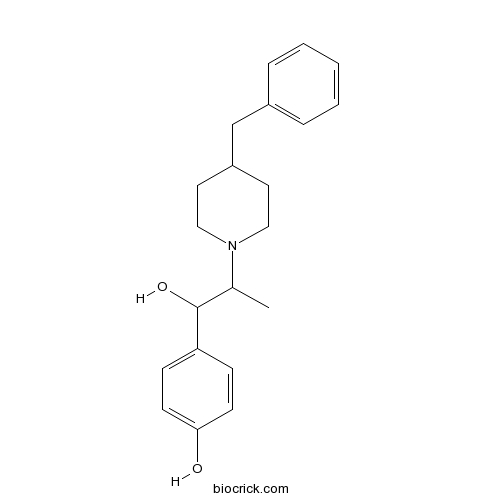
BCC6688
Ifenprodil hemitartrate
23210-56-2
-
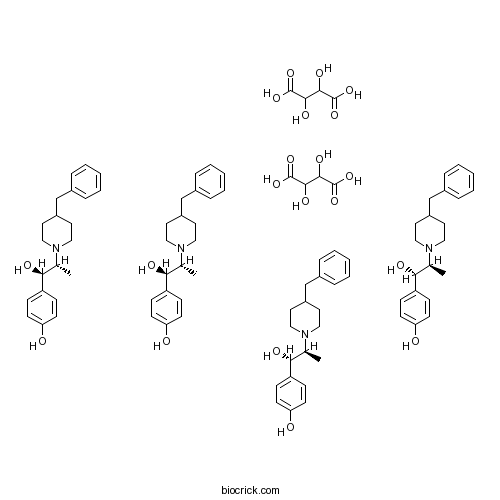
BCC7508
threo Ifenprodil hemitartrate
1312991-83-5
-
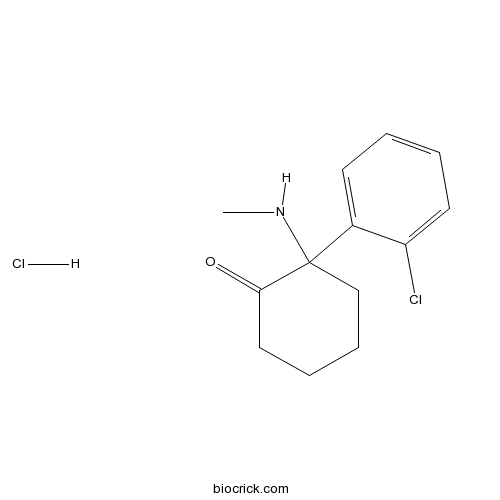
BCC5982
Ketamine hydrochloride
1867-66-9
-
BCC7930
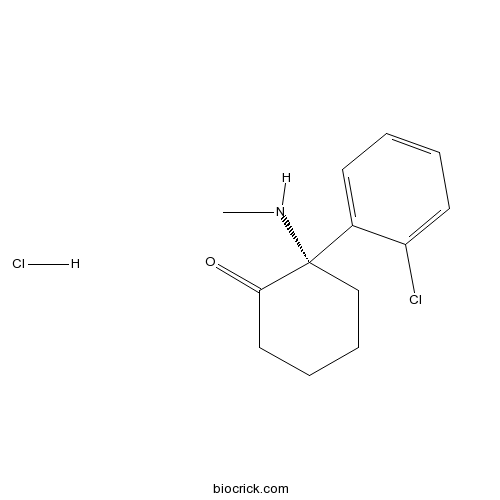
(S)-(+)-Ketamine hydrochloride
33643-47-9
-
BCC6774
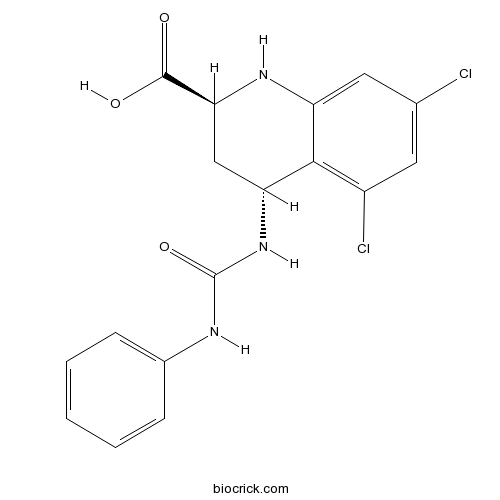
L-689,560
L-689560 is a potent N-methyl-D-aspartate (NMDA) receptor antagonist at the GluN1 glycine binding site. L-689560 is widely used as a radiolabeled ligand in binding studies and used for study the roles of NMDA receptors in normal neurological processes as well as in diseases.
-
BCC6755
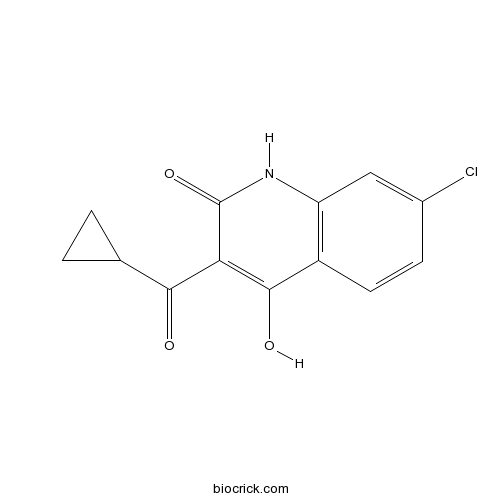
L-701,252
151057-13-5
-
BCC6842
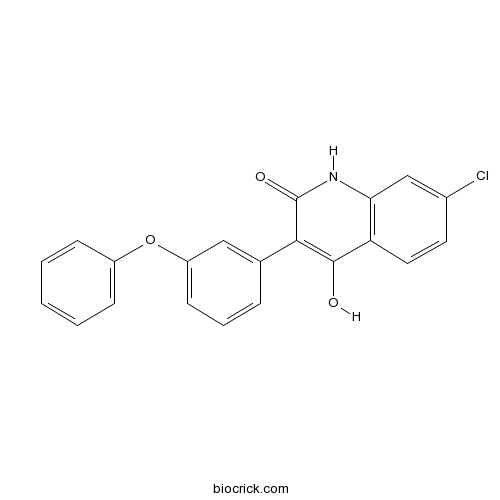
L-701,324
L-701324 is an orally active and long acting anticonvulsant with high affinity and selectivity for the glycine site on the NMDA receptor.
-
BCC4380
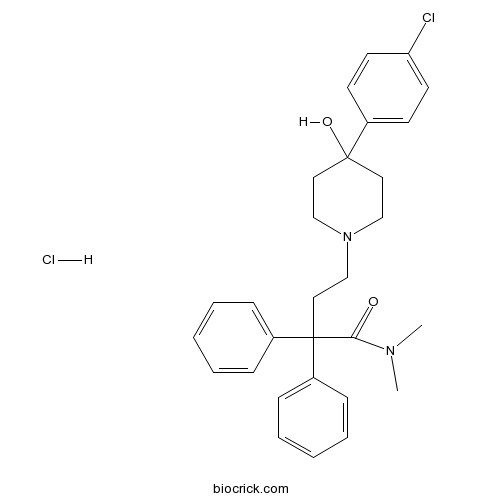
Loperamide HCl
Loperamide (hydrochloride) (R-18553 (hydrochloride)) is an opioid receptor agonist. Loperamide hydrochloride is a selective and competitive
-
BCC5771
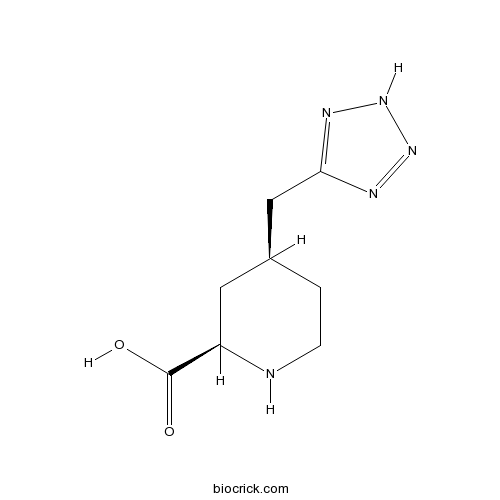
LY 233053
125546-04-5
-
BCC6892
LY 235959
137433-06-8