Alzheimer's Disease Research
Alzheimer's disease (AD), the most common type of dementia, is an irreversible and progressive neurodegenerative disorder causing cognitive and functional impairment. It is characterized by formation of protein aggregates and progressive loss of neurons in the central nervous system (CNS). The symptoms of AD include short-term memory loss, confusion, irritability, aggression and mood swings, progressing to long-term memory deficit, withdrawal from social interactions and subsequently a loss in higher central functioning.
Alzheimer's Disease Research Products Targets
- Others (23)
- Cyclooxygenase (24)
- Complement (2)
- AMPA Receptor (45)
- Nicotinic (α7) Receptor (25)
- Nicotinic (α4β2) Receptor (14)
- NMDA Receptor (87)
- Kainate Receptor (22)
- Microtubule (19)
- DYRK (3)
- Cholinesterase (10)
- Autophagy (44)
- Antioxidant (19)
- Amyloid beta Peptide (28)
- Estrogen and Related Receptor (33)
- Glycogen Synthase Kinase 3 (20)
- gamma-Secretase (9)
Products for Alzheimer's Disease Research - Page 35
- Cat.No. Product Name Information/Activity
-
BCC6577
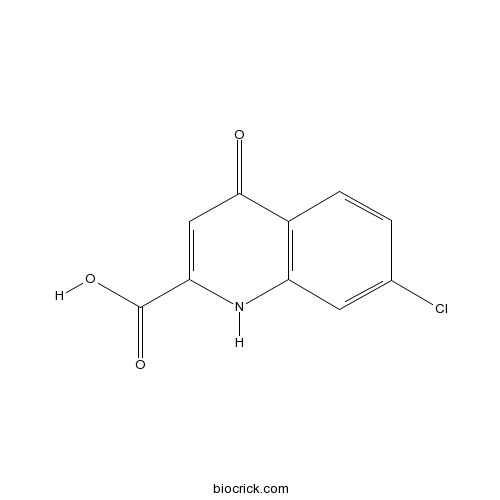
7-Chlorokynurenic acid
7-Chlorokynurenic acid (7-CKA) is a potent and selective antagonist of the glycine B coagonist site of the N-methyl-D-aspartate (NMDA) receptor (IC50=0.56 μM). 7-Chlorokynurenic acid is also a potent inhibitor of the reuptake of glutamate into synaptic vesicles with a Ki of 0.59 μM. 7-Chlorokynurenic acid has potent antinociceptive actions after neuraxial delivery.
-
BCC6805
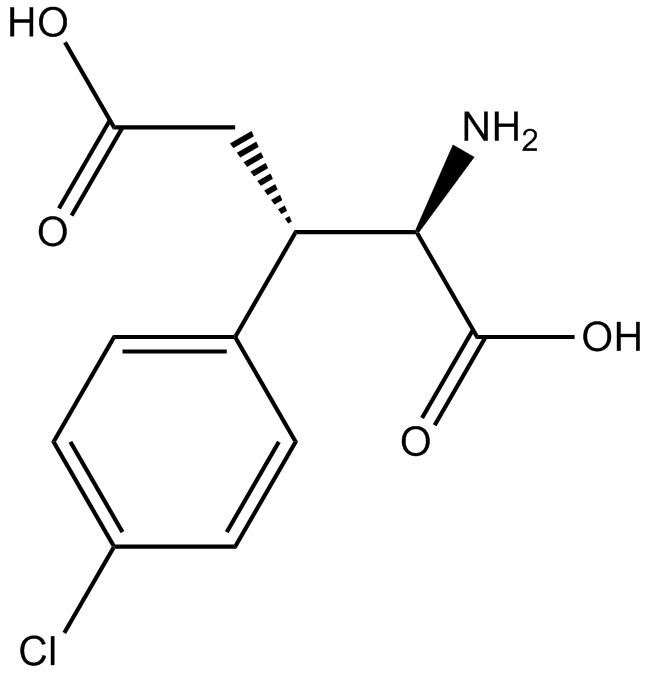
(2R,3S)-Chlorpheg
140924-23-8
-
BCC7369
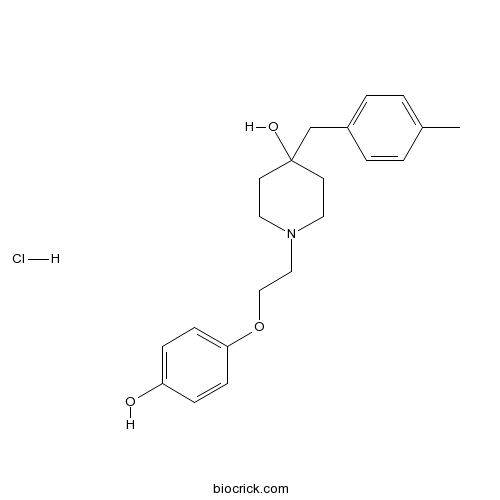
Co 101244 hydrochloride
193356-17-1
-
BCC6120
Conantokin G
93438-65-4

-
BCC5980
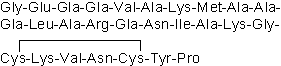
Conantokin-R
202925-60-8
-
BCC5977
Conantokin-T
127476-26-0

-
BCC6581
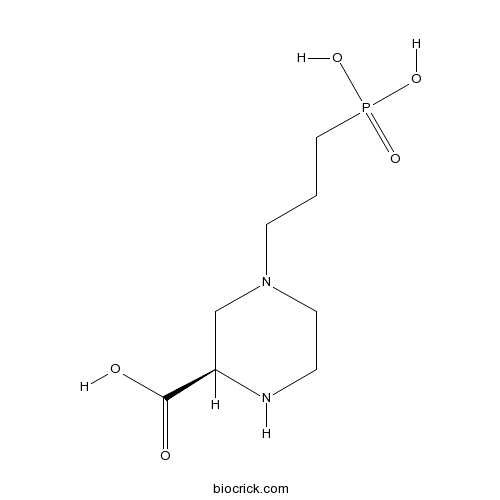
(R)-CPP
126453-07-4
-
BCC6561
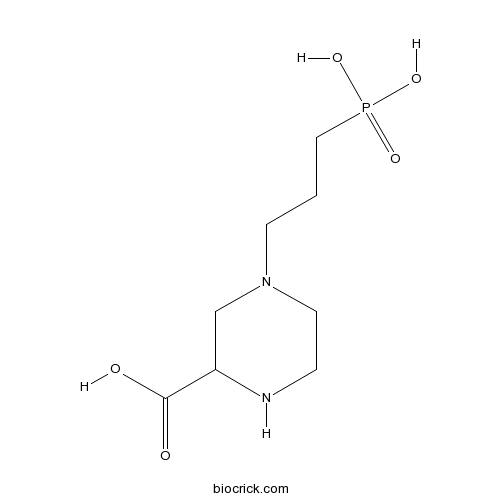
(RS)-CPP
100828-16-8
-
BCC6999
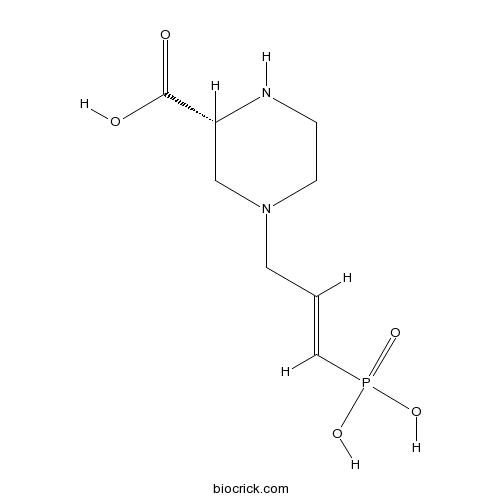
D-CPP-ene
117414-74-1
-
BCC6592
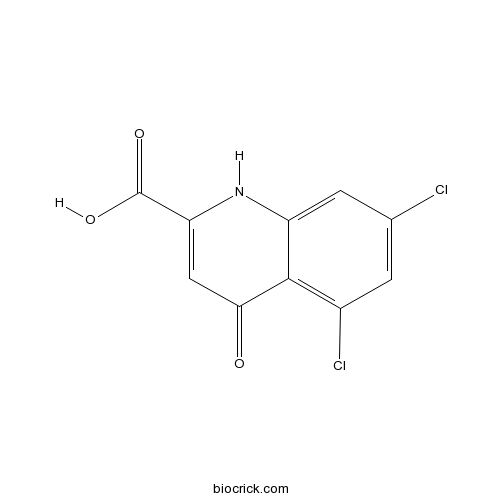
5,7-Dichlorokynurenic acid
131123-76-7