Antioxidant
An antioxidant is a molecule that inhibits the oxidation of other molecules. Oxidation is a chemical reaction that can produce free radicals, leading to chain reactions that may damage cells. Antioxidants such as thiols or ascorbic acid (vitamin C) terminate these chain reactions. The term "antioxidant" is mainly used for two different groups of substances: industrial chemicals which are added to products to prevent oxidation, and natural chemicals found in foods and body tissue which are said to have beneficial health effects.
Products for Antioxidant
- Cat.No. Product Name Information/Activity
-
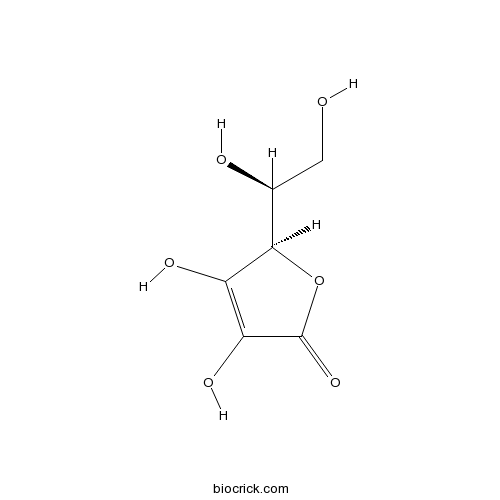
BCN2207
Ascorbic acid
PROTAC EED degrader-1 is a PROTAC targeting EED with a pKD of 9.02. PROTAC EED degrader-1 is a polycomb repressive complex 2 (PRC2) inhibitor (pIC50=8.17) targeting the EED subunit.
-
BCN5986
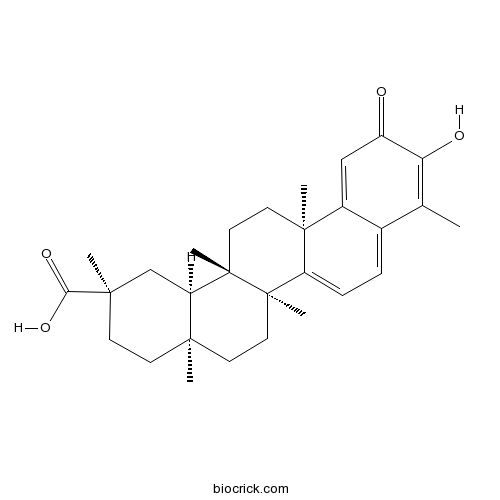
Celastrol
Tripterin (Celastrol) is a proteasome inhibitor which potently and preferentially inhibits the chymotrypsin-like activity of a purified 20S proteasome with IC50 of 2.5 μM.
-
BCN5954
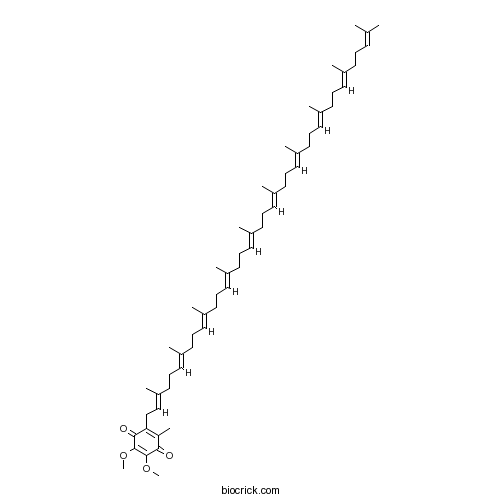
Coenzyme Q10
Coenzyme Q10 is an essential cofactor of the electron transport chain and a potent antioxidant agent.
-
BCN5504
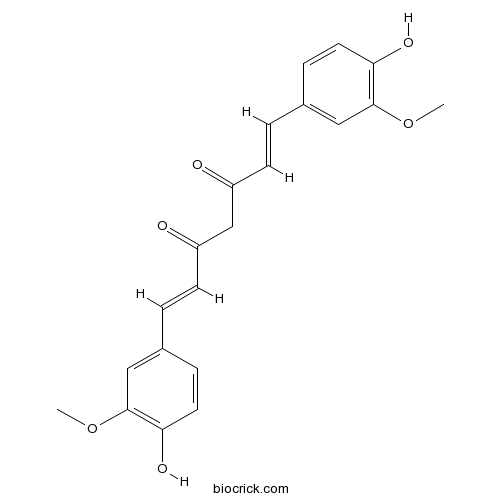
Curcumin
Curcumin (Diferuloylmethane), a natural phenolic compound, is a p300/CREB-binding protein-specific inhibitor of acetyltransferase, represses the acetylation of histone/nonhistone proteins and histone acetyltransferase-dependent chromatin transcription. Curcumin shows inhibitory effects on NF-κB and MAPKs, and has diverse pharmacologic effects including anti-inflammatory, antioxidant, antiproliferative and antiangiogenic activities.
-
BCC4776
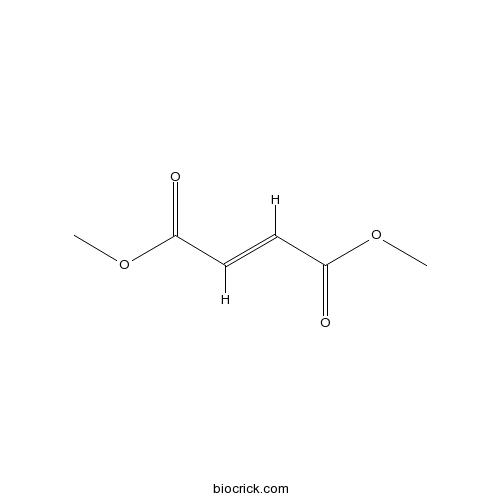
Dimethyl Fumarate
Dimethyl fumarate is a nuclear factor (erythroid-derived)-like 2 (Nrf2) pathway activator and induces upregulation of antioxidant gene expression.
-
BCC2480
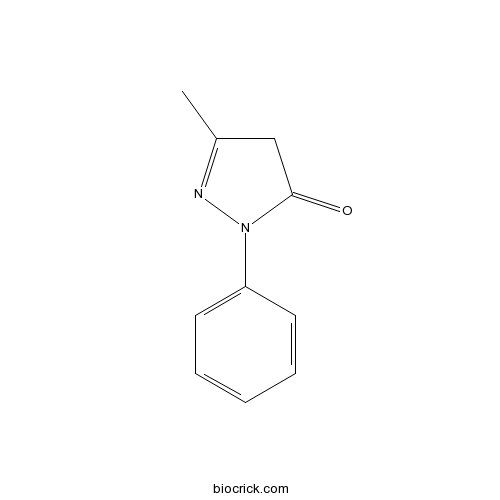
Edaravone
Edaravone is a strong novel free radical scavenger, and inhibits MMP-9-related brain hemorrhage in rats treated with tissue plasminogen activator.
-
BCN5024
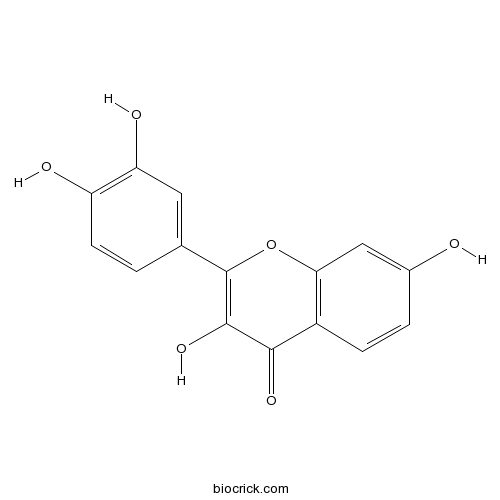
Fisetin
Fisetin is a natural flavonol found in many fruits and vegetables with various benefits, such as antioxidant, anticancer, neuroprotection effects.
-
BCC8030
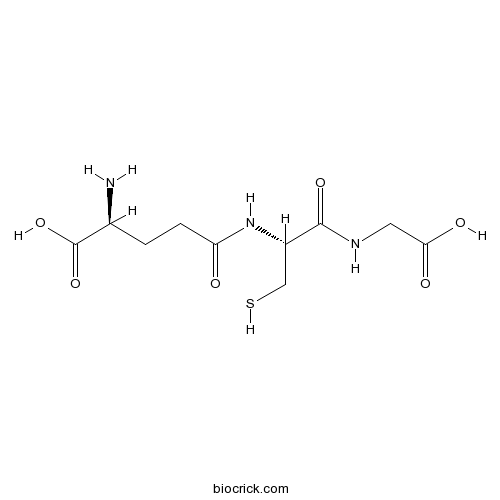
L-Glutathione Reduced
L-Glutathione reduced (GSH; γ-L-Glutamyl-L-cysteinyl-glycine) is an endogenous antioxidant and is capable of scavenging oxygen-derived free radicals.
-
BCN1001
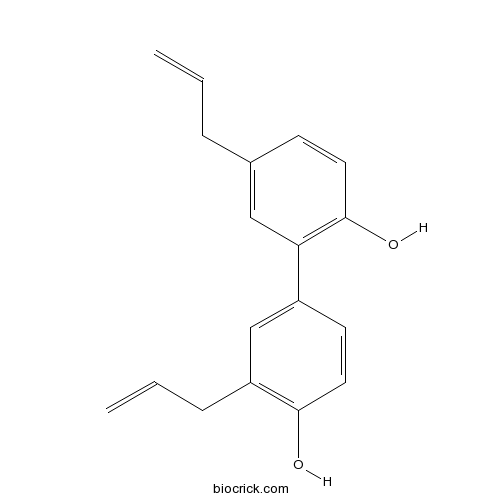
Honokiol
Honokiol is a bioactive, biphenolic phytochemical that possesses potent antioxidative, anti-inflammatory, antiangiogenic, and anticancer activities by targeting a variety of signaling molecules. It inhibits the activation of Akt and enhances the phosphorylation of ERK1/ERK2. Honokiol can readily cross the blood brain barrier.
-
BCC4913
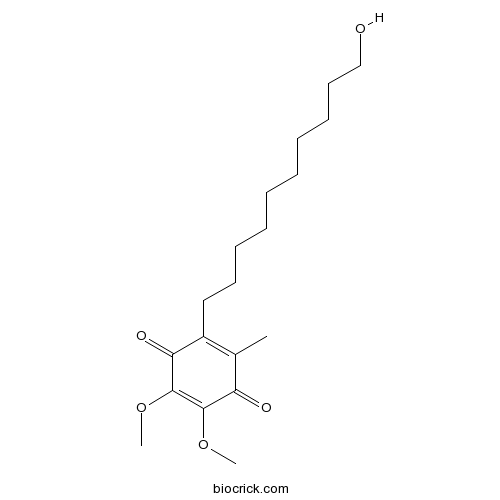
Idebenone
Idebenone is a synthetic variant of coenzyme Q10 (CoQ10), which initially developed for the treatment of Alzheimer's disease and other cognitive defects.