Arrhythmia Research
An arrhythmia (also known as cardiac dysrhythmia) is defined as an irregular heartbeat, and results from abnormal electrical activity in the heart. There are various different types of arrhythmia, often resulting in a heartbeat that is too fast (tachycardia) or too slow (bradycardia). Atrial and ventricular fibrillation, which are the most common cardiac arrhythmias, account for 10-20% of all deaths among adults in the Western world. The incidence of atrial fibrillation increases with age; it not only affects cardiac function, but also increases the risk of stroke and may worsen heart failure.
Arrhythmia Research Products Targets
- Voltage-gated Sodium (NaV) Channel (30)
- Voltage-gated Potassium (KV) Channel (38)
- Voltage-gated Calcium Channel (CaV) (38)
- Epithelial Sodium Channel (3)
- STIM-Orai Channel (4)
- Ryanodine Receptor (6)
- IP3 Receptor (2)
- Acid-Sensing Ion Channel (3)
- Calcium-Activated Potassium (KCa) Channel (19)
- Inward Rectifier Potassium (Kir) Channel (21)
- HCN Channel (4)
- Adrenergic β3 Receptor (12)
- Adrenergic β2 Receptor (6)
- Adrenergic β1 Receptor (7)
Products for Arrhythmia Research - Page 16
- Cat.No. Product Name Information/Activity
-
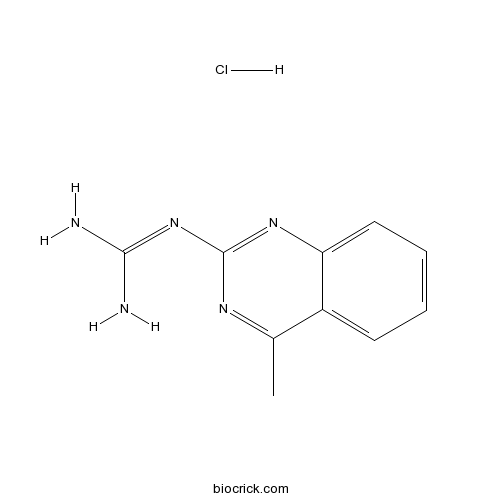
BCC6351
GMQ hydrochloride
5361-15-9
-
BCC6054
Neuropeptide SF (mouse, rat)
230960-31-3

-
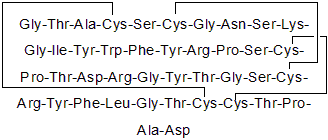
BCC6294
APETx2
713544-47-9
-
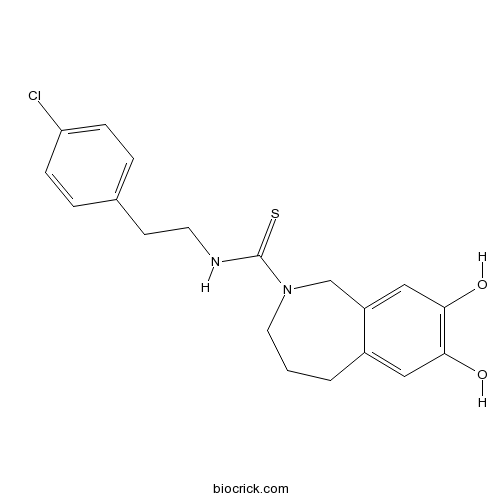
BCC1451
Capsazepine
Capsazepine is a synthetic analogue of the sensory neurone excitotoxin, and an antagonist of TRPV1 receptor with an IC50 of 562 nM.
-
BCC7674
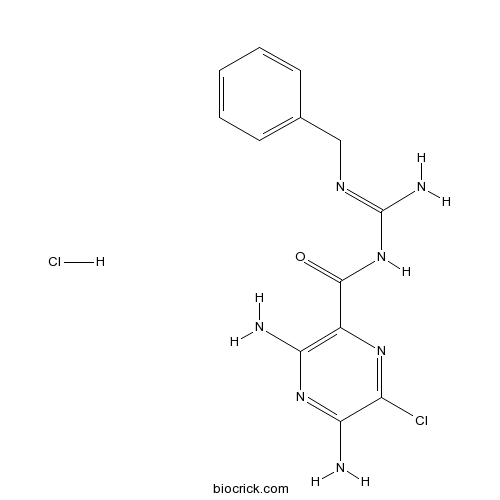
Benzamil
Benzamil hydrochloride (Benzylamiloride hydrochloride), an Amiloride analogue, is a Na+/Ca2+ exchanger (NCX) inhibitor (IC50~100 nM). Benzamil hydrochloride also is a non-selective Deg/epithelial sodium channels (ENaC) blocker, and can potentiate myogenic vasoconstriction. Benzamil hydrochloride inhibits TRPP3-mediated Ca2+-activated currents, with an IC50 of 1.1 μM.
-
BCC7673
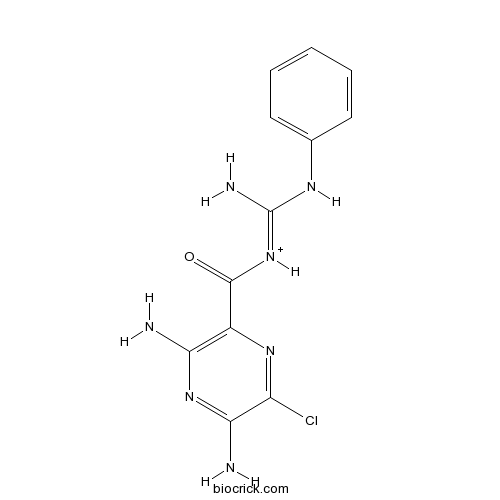
Phenamil
1161-94-0
-
BCC7515
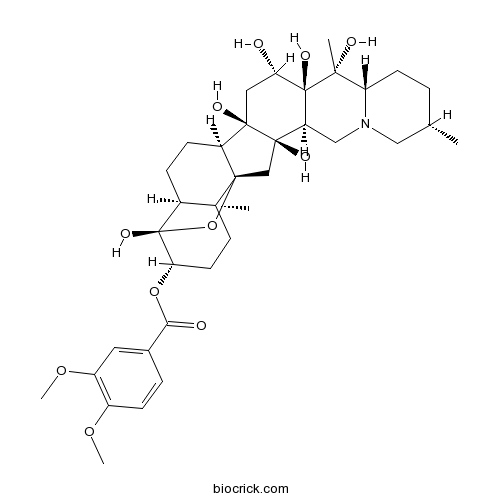
Veratridine
Veratridine (3-Veratroylveracevine), a alkaloid derived from plants in the family Liliaceae, is a sodium channel agonist. Veratridine inhibits the peak current of Nav1.7, with an IC50 of 18.39 µM.
-
BCC5075
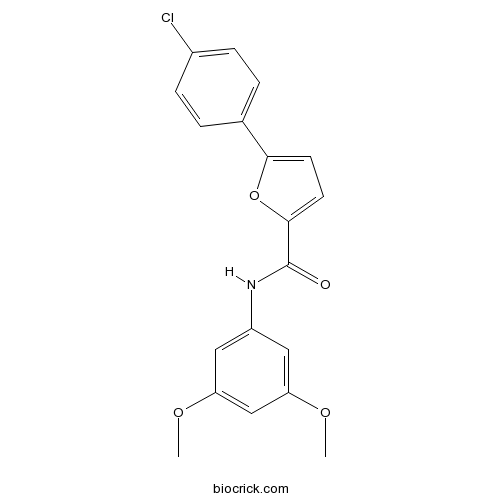
A-803467
A 803467 is a selective Nav1.8 sodium channel blocker with an IC50 of 8 nM; over 100-fold more selective vs. human Nav1.2, 1.3, 1.5 and 1.7.
-
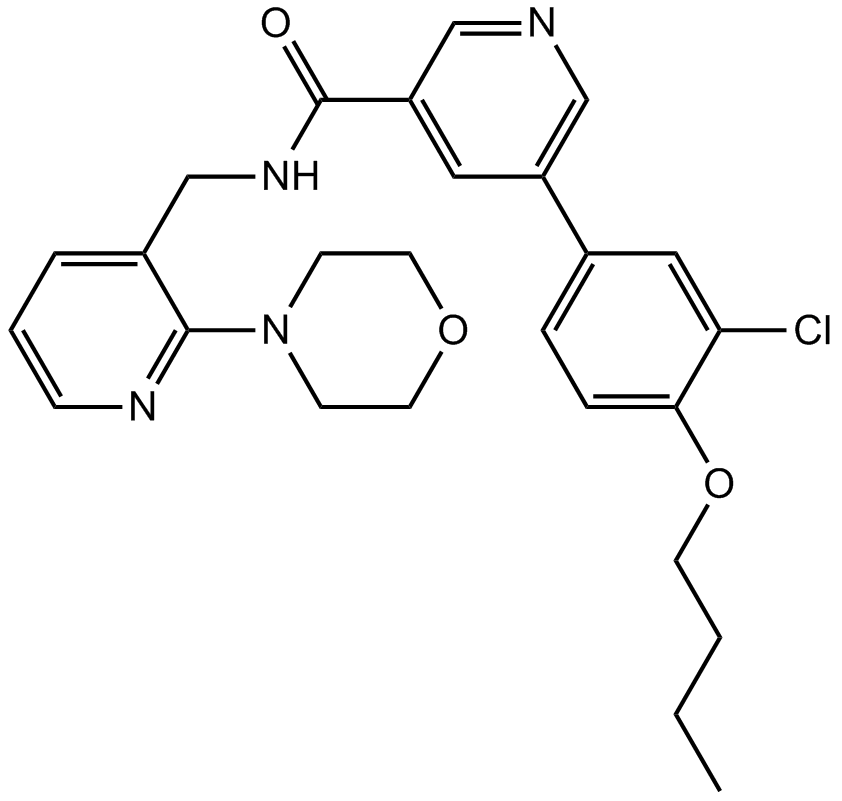
BCC7898
A 887826
A-887826 is a potent, selective, oral bioavailable and voltage-dependent Na(v)1.8 sodium channel blocker with an IC50 of 11 nM . A-887826 attenuates neuropathic tactile allodynia in vivo.
-
BCC5067
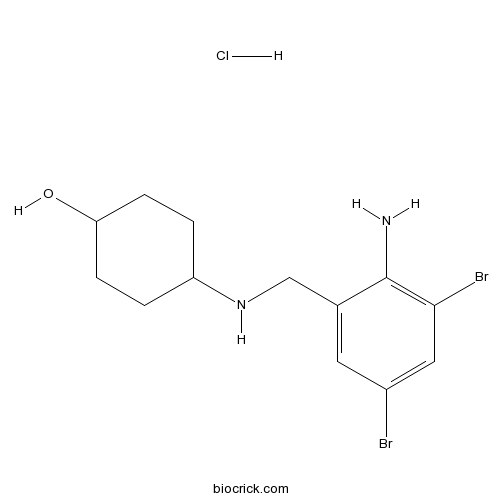
Ambroxol HCl
Na<sup>+</sup> channel blocker,AmbroxolHCl is a potent inhibitor of the neuronal Na+ channels, inhibits TTX-resistant Na+ currents with IC50 of 35.2 μM and 22.5 μM for tonic and phasic block, inhibits TTX-sensitive Na+ currents with IC50 of 100 μM. Phase 3.