Arrhythmia Research
An arrhythmia (also known as cardiac dysrhythmia) is defined as an irregular heartbeat, and results from abnormal electrical activity in the heart. There are various different types of arrhythmia, often resulting in a heartbeat that is too fast (tachycardia) or too slow (bradycardia). Atrial and ventricular fibrillation, which are the most common cardiac arrhythmias, account for 10-20% of all deaths among adults in the Western world. The incidence of atrial fibrillation increases with age; it not only affects cardiac function, but also increases the risk of stroke and may worsen heart failure.
Arrhythmia Research Products Targets
- Voltage-gated Sodium (NaV) Channel (30)
- Voltage-gated Potassium (KV) Channel (38)
- Voltage-gated Calcium Channel (CaV) (38)
- Epithelial Sodium Channel (3)
- STIM-Orai Channel (4)
- Ryanodine Receptor (6)
- IP3 Receptor (2)
- Acid-Sensing Ion Channel (3)
- Calcium-Activated Potassium (KCa) Channel (19)
- Inward Rectifier Potassium (Kir) Channel (21)
- HCN Channel (4)
- Adrenergic β3 Receptor (12)
- Adrenergic β2 Receptor (6)
- Adrenergic β1 Receptor (7)
Products for Arrhythmia Research - Page 11
- Cat.No. Product Name Information/Activity
-
BCC5004
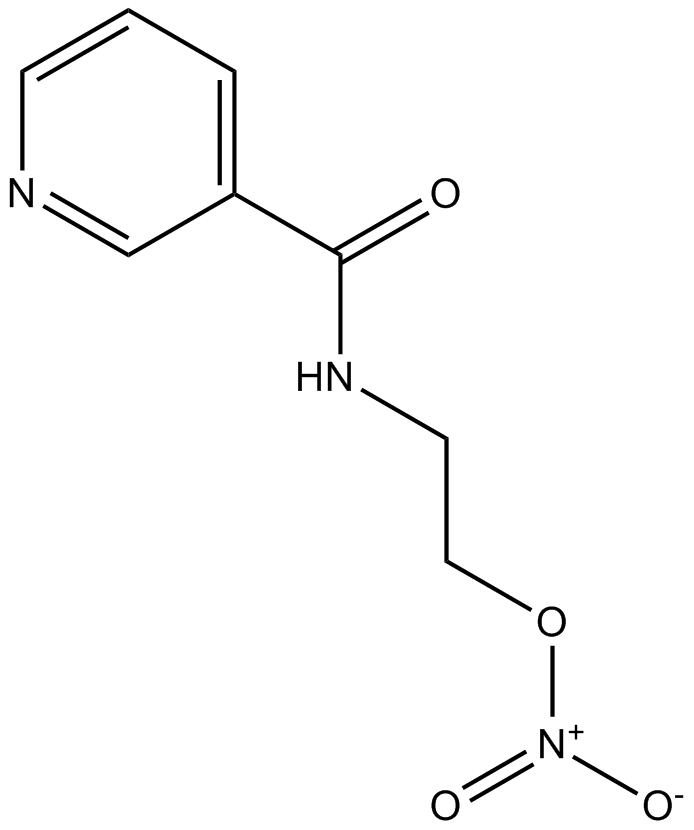
Nicorandil
Nicorandil (SG-75) is potassium channel activator.
-
BCC7027
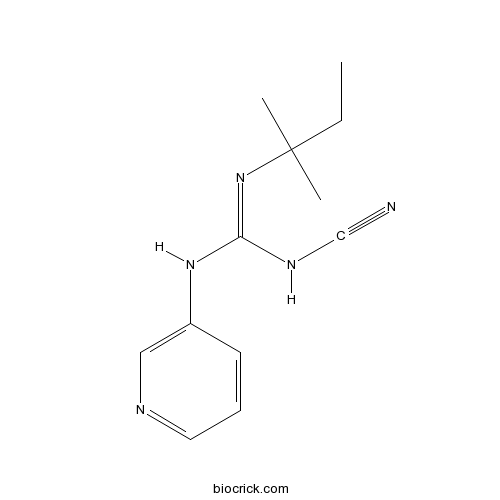
P1075
P-1075 is a potent activator of sulfonylurea receptor 2-associated ATP-sensitive potassium channels (SUR2-KIR6), with an EC50 value of 45 nM for SUR2B-KIR6 channel activation. P-1075 also P1075 opens mitochondrial K(ATP) channels and generates reactive oxygen species resulting in cardioprotection of rabbit hearts.
-
BCC7419
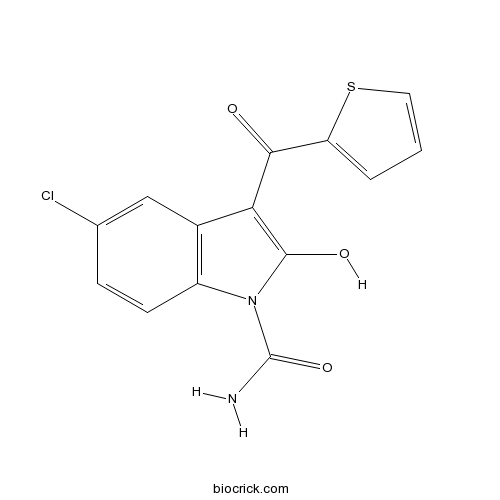
Tenidap
Tenidap, a non-steroidal anti-inflammatory drug, is a selective COX-1 inhibitor, with IC50 values of 0.03 µM and 1.2 µM for COX-1 and COX-2, respectively. Tenidap has anti-inflammatory and antirheumatic properties. Tenidap is also a specific SLC26A3 inhibitor.
-
BCC7253
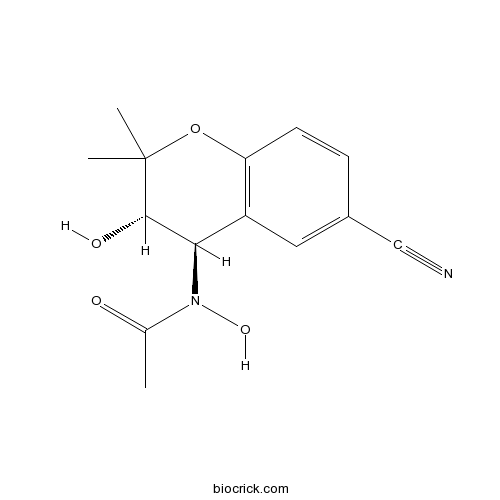
Y-26763
Y-26763 is a K+ channel opener and active metabolite of Y-27152. Y-26763 is an ATP-sensitive K+ (KATP) channel activator.
-
BCC7254
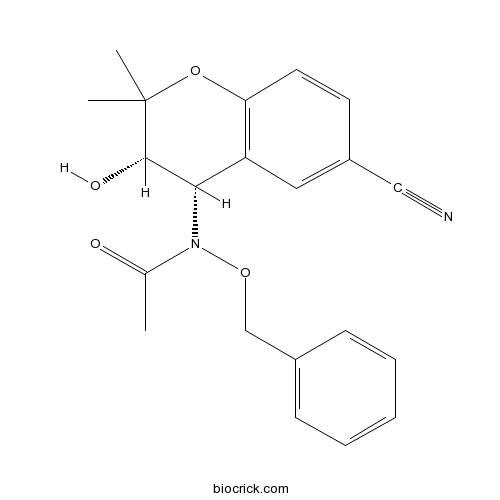
Y-27152
Y-27152, a prodrug of the KATP (Kir6) channel opener Y-26763, is a long-acting K+ channel opener with less tachycardia: antihypertensive effects in hypertensive rats and dogs in conscious state.
-
BCC6831
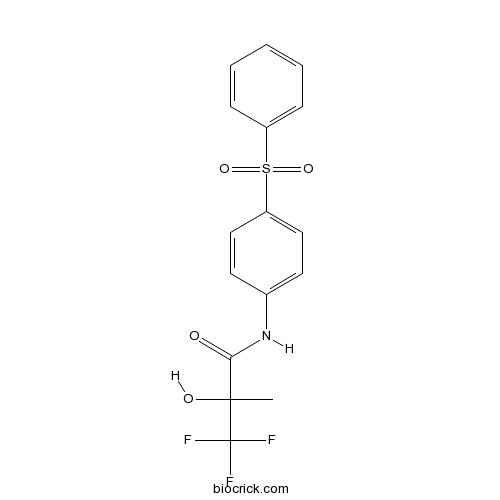
ZM 226600
147695-92-9
-
BCN2318
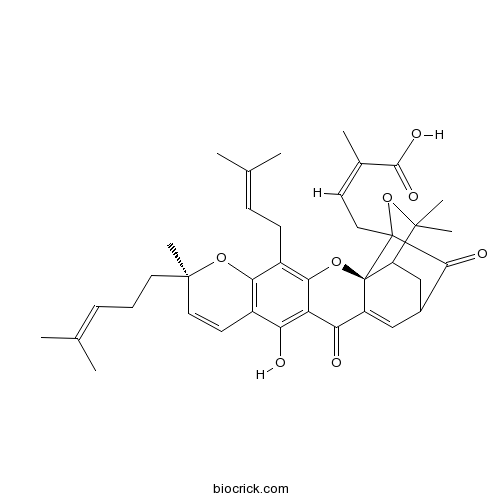
Gambogic acid
Gambogic Acid (Beta-Guttiferrin) is derived from the gamboges resin of the tree Garcinia hanburyi. Gambogic Acid (Beta-Guttiferrin) inhibits Bcl-XL, Bcl-2, Bcl-W, Bcl-B, Bfl-1 and Mcl-1 with IC50s of 1.47 μM, 1.21 μM, 2.02 μM, 0.66 μM, 1.06 μM and 0.79 μM.
-
BCC4784
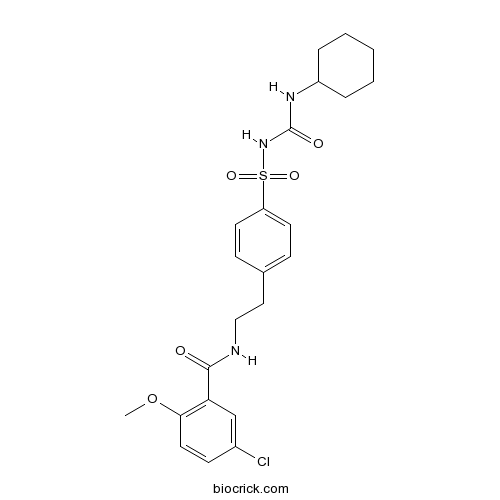
Glyburide
Glibenclamide is a selective inhibitor of ATP-sensitive K+ channel.
-
BCC2109
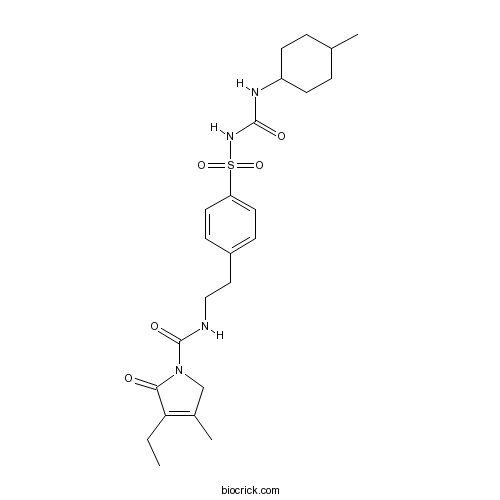
Glimepiride
Glimepiride (Glimperide) is a medium-to-long acting sulfonylurea anti-diabetic compound with an ED50 of 182 μg/kg.
-
BCC5006
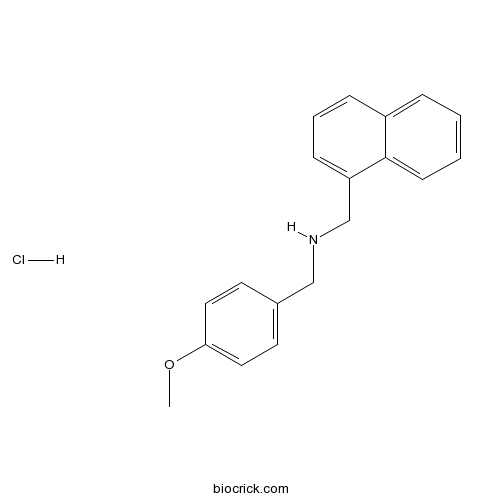
ML133 HCl
ML133 hydrochloride is a selective Kir2 family channels inhibitor, with an IC50 of 1.8 μM at pH 7.4 and 290 nM at pH 8.5.