Parkinson's Disease Research
Parkinson's disease (PD) is a degenerative disease of the central nervous system that often impairs motor skills, speech, and other functions. Symptoms of the disease include resting tremor, bradykinesia and rigidity. The primary symptoms are the result of decreased stimulation of the motor cortex by the basal ganglia, normally caused by the insufficient formation and action of dopamine, which is produced in the dopaminergic neurons of the brain. Symptoms of the disease appear once 50-80% of dopamine neurons have died. Parkinson's disease is both chronic and progressive.
Parkinson's Disease Research Products Targets
- Adenosine A2B Receptor (7)
- Adenosine A2A Receptor (11)
- Caspase (9)
- Bcl-2 Family (13)
- Voltage-gated Calcium Channel (CaV) (38)
- GABAB Receptor (28)
- Others (23)
- Cyclooxygenase (24)
- D4 Receptor (12)
- STIM-Orai Channel (4)
- Ryanodine Receptor (6)
- Hsp90 (10)
- Hsp70 (4)
- 5-HT7 Receptor (11)
- 5-HT6 Receptor (14)
- 5-ht5 Receptor (2)
- 5-HT4 Receptor (17)
- Glutamate (Metabotropic) Group III Receptor (26)
- Glutamate (Metabotropic) Group II Receptor (33)
- Glutamate (Metabotropic) Group I Receptor (54)
- AMPA Receptor (45)
- GABAA-ρ Receptor (8)
- GABAA Receptor (66)
- Nicotinic (α7) Receptor (25)
- Nicotinic (α4β2) Receptor (14)
- D3 Receptor (12)
- LRRK2 (4)
- Catechol O-Methyltransferase (3)
- Vesicular Monoamine Transporter (4)
- NMDA Receptor (87)
- Kainate Receptor (22)
- IP3 Receptor (2)
- D2 Receptor (14)
- D1 and D5 Receptor (16)
- Trk Receptor (13)
- Trace Amine 1 Receptor (2)
- Adenosine A3 Receptor (8)
- Adenosine A1 Receptor (12)
- Monoamine Oxidase (10)
- M5 Receptor (2)
- M4 Receptor (3)
- M3 Receptor (4)
- M2 Receptor (5)
- M1 Receptor (8)
- Adrenergic α2 Receptor (33)
- Adrenergic α1 Receptor (22)
- Adrenergic β3 Receptor (12)
- Adrenergic β2 Receptor (6)
- Adrenergic β1 Receptor (7)
- Protein Arginine Methyltransferase (2)
Products for Parkinson's Disease Research - Page 63
- Cat.No. Product Name Information/Activity
-
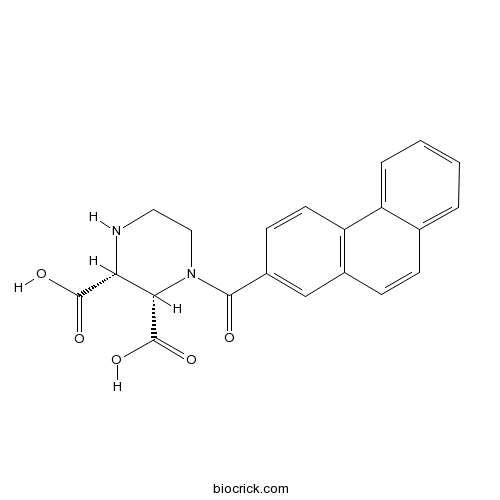
BCC5918
PPDA
684283-16-7
-
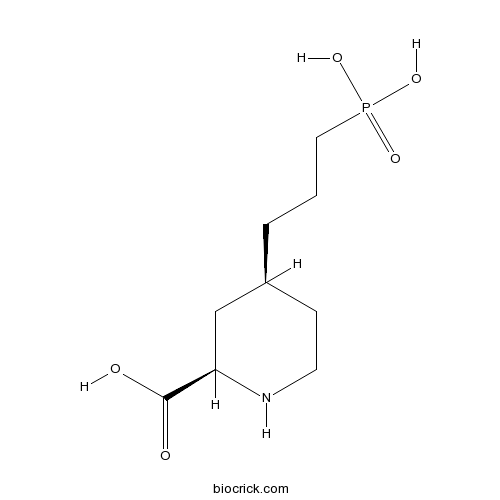
BCC7309
PPPA
113190-92-4
-
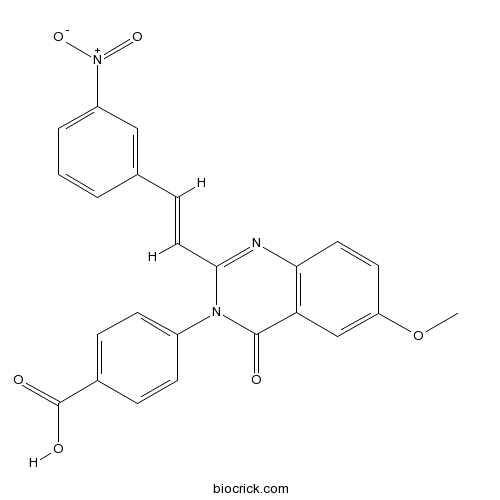
BCC6292
QNZ 46
QNZ46 is a NR2C/NR2D-selective NMDA receptor non-competitive antagonist (IC50 values are 3, 6, 229, and >300, >300 μM for NR2D, NR2C, NR2A, NR2B, and GluR1, respectively).
-
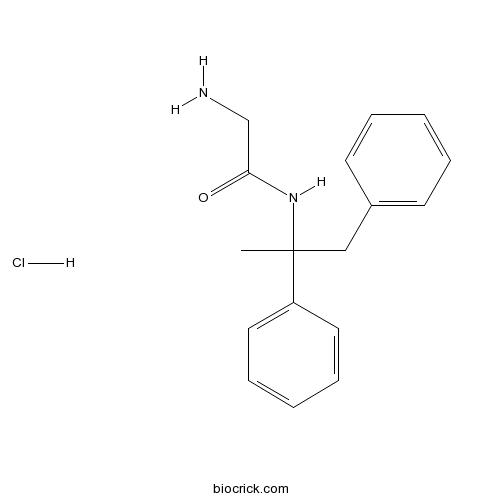
BCC7129
Remacemide hydrochloride
111686-79-4
-
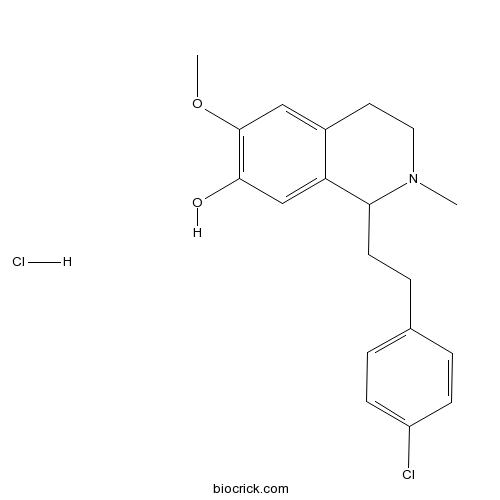
BCC7234
Ro 04-5595 hydrochloride
64047-73-0
-
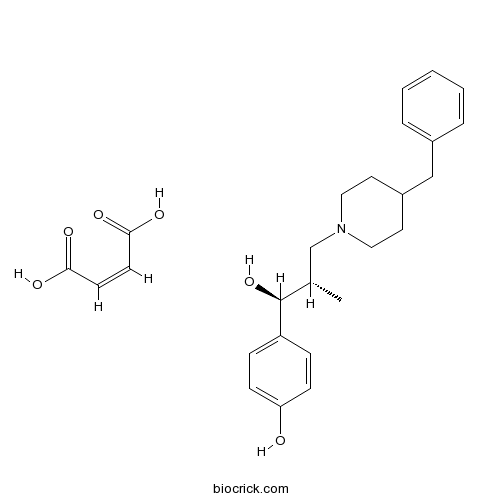
BCC4159
Ro 25-6981 Maleate
Ro 25-6981 Maleate is a potent and selective activity-dependent blocker of NMDA receptors containing the NR2B subunit.
-
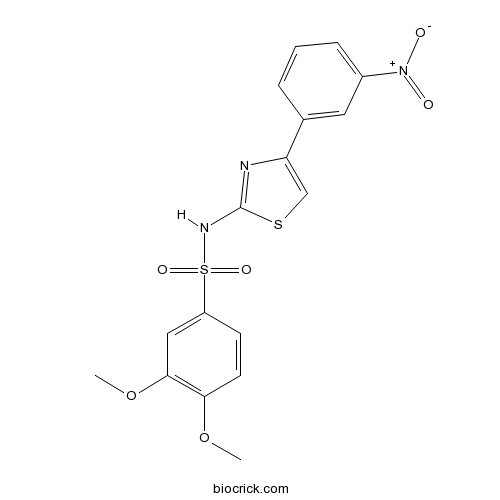
BCC7619
Ro 61-8048
Ro 61-8048 is a potent and selective inhibitors of kynurenine hydroxylase with IC50 of 37 nM.
-
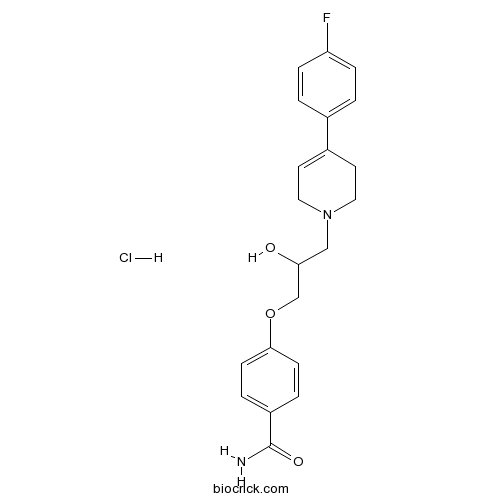
BCC7655
Ro 8-4304 hydrochloride
1312991-77-7
-
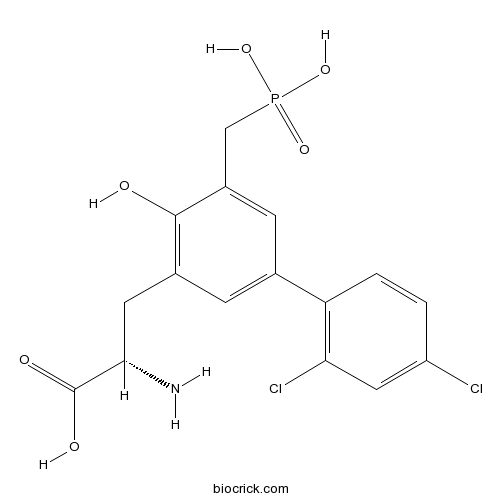
BCC6992
SDZ 220-040
174575-40-7
-
BCC1939
SDZ 220-581
SDZ 220-581 is an orally active, potent, competitive NMDA receptor antagonist with pKi value of 7.7.