Parkinson's Disease Research
Parkinson's disease (PD) is a degenerative disease of the central nervous system that often impairs motor skills, speech, and other functions. Symptoms of the disease include resting tremor, bradykinesia and rigidity. The primary symptoms are the result of decreased stimulation of the motor cortex by the basal ganglia, normally caused by the insufficient formation and action of dopamine, which is produced in the dopaminergic neurons of the brain. Symptoms of the disease appear once 50-80% of dopamine neurons have died. Parkinson's disease is both chronic and progressive.
Parkinson's Disease Research Products Targets
- Adenosine A2B Receptor (7)
- Adenosine A2A Receptor (11)
- Caspase (9)
- Bcl-2 Family (13)
- Voltage-gated Calcium Channel (CaV) (38)
- GABAB Receptor (28)
- Others (23)
- Cyclooxygenase (24)
- D4 Receptor (12)
- STIM-Orai Channel (4)
- Ryanodine Receptor (6)
- Hsp90 (10)
- Hsp70 (4)
- 5-HT7 Receptor (11)
- 5-HT6 Receptor (14)
- 5-ht5 Receptor (2)
- 5-HT4 Receptor (17)
- Glutamate (Metabotropic) Group III Receptor (26)
- Glutamate (Metabotropic) Group II Receptor (33)
- Glutamate (Metabotropic) Group I Receptor (54)
- AMPA Receptor (45)
- GABAA-ρ Receptor (8)
- GABAA Receptor (66)
- Nicotinic (α7) Receptor (25)
- Nicotinic (α4β2) Receptor (14)
- D3 Receptor (12)
- LRRK2 (4)
- Catechol O-Methyltransferase (3)
- Vesicular Monoamine Transporter (4)
- NMDA Receptor (87)
- Kainate Receptor (22)
- IP3 Receptor (2)
- D2 Receptor (14)
- D1 and D5 Receptor (16)
- Trk Receptor (13)
- Trace Amine 1 Receptor (2)
- Adenosine A3 Receptor (8)
- Adenosine A1 Receptor (12)
- Monoamine Oxidase (10)
- M5 Receptor (2)
- M4 Receptor (3)
- M3 Receptor (4)
- M2 Receptor (5)
- M1 Receptor (8)
- Adrenergic α2 Receptor (33)
- Adrenergic α1 Receptor (22)
- Adrenergic β3 Receptor (12)
- Adrenergic β2 Receptor (6)
- Adrenergic β1 Receptor (7)
- Protein Arginine Methyltransferase (2)
Products for Parkinson's Disease Research - Page 72
- Cat.No. Product Name Information/Activity
-
BCC7985
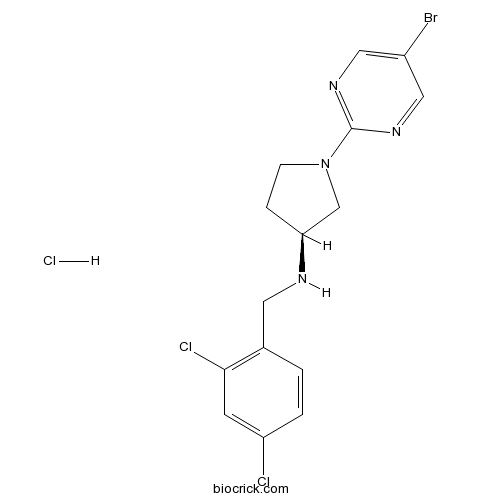
LY 2389575 hydrochloride
885104-09-6
-
BCC7627
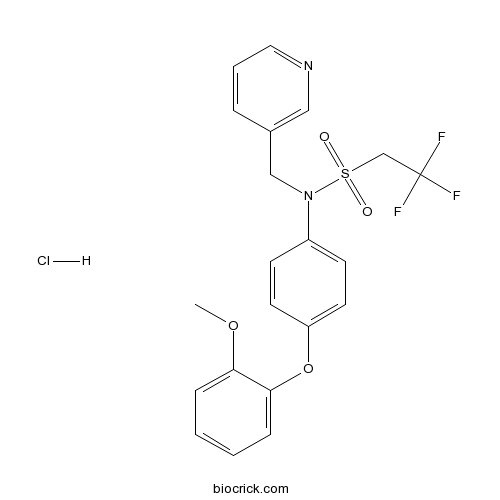
LY 487379 hydrochloride
353229-59-1
-
BCC6343
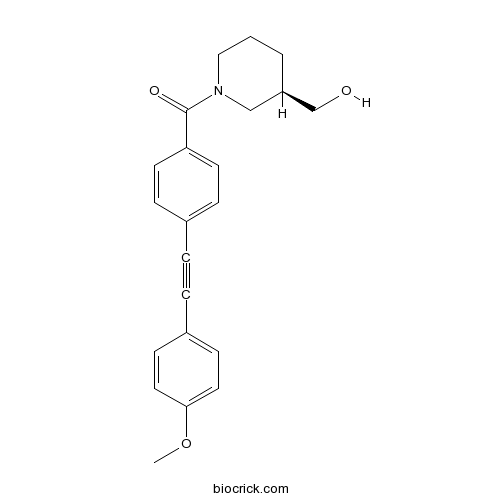
ML 289
1382481-79-9
-
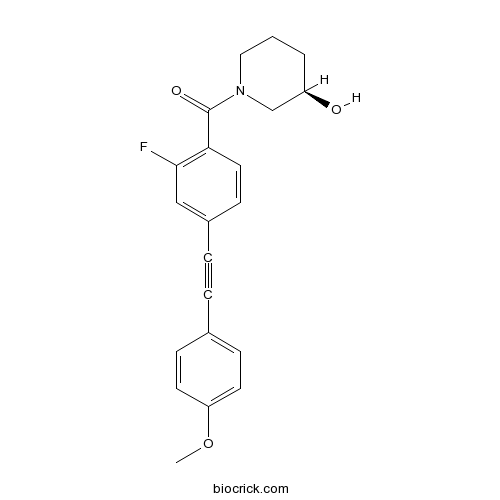
BCC6345
ML 337
1443118-44-2
-
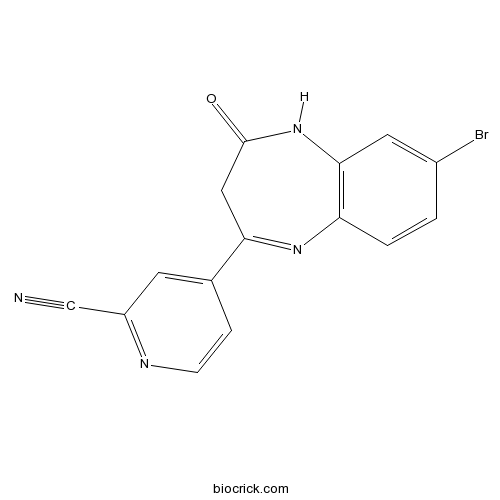
BCC6156
MNI 137
946619-21-2
-
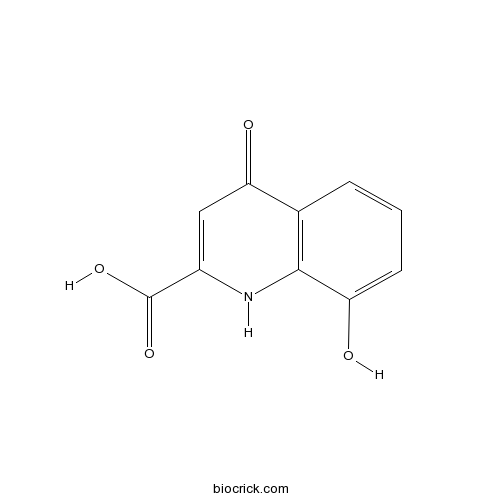
BCC7866
Xanthurenic acid
Xanthurenic acid is a putative endogenous Group II metabotropic glutamate receptor agonist, on sensory transmission in the thalamus.
-
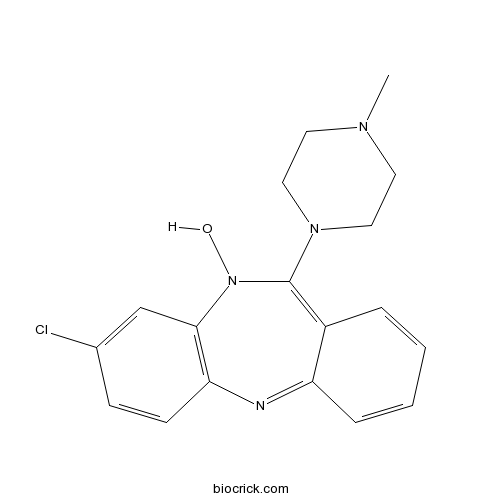
BCC1487
Clozapine N-oxide (CNO)
Activator of muscarinic DREAADs,Clozapine N-oxide is a pharmacologically inert metabolite of Clozapine, which is a potent <b>5-HT1C</b> receptor antagonist.
-
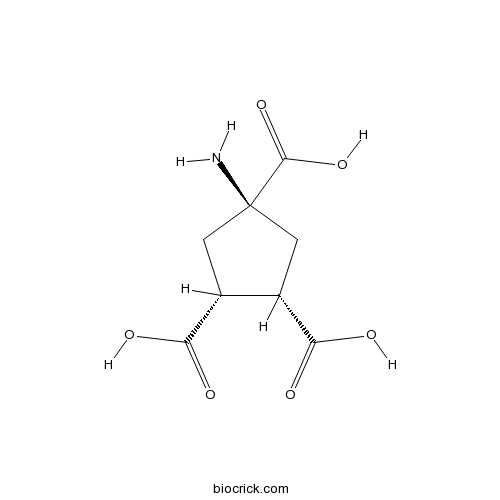
BCC5702
ACPT-I
194918-76-8
-
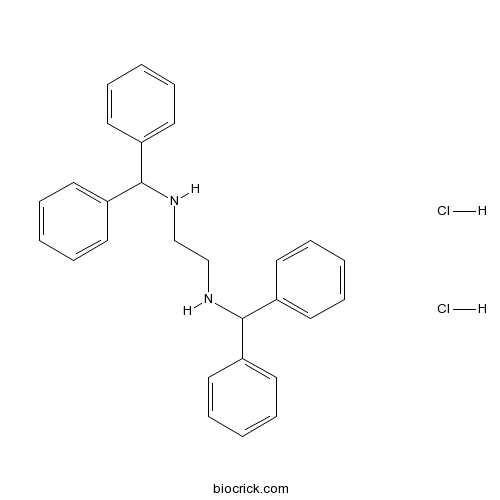
BCC7344
AMN 082 dihydrochloride
The first selective mGlu<sub>7</sub> agonist
-
BCC6550
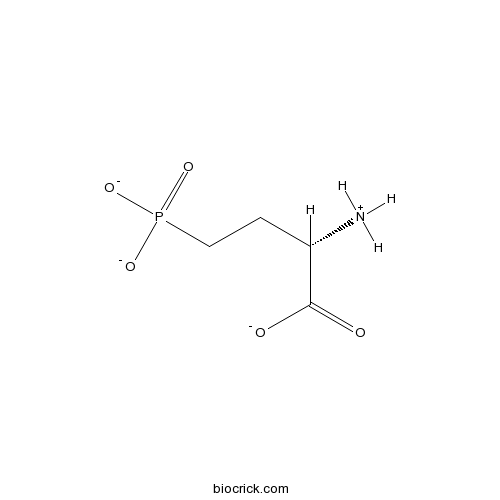
L-AP4
L-APB is a potent and specific agonist for the group III mGluRs, with EC50s of 0.13, 0.29, 1.0, 249 μM for mGlu4, mGlu8, mGlu6 and mGlu7 receptors, respectively.