Addiction Research
According to the World Health Organization (WHO), addiction is 'a chronic disease of the central nervous system that is characterized by a loss of control over impulsive behavior that leads to compulsive drug seeking and taking, and to relapses even after months of abstinence'. Addiction is a complex neuroadaptive process, where drugs of abuse alter cellular and molecular aspects of neural function. The brain circuits mediating the various behavioral effects of these drugs are rendered more, or less, responsive to those effects.
Addiction Research Products Targets
- Others (13)
- D4 Receptor (12)
- 5-HT7 Receptor (11)
- 5-HT6 Receptor (14)
- 5-ht5 Receptor (2)
- 5-HT4 Receptor (17)
- NOP Receptor (21)
- Mu-Opioid Receptors (15)
- Kappa Opioid Receptors (14)
- AMPA Receptor (45)
- GABAA-ρ Receptor (8)
- GABAA Receptor (66)
- GPR55 (8)
- CB2 Receptor (6)
- CB1 Receptor (17)
- Nicotinic (α7) Receptor (25)
- Nicotinic (α4β2) Receptor (14)
- D3 Receptor (12)
- NMDA Receptor (87)
- Kainate Receptor (22)
- D2 Receptor (14)
- D1 and D5 Receptor (16)
- Glutamate Transporter (18)
- Dopamine Transporter (20)
- CRF2 Receptor (3)
- CRF1 Receptor (5)
- 5-HT Transporter (30)
- Delta opioid receptor (16)
Products for Addiction Research - Page 31
- Cat.No. Product Name Information/Activity
-
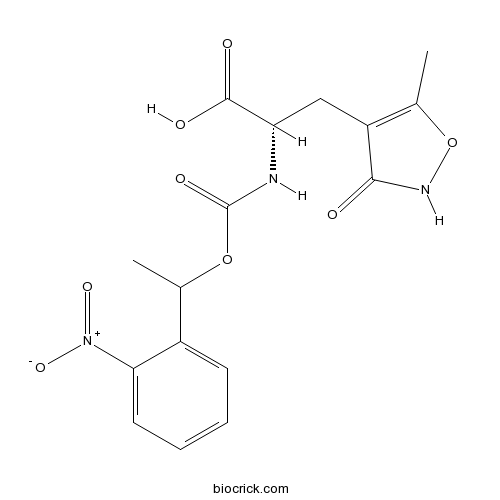
BCC7789
NPEC-caged-(S)-AMPA
1257323-84-4
-
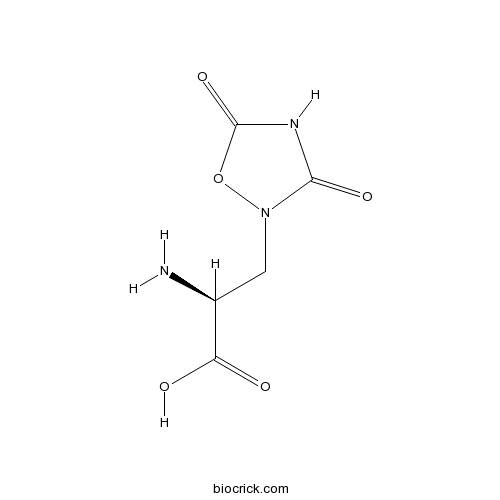
BCC6568
L-Quisqualic acid
52809-07-1
-
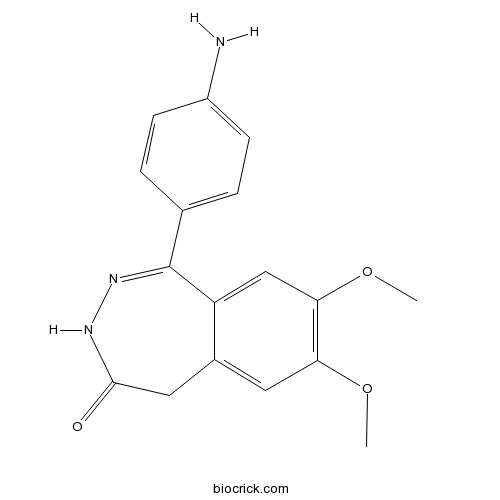
BCC6931
CFM-2
CFM-2 is a selective non-competitive AMPAR antagonist.
-
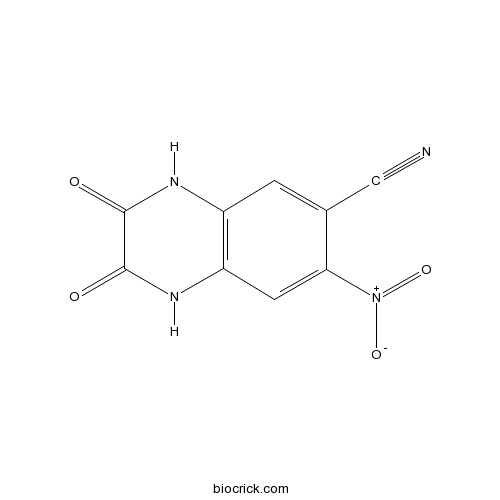
BCC6569
CNQX
CNQX (FG9065) is a potent AMPA/kainate receptor antagonist.
-
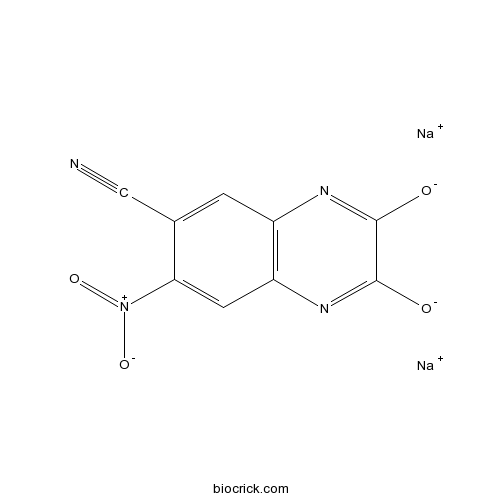
BCC6908
CNQX disodium salt
479347-85-8
-
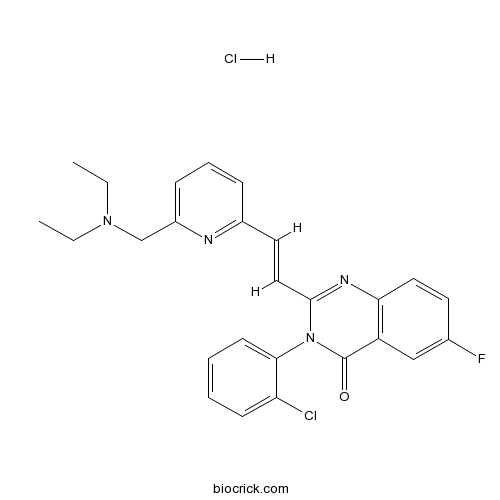
BCC7520
CP 465022 hydrochloride
199655-36-2
-
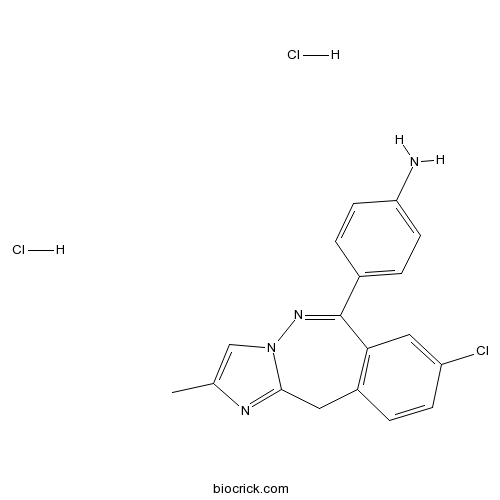
BCC7566
GYKI 47261 dihydrochloride
1217049-32-5
-
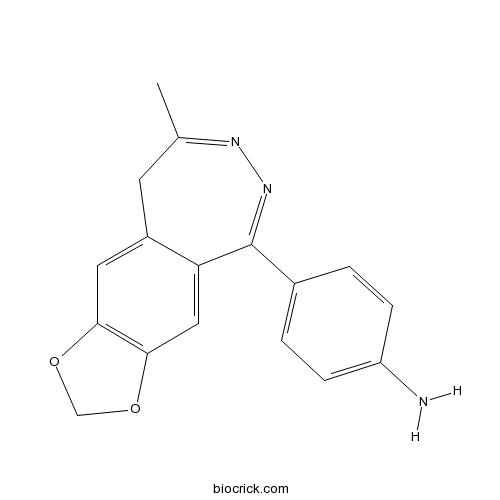
BCC7072
GYKI 52466 dihydrochloride
102771-26-6
-
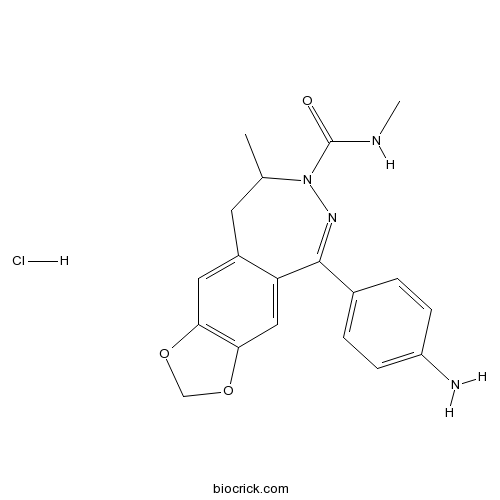
BCC7407
GYKI 53655 hydrochloride
GYKI53655 hydrochloride is an α-amino-3-hydroxy-5-methylisoxazole-4-propionic acid (AMPA) antagonist.
-
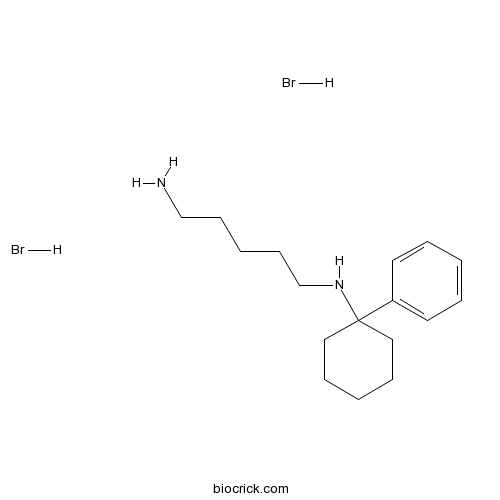
BCC7885
IEM 1925 dihydrobromide
258282-23-4