Addiction Research
According to the World Health Organization (WHO), addiction is 'a chronic disease of the central nervous system that is characterized by a loss of control over impulsive behavior that leads to compulsive drug seeking and taking, and to relapses even after months of abstinence'. Addiction is a complex neuroadaptive process, where drugs of abuse alter cellular and molecular aspects of neural function. The brain circuits mediating the various behavioral effects of these drugs are rendered more, or less, responsive to those effects.
Addiction Research Products Targets
- Others (13)
- D4 Receptor (12)
- 5-HT7 Receptor (11)
- 5-HT6 Receptor (14)
- 5-ht5 Receptor (2)
- 5-HT4 Receptor (17)
- NOP Receptor (21)
- Mu-Opioid Receptors (15)
- Kappa Opioid Receptors (14)
- AMPA Receptor (45)
- GABAA-ρ Receptor (8)
- GABAA Receptor (66)
- GPR55 (8)
- CB2 Receptor (6)
- CB1 Receptor (17)
- Nicotinic (α7) Receptor (25)
- Nicotinic (α4β2) Receptor (14)
- D3 Receptor (12)
- NMDA Receptor (87)
- Kainate Receptor (22)
- D2 Receptor (14)
- D1 and D5 Receptor (16)
- Glutamate Transporter (18)
- Dopamine Transporter (20)
- CRF2 Receptor (3)
- CRF1 Receptor (5)
- 5-HT Transporter (30)
- Delta opioid receptor (16)
Products for Addiction Research - Page 37
- Cat.No. Product Name Information/Activity
-
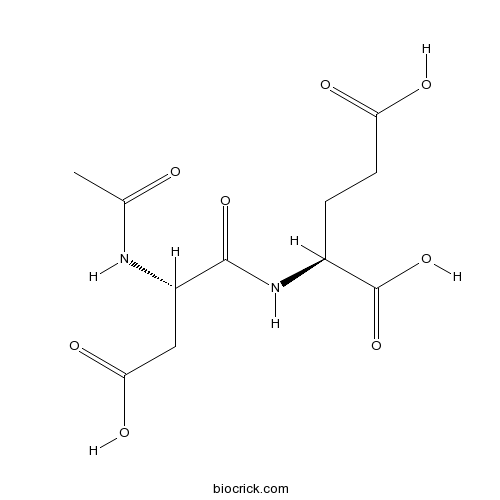
BCC6632
Spaglumic acid
Spaglumic Acid is a neuropeptide found in millimolar concentrations in brain.
-
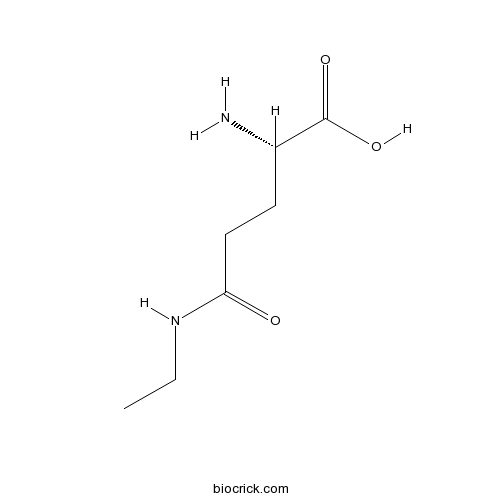
BCN2571
L-Theanine
L-Theanine (L-Glutamic Acid γ-ethyl amide)is a non-protein amino acid contained in green tea leaves, which blocks the binding of L-glutamic acid to glutamate receptors in the brain, and with neuroprotective and anti-oxidative activities. L-Theanine causes anti-stress effects via the inhibition of cortical neuron excitation by oral intake.
-
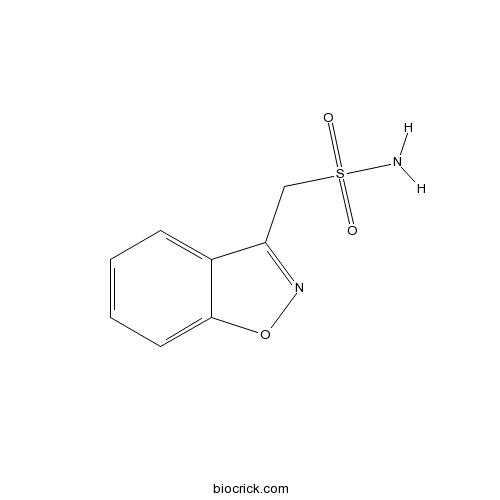
BCC2512
Zonisamide
Zonisamide is a 1,2 benzisoxazole derivative and the first agent of this chemical class to be developed as an antiepileptic drug.
-
BCC6566
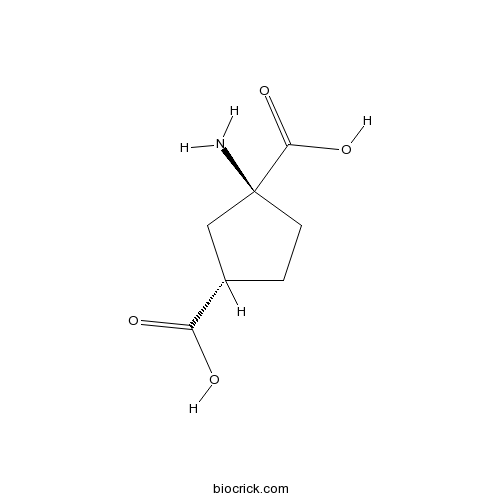
cis-ACPD
477331-06-9
-
BCC2894
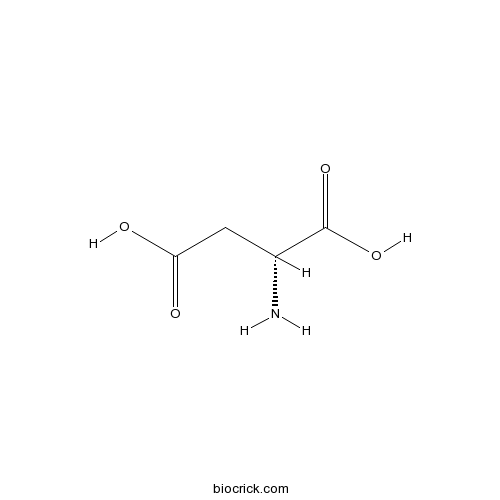
H-D-Asp-OH
(-)-Aspartic acid is an endogenous NMDA receptor agonist.
-
BCC2881
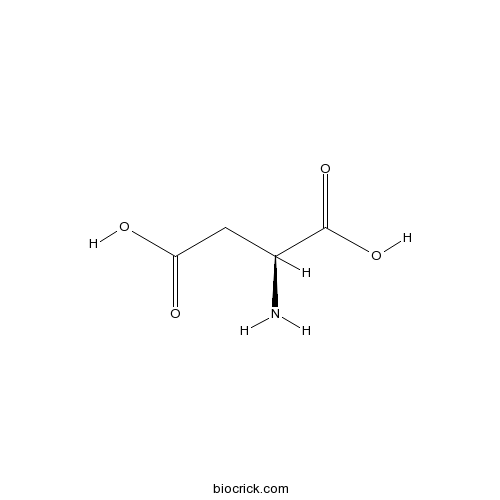
H-Asp-OH
L-Aspartic acid is is an amino acid, shown to be a suitable prodrug for colon-specific drug deliverly.
-
BCC6571
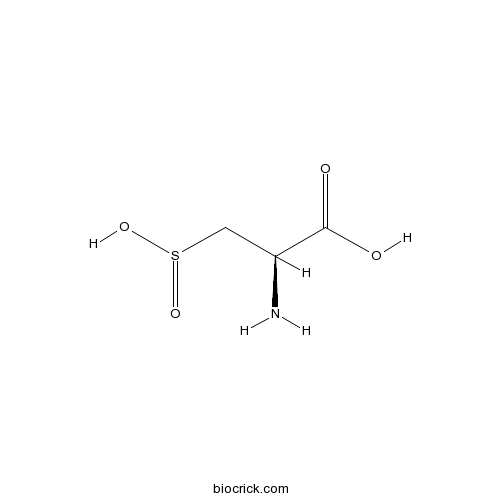
L-Cysteinesulfinic acid
L-Cysteinesulfinic acid is a potent agonist at several rat metabotropic glutamate receptors (mGluRs) with pEC50s of 3.92±0.03, 4.6±0.2, 3.9±0.2, 2.7±0.2, 4.0±0.2, and 3.94±0.08 for mGluR1, mGluR5, mGluR2, mGluR4, mGluR6, and mGluR8, respectively.
-
BCC6013
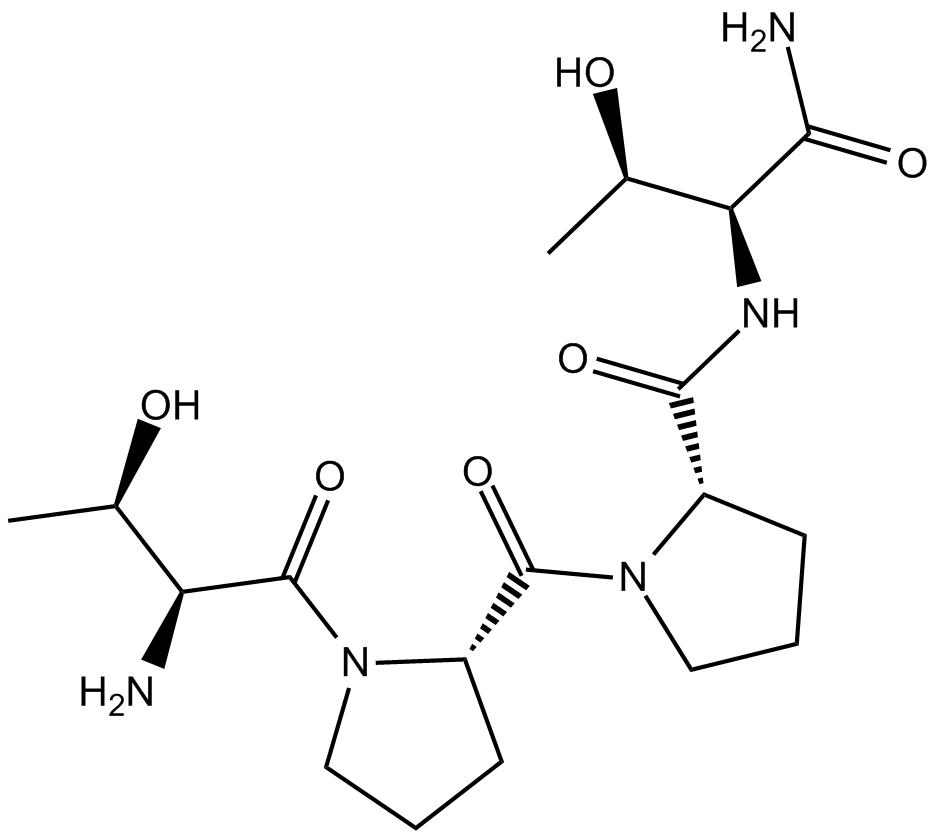
GLYX 13
Rapastinel (GLYX-13) is an N-methyl-D-aspartate receptor (NMDAR) modulator that has characteristics of a glycine site partial agonist.
-
BCC6588
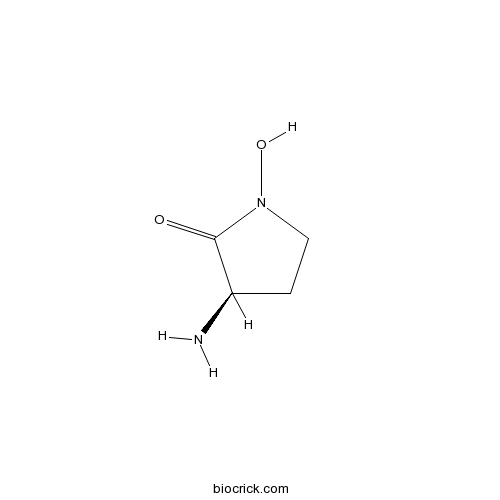
(R)-(+)-HA-966
(R)-(+)-HA-966 ((+)-HA-966) is a partial agonist/antagonist of glycine site of the N-methyl-D-aspartate (NMDA) receptor complex. (R)-(+)-HA-966 selectively blocks the activation of the mesolimbic dopamine system by amphetamine. (R)-(+)-HA-966 can cross the blood-brain barrier and has the potential for neuropathic and acute pain.
-
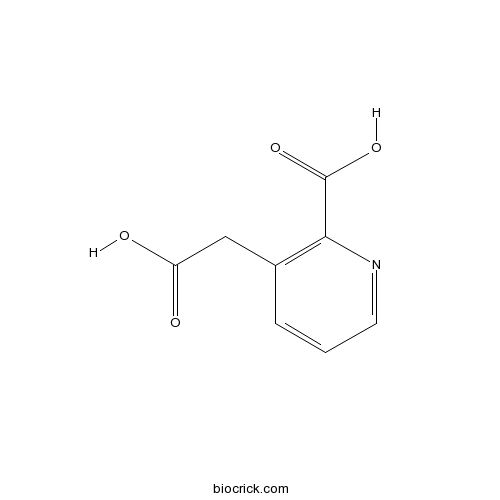
BCC6570
Homoquinolinic acid
490-75-5