
Addiction Research
According to the World Health Organization (WHO), addiction is 'a chronic disease of the central nervous system that is characterized by a loss of control over impulsive behavior that leads to compulsive drug seeking and taking, and to relapses even after months of abstinence'. Addiction is a complex neuroadaptive process, where drugs of abuse alter cellular and molecular aspects of neural function. The brain circuits mediating the various behavioral effects of these drugs are rendered more, or less, responsive to those effects.
Addiction Research Products Targets
- Others (13)
- D4 Receptor (12)
- 5-HT7 Receptor (11)
- 5-HT6 Receptor (14)
- 5-ht5 Receptor (2)
- 5-HT4 Receptor (17)
- NOP Receptor (21)
- Mu-Opioid Receptors (15)
- Kappa Opioid Receptors (14)
- AMPA Receptor (45)
- GABAA-ρ Receptor (8)
- GABAA Receptor (66)
- GPR55 (8)
- CB2 Receptor (6)
- CB1 Receptor (17)
- Nicotinic (α7) Receptor (25)
- Nicotinic (α4β2) Receptor (14)
- D3 Receptor (12)
- NMDA Receptor (87)
- Kainate Receptor (22)
- D2 Receptor (14)
- D1 and D5 Receptor (16)
- Glutamate Transporter (18)
- Dopamine Transporter (20)
- CRF2 Receptor (3)
- CRF1 Receptor (5)
- 5-HT Transporter (30)
- Delta opioid receptor (16)
Products for Addiction Research - Page 33
- Cat.No. Product Name Information/Activity
-
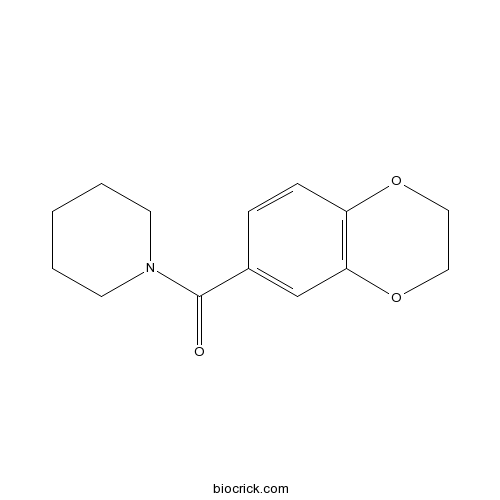
BCC7532
CX 546
CX546 is a selective positive AMPAR modulator; the prototypical ampakine agent.
-
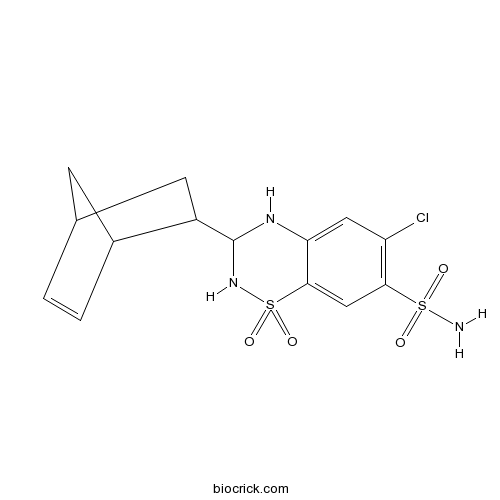
BCC6759
Cyclothiazide
2259-96-3
-
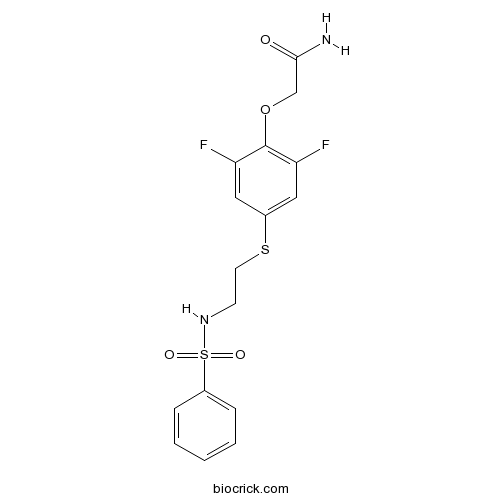
BCC5951
PEPA
PEPA is an allosteric modulator of AMPA receptors; binds to the GluA2o and GluA3o LBDs and can be utilized as an indicator of AMPA receptor heterogeneity.
-
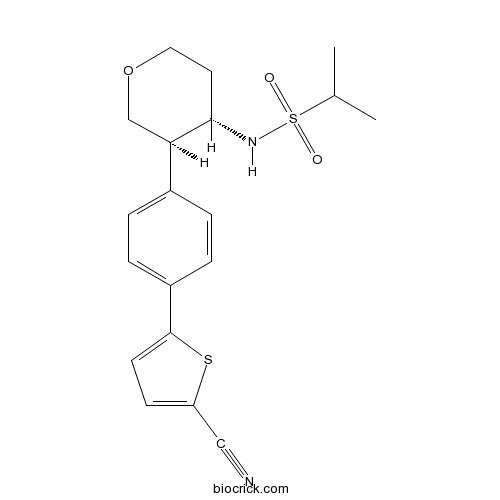
BCC6322
PF 4778574
PF-4778574 is a positive allosteric modulation of AMPA receptor with EC50 of 45 to 919 nM in differenct cells.
-
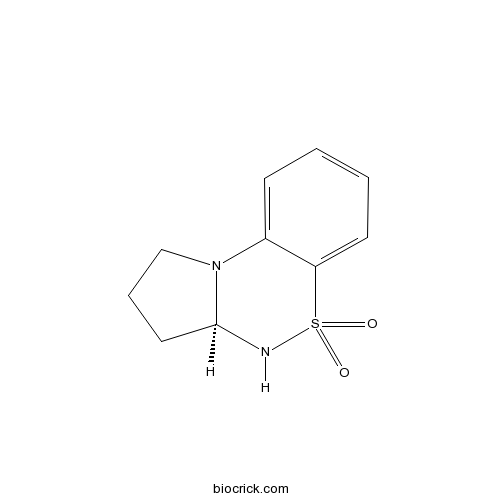
BCC6081
S 18986
S 18986 is a selective, orally active, brain penetrant positive allosteric modulator of AMPA-type receptors. S 18986 shows cognitive enhancing properties in rodents. S 18986 activates the release of noradrenaline and acetylcholine in rat hippocampus and enhances rat memory in object-recognition tests.
-
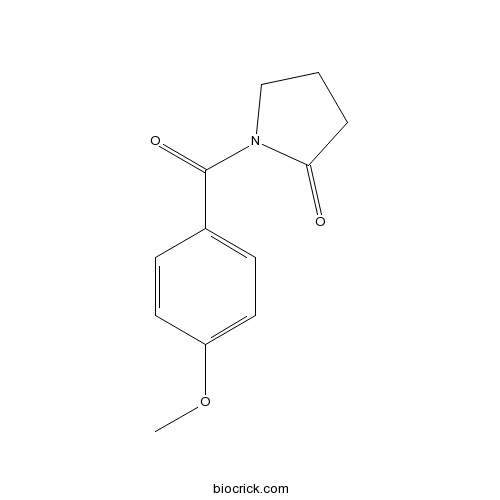
BCC4219
Aniracetam
Aniracetam(Ro 13-5057) is a nootropics and neuroprotective drug, which is selectively modulates the AMPA receptor and nAChR.
-
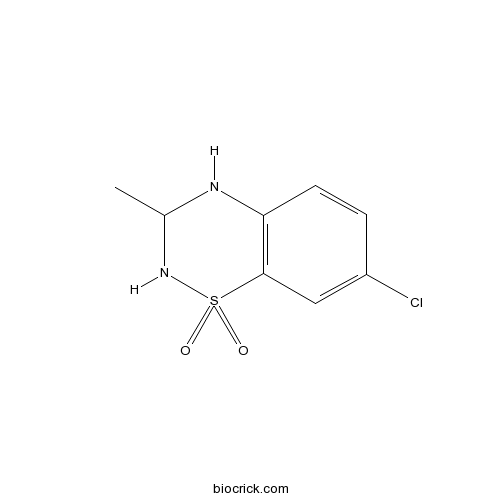
BCC6974
IDRA 21
22503-72-6
-
BCC5787
pep2-AVKI
1315378-69-8

-
BCC5786
pep2-EVKI
1315378-67-6

-
BCC5782
pep2m
243843-42-7