Schizophrenia Research
Schizophrenia is a chronic, debilitating mental disorder affecting 1-2% of the global population. Symptoms are split into two types; 'positive' symptoms, including delusions and hallucinations, and 'negative' symptoms, including anhedonia and lack of motivation. Studies suggest that genetics, early environment, neurobiology, psychological and social processes are important contributory factors; some recreational and prescription drugs appear to cause or worsen symptoms. Several neurobiological alterations in brain structure, physiology and neurochemistry have been documented, along with an ever-increasing list of susceptibility genes.
Schizophrenia Research Products Targets
- Others (13)
- Sigma2 Receptor (4)
- Sigma1 Receptor (16)
- D4 Receptor (12)
- 5-HT7 Receptor (11)
- 5-HT6 Receptor (14)
- 5-ht5 Receptor (2)
- 5-HT4 Receptor (17)
- Glutamate (Metabotropic) Group III Receptor (26)
- Glutamate (Metabotropic) Group II Receptor (33)
- Glutamate (Metabotropic) Group I Receptor (54)
- AMPA Receptor (45)
- GABAA-ρ Receptor (8)
- GABAA Receptor (66)
- GPR55 (8)
- CB2 Receptor (6)
- CB1 Receptor (17)
- Nicotinic (α7) Receptor (25)
- Nicotinic (α4β2) Receptor (14)
- D3 Receptor (12)
- NK3 Receptor (5)
- Carboxypeptidase (1)
- NMDA Receptor (87)
- Kainate Receptor (22)
- D2 Receptor (14)
- D1 and D5 Receptor (16)
- Trace Amine 1 Receptor (2)
- Glutamate Transporter (18)
- Histamine H3 Receptor (22)
- Neurotensin Receptor (7)
- Monoamine Oxidase (10)
- iNOS (11)
- M5 Receptor (2)
- M4 Receptor (3)
- M3 Receptor (4)
- M2 Receptor (5)
- M1 Receptor (8)
- Adrenergic α2 Receptor (33)
- Adrenergic α1 Receptor (22)
- Adrenergic β3 Receptor (12)
- Adrenergic β2 Receptor (6)
- Adrenergic β1 Receptor (7)
- Protein serine and threonine phosphatase (16)
- Protein Arginine Methyltransferase (2)
- Phosphodiesterase (34)
Products for Schizophrenia Research - Page 23
- Cat.No. Product Name Information/Activity
-
BCC1324
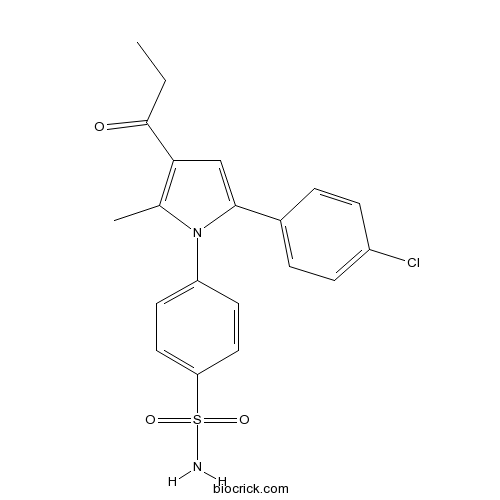
A-867744
A-867744 is a highly potent and selective type II positive allosteric modulator (PAM) of the alpha7 nicotinic acetylcholine receptors (nAChR) with an EC50 of 1.0 μM.
-
BCC7788
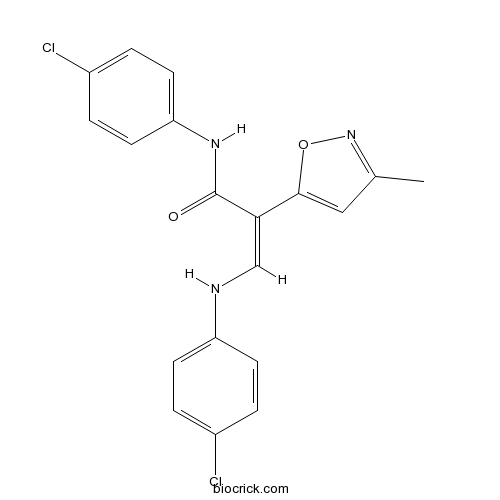
CCMI
CCMI is a potent and selective α7 nAChR-positive allosteric modulator, does not bind to or activate α7 nAChRs via the orthosteric site, and causes significant positive modulation of agonist-induced currents at α7 nAChRs. CCMI has potential in CNS diseases with cognitive dysfunction.
-
BCC1251
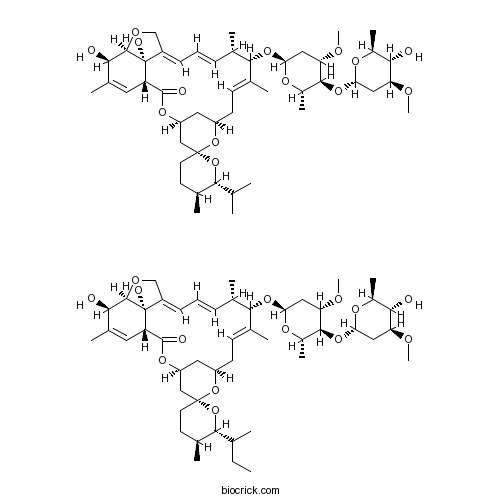
Ivermectin
Ivermectin (MK-933) is a broad-spectrum anti-parasite medication used in humans most commonly to treat nematode infections such as onchocerciasis, as well as scabies and lice. Ivermectin (MK-933) is a specific inhibitor of Impα/β1-mediated nuclear import and has potent antiviral activity towards both HIV-1 and dengue virus. It is a positive allosteric effector of P2X4 and the α7 neuronal nicotinic acetylcholine receptor (nAChRs). Ivermectin also inhibits bovine herpesvirus1 (BoHV-1) replication and inhibits BoHV-1 DNA polymerase nuclear import.
-
BCC7535
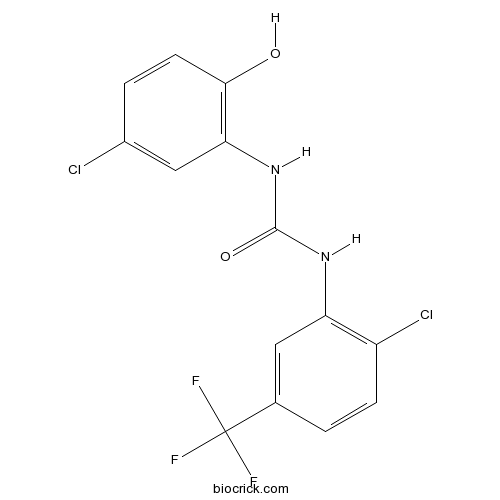
NS 1738
NS 1738 (NSC 213859) is a novel positive allosteric modulator of the α7 nAChR, with respect to positive modulation of α7 nAChR (EC50=3.4 μM in oocyte experiments).
-
BCC4581
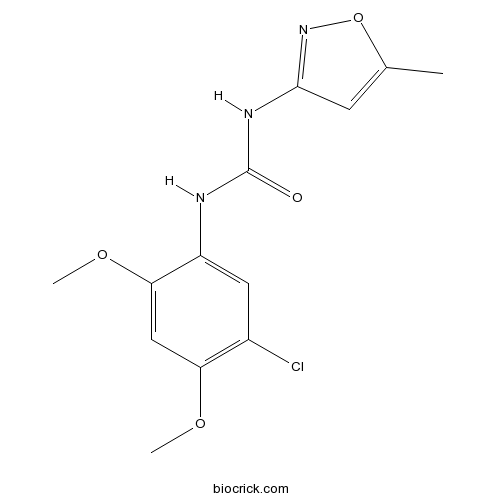
PNU-120596
PNU-120596 (NSC 216666 ) is a potent and selective positive allosteric α7 nAChR modulator with an EC50 of 0.2 μM.
-
BCC7896
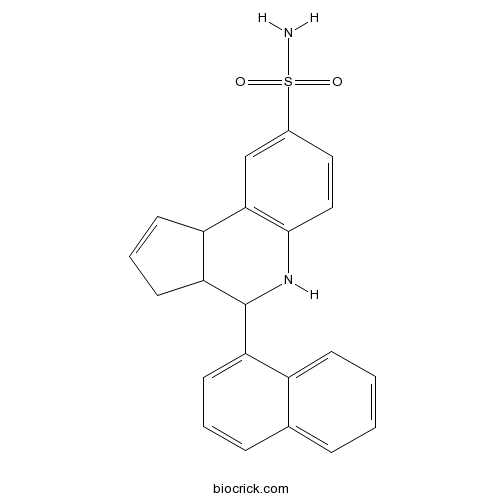
TQS
353483-92-8
-
BCC7564
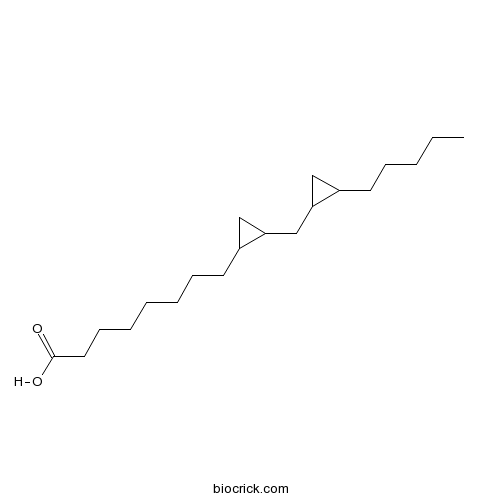
FR 236924
DCP-LA (FR236924), a linoleic acid derivative, selectively and directly activates PKCε.
-
BCC6912
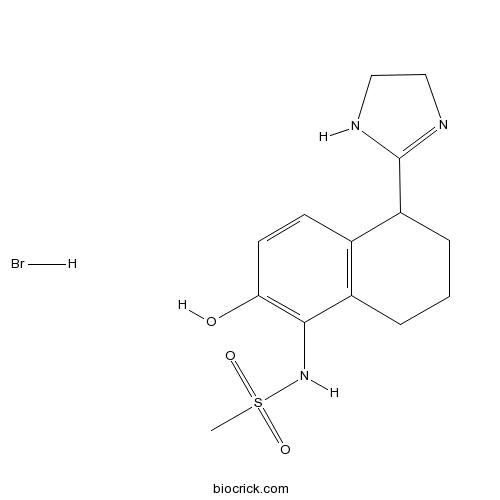
A 61603 hydrobromide
107756-30-9
-
BCC6833
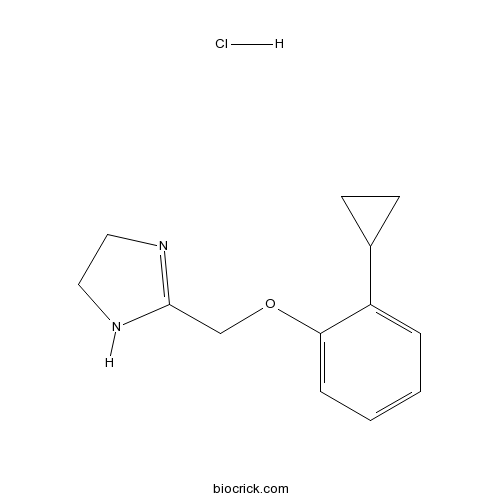
Cirazoline hydrochloride
Cirazoline hydrochloride (LD 3098 hydrochloride) is a potent competitive full α1A-adrenergic receptor (α1A-AR) agonist (Ki=120 nM) and only a partial agonist at α1B-AR (Ki= 960 nM) and α1D-AR (Ki=660 nM).
-
BCC4333
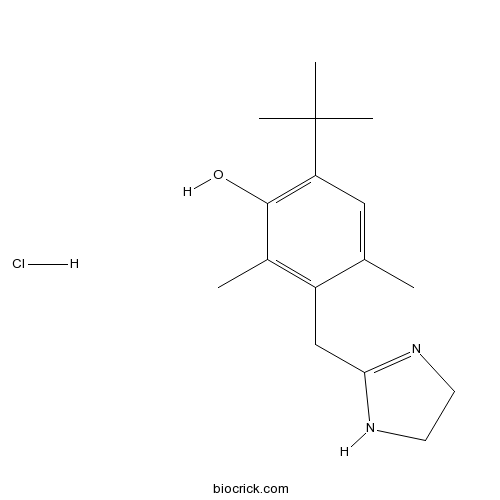
Oxymetazoline HCl
2315-02-8