Epilepsy Research
Epilepsy is a group of neurological conditions consisting of recurrent, usually unprovoked epileptic seizures. Epileptic seizures have recently been defined as "a transient occurrence of signs and/or symptoms due to abnormal, excessive or synchronous neuronal activity in the brain". Epilepsy is one of the most common disorders of the brain, with one in 10 people suffering at least one seizure in their lifetime. There are over 40 different types of epilepsy, each of which presents with its own unique combination of seizure type, typical age of onset, EEG findings, treatment, and prognosis.
Epilepsy Research Products Targets
- NHE (3)
- Monocarboxylate Transporter (3)
- VEGFR (16)
- FGFR (5)
- Voltage-gated Sodium (NaV) Channel (30)
- Voltage-gated Potassium (KV) Channel (38)
- Voltage-gated Calcium Channel (CaV) (38)
- Others (13)
- Epithelial Sodium Channel (3)
- STIM-Orai Channel (4)
- Ryanodine Receptor (6)
- Glutamate (Metabotropic) Group III Receptor (26)
- Glutamate (Metabotropic) Group II Receptor (33)
- Glutamate (Metabotropic) Group I Receptor (54)
- AMPA Receptor (45)
- GABAA-ρ Receptor (8)
- GABAA Receptor (66)
- NMDA Receptor (87)
- Kainate Receptor (22)
- IP3 Receptor (2)
- Gap Channel (7)
- Trk Receptor (13)
- Acid-Sensing Ion Channel (3)
- Calcium-Activated Potassium (KCa) Channel (19)
- Inward Rectifier Potassium (Kir) Channel (21)
- Sodium and Potassium ATPase (3)
- KCC2 (1)
- H+-ATPase (3)
- H+,K+-ATPase (4)
- Chloride Channel (17)
- NCX (5)
- Ca2+-ATPase (7)
- NKCC (2)
- Cytokine (15)
Products for Epilepsy Research - Page 56
- Cat.No. Product Name Information/Activity
-
BCC6889
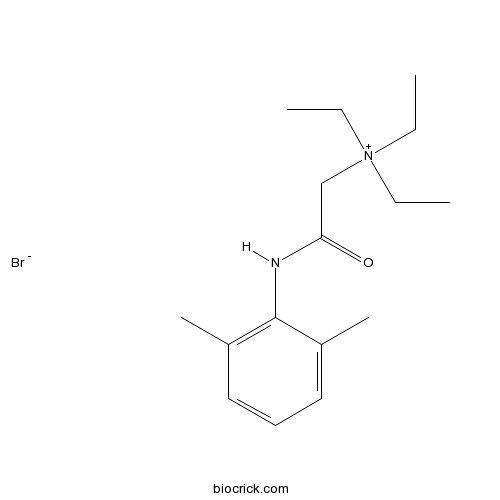
QX 314 bromide
QX-314 bromide is a membrane-impermeable permanently charged sodium channel blocker.
-
BCC7326
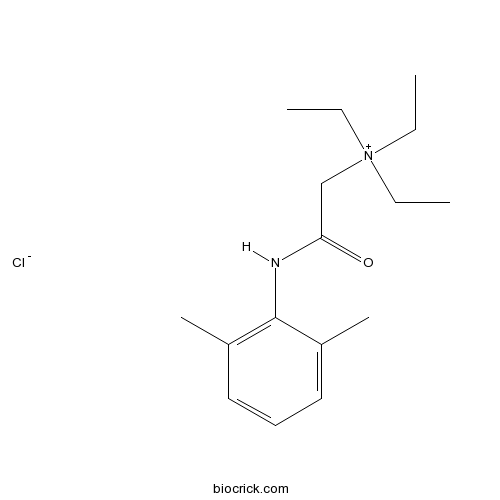
QX 314 chloride
QX-314 chloride is a membrane-impermeable permanently charged sodium channel blocker.
-
BCC7844
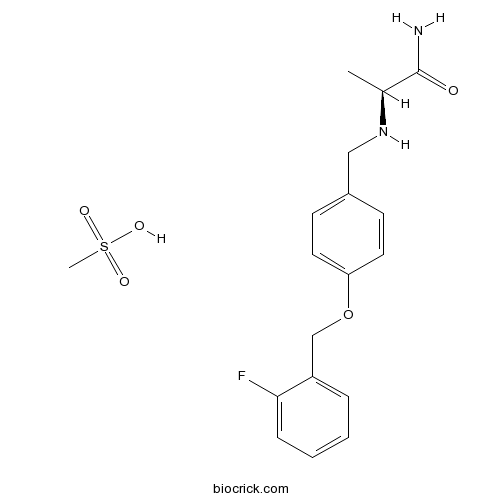
Ralfinamide mesylate
Ralfinamide mesylate (FCE-26742A mesylate) is an orally available Na+ channel blocker derived from α-aminoamide, with function of suppressing pain.
-
BCC7847
Sipatrigine
Sipatrigine, a neuroprotective agent, is a glutamate release inhibitor, voltage-dependent sodium channel and calcium channel inhibitor, penetrating the central nervous system. Has potential to treat focal cerebral ischemia and stroke.
-
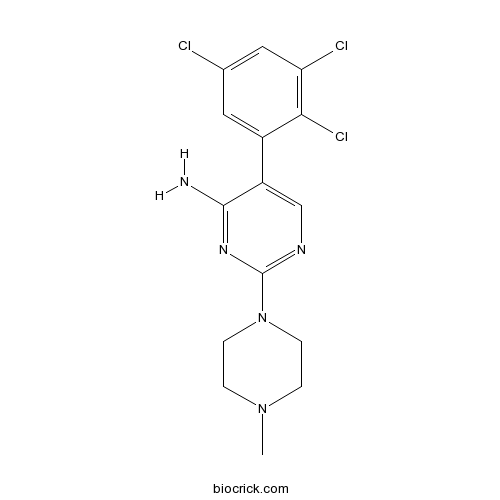
BCC6179
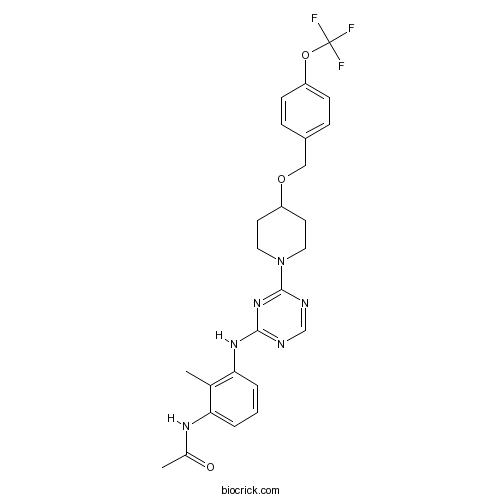
TC-N 1752
1211866-85-1
-
BCN1035
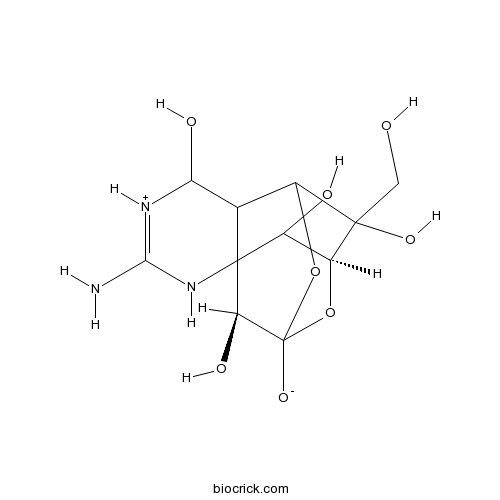
Tetrodotoxin
Tetrodotoxin is a highly selective <b>sodium channel</b> blocker, with <b>IC<sub>50</sub></b> of 33 nM for <b>Nav1.6</b>.
-
BCC2156
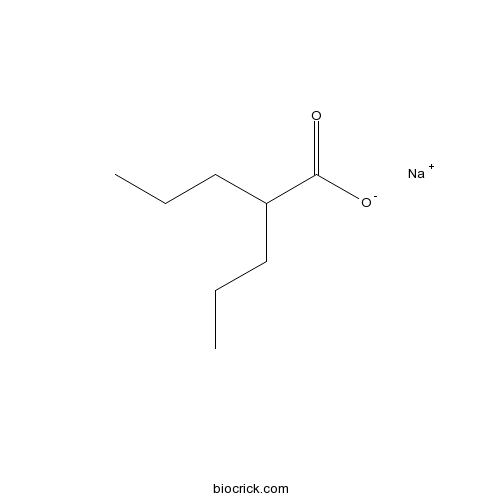
Valproic acid sodium salt (Sodium valproate)
Valproic acid sodium salt (Sodium Valproate) is an HDAC inhibitor, with IC50 in the range of 0.5 and 2 mM, also inhibits HDAC1 (IC50, 400 μM), and induces proteasomal degradation of HDAC2. Valproic acid sodium salt activates Notch1 signaling and inhibits proliferation in small cell lung cancer (SCLC) cells. Valproic acid sodium salt is used in the treatment of epilepsy, bipolar disorder and prevention of migraine headaches.
-
BCN2609
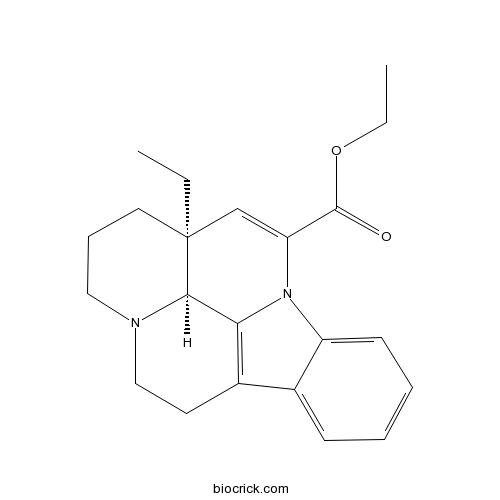
Vinpocetine
Vinpocetine (Ethyl apovincaminate) is a derivative of the alkaloid Vincamine that blocks voltage-gated Na+ channels. The IC50 value of Vinpocetine on direct IKK inhibition in the cell-free system is 17.17 μM. Vinpocetine is a phosphodiesterase (PDE) inhibitor and inhibits NF-κB-dependent inflammatory responses by directly targeting IκB kinase complex (IKK), and has been widely used for the treatment of cerebrovascular disorders.
-
BCC1048
β-Pompilidotoxin
Slows neuronal Na<sup>+</sup> channel inactivation

-
BCC5078
Rufinamide
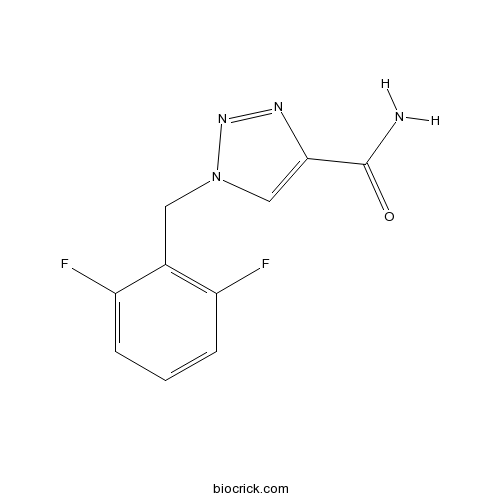
Rufinamide(E 2080; CGP 33101; RUF 331) is a new antiepileptic agent that differs structurally from other antiepileptic drugs and is approved as adjunctive therapy for Lennox-Gastaut syndrome (LGS).