Addiction Research
According to the World Health Organization (WHO), addiction is 'a chronic disease of the central nervous system that is characterized by a loss of control over impulsive behavior that leads to compulsive drug seeking and taking, and to relapses even after months of abstinence'. Addiction is a complex neuroadaptive process, where drugs of abuse alter cellular and molecular aspects of neural function. The brain circuits mediating the various behavioral effects of these drugs are rendered more, or less, responsive to those effects.
Addiction Research Products Targets
- Others (13)
- D4 Receptor (12)
- 5-HT7 Receptor (11)
- 5-HT6 Receptor (14)
- 5-ht5 Receptor (2)
- 5-HT4 Receptor (17)
- NOP Receptor (21)
- Mu-Opioid Receptors (15)
- Kappa Opioid Receptors (14)
- AMPA Receptor (45)
- GABAA-ρ Receptor (8)
- GABAA Receptor (66)
- GPR55 (8)
- CB2 Receptor (6)
- CB1 Receptor (17)
- Nicotinic (α7) Receptor (25)
- Nicotinic (α4β2) Receptor (14)
- D3 Receptor (12)
- NMDA Receptor (87)
- Kainate Receptor (22)
- D2 Receptor (14)
- D1 and D5 Receptor (16)
- Glutamate Transporter (18)
- Dopamine Transporter (20)
- CRF2 Receptor (3)
- CRF1 Receptor (5)
- 5-HT Transporter (30)
- Delta opioid receptor (16)
Products for Addiction Research - Page 44
- Cat.No. Product Name Information/Activity
-
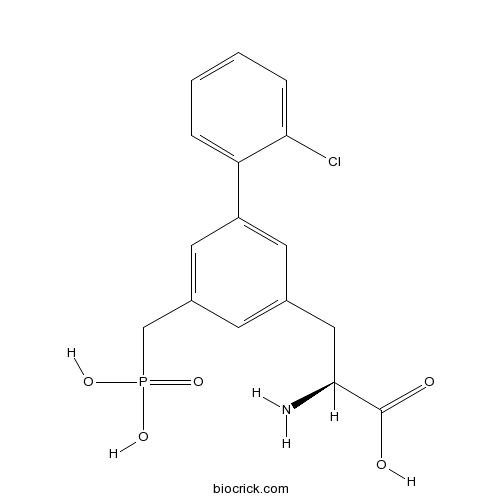
BCC1939
SDZ 220-581
SDZ 220-581 is an orally active, potent, competitive NMDA receptor antagonist with pKi value of 7.7.
-
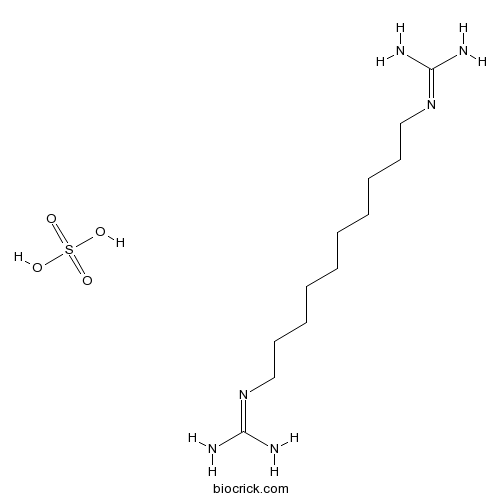
BCC6730
Synthalin sulfate
182285-12-7
-
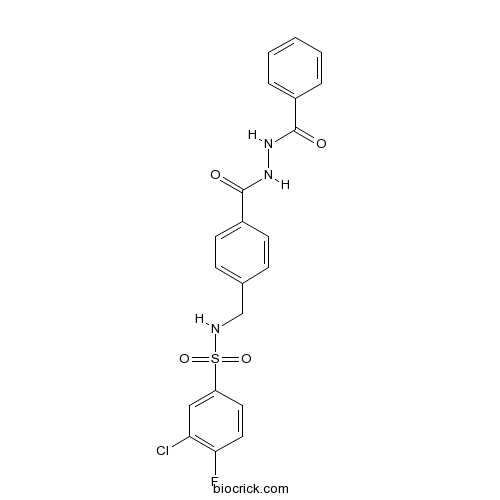
BCC6122
TCN 201
852918-02-6
-
BCC6123
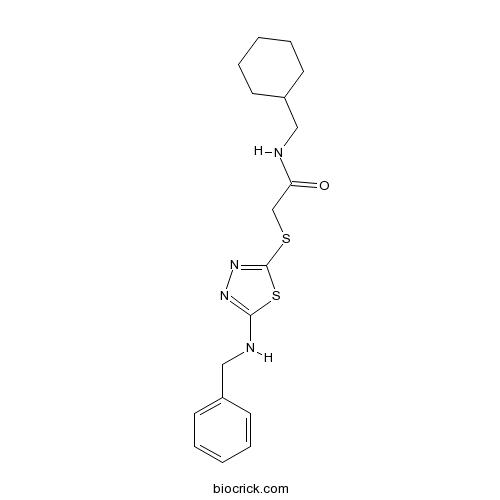
TCN 213
556803-08-8
-
BCC6111
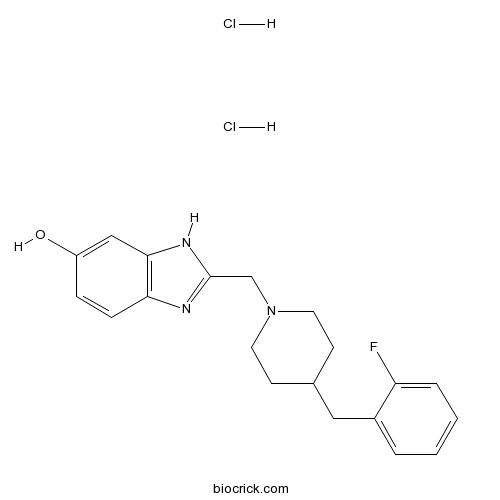
TCN 237 dihydrochloride
NMDA-IN-1 is a potent and NR2B-selective NMDA antagonist with Ki of 0.85 nM; NR2B Ca2+ influx IC50 is 9.7 nM; no activities on NR2A, NR2C, NR2D, hERG-channel and α1-adrenergic receptor.
-
BCC7482
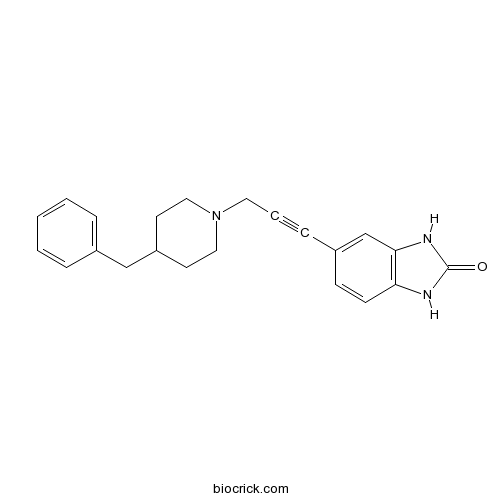
TCS 46b
302799-86-6
-
BCC6984
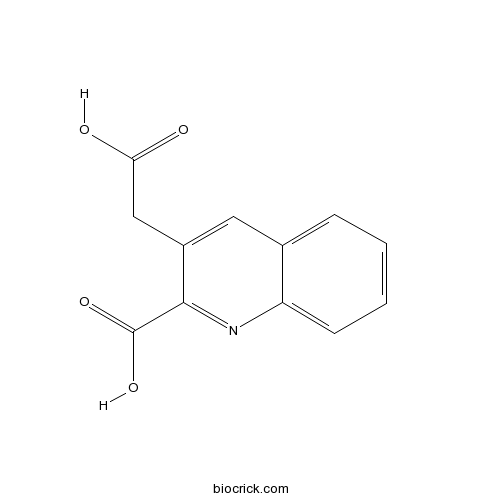
CCMQ
132623-44-0
-
BCC7862
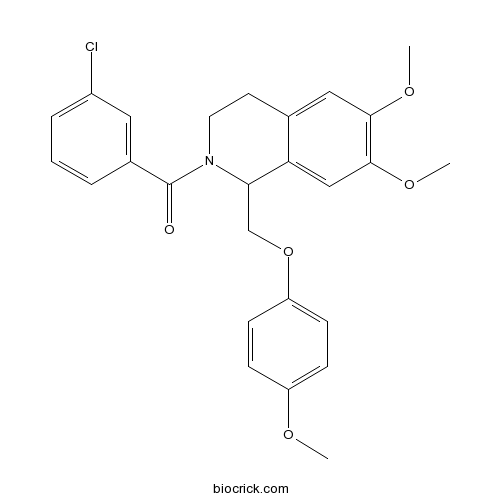
CIQ
CIQ is a subunit-selective potentiator of NMDA receptors containing the NR2C or NR2D subunit.
-
BCC2946
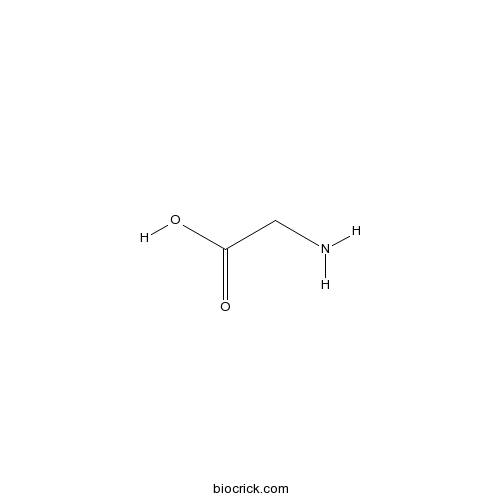
H-Gly-OH
Glycine is an inhibitory neurotransmitter in the CNS and also acts as a co-agonist along with glutamate, facilitating an excitatory potential at the glutaminergic N-methyl-D-aspartic acid (NMDA) receptors.
-
BCC5888
MNI-caged-NMDA
1227675-52-6