Cardiovascular System Research
The cardiovascular, or circulatory, system is a closed elastic circuit consisting of the heart, blood vessels (arteries, capillaries and veins) and the blood. The primary function is to pump oxygenated blood to the tissues throughout the body and reabsorb waste carbon dioxide for its removal. This function is performed by the use of pulmonary and systemic circulation.
Cardiovascular System Research Products Areas
Products for Cardiovascular System Research - Page 62
- Cat.No. Product Name Information/Activity
-
BCC6126
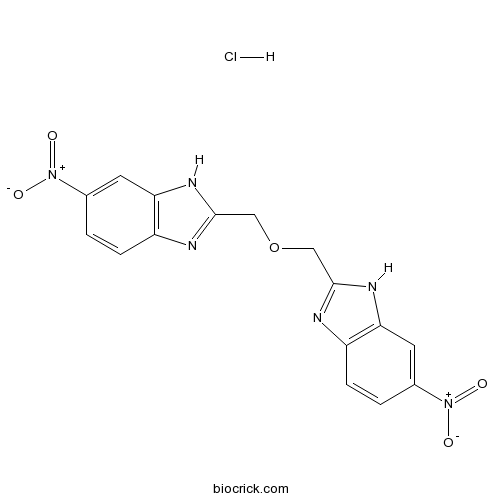
VU 591 hydrochloride
VU591 hydrochloride is a potent, selective renal outer medullary potassium channel (ROMK or Kir1.1) inhibitor, with an IC50 of 0.24 μM.
-
BCC4456
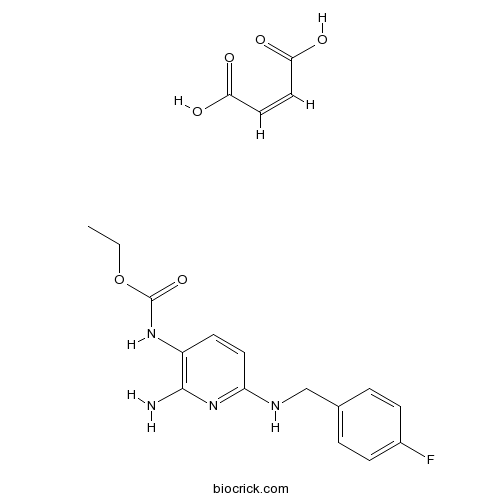
Flupirtine maleate
Flupirtine Maleate(D 9998) is a selective neuronal potassium channel opener that also has NMDA receptor antagonist properties.
-
BCC7911
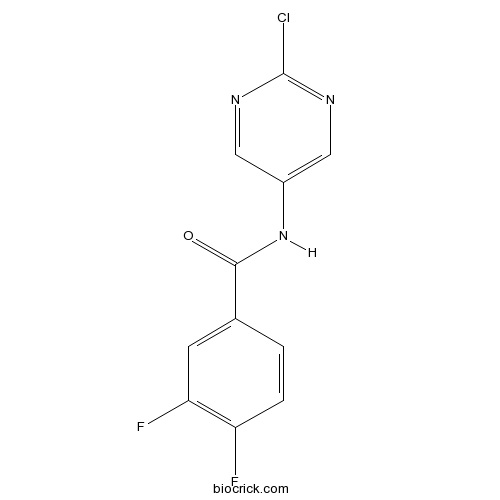
ICA 069673
ICA-069673 is a KCNQ2/Q3 potassium channel activator with an IC50 of 0.69 μM.
-
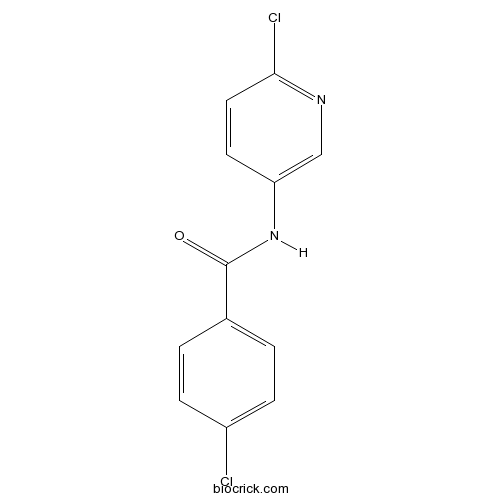
BCC6338
ICA 110381
ICA 110381 (Compound 16) is a KCNQ2/Q3 potassium channel opener for the treatment of epilepsy. ICA 110381 is a KCNQ2/Q3 agonist (EC50=0.38 μM) as well as KCNQ1 antagonist (IC50=15 μM).
-
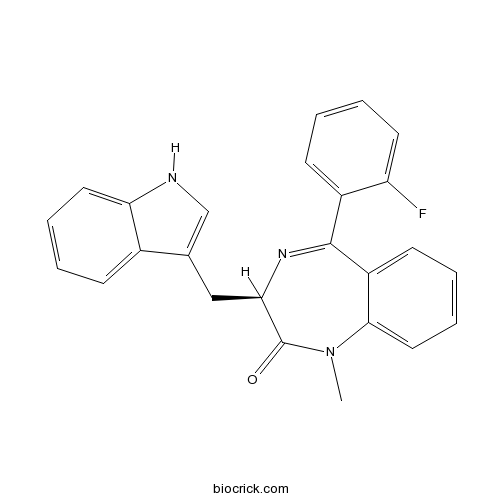
BCC7445
L-364,373
103342-82-1
-
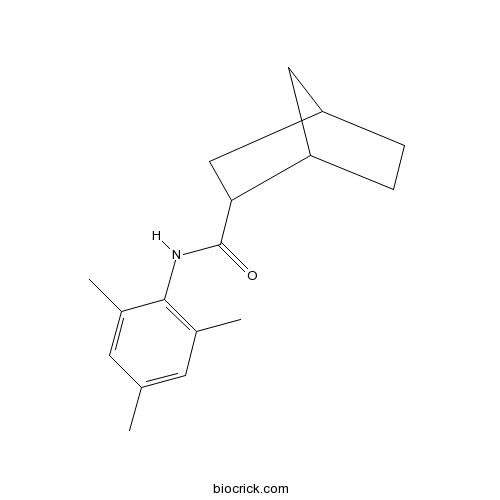
BCC6213
ML 213
ML213 is a selective activator of Kv7.2 and Kv7.4 channels, enhances Kv7.2 and Kv7.4 channels with EC50s of 230 and 510 nM, respectively.
-
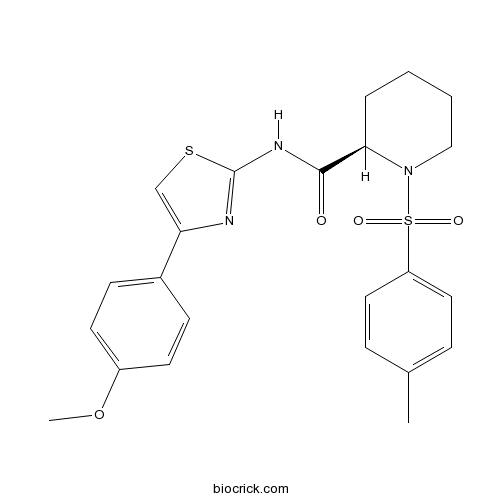
BCC7976
ML 277
ML277(CID53347902) is a novel, potent and selective K(v)7.1 (KCNQ1) potassium channel activator with EC50 of 270 nM.
-
BCC7552
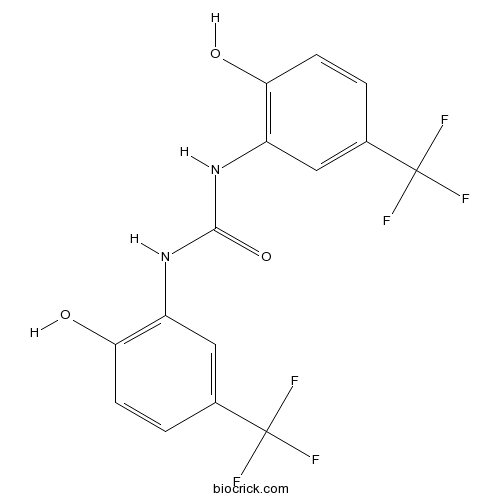
NS 1643
NS1643 is a partial agonist of human ether-a-go-go-related gene (hERG) K(+) channels with an EC50 of 10.5 μM.
-
BCC6190
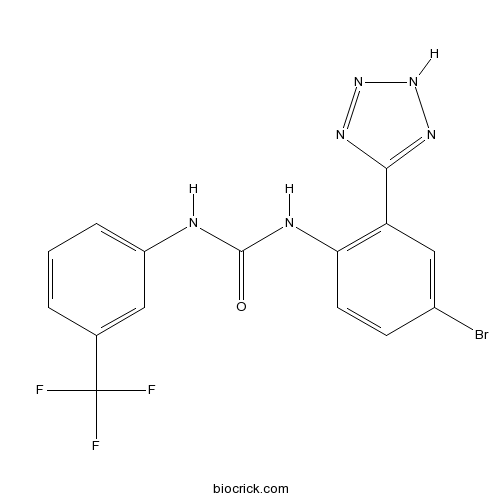
NS 3623
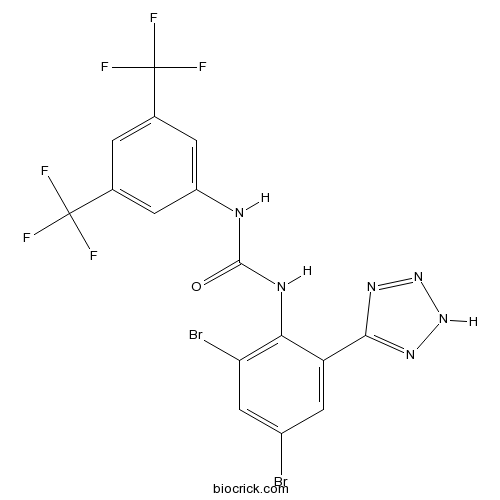
NS3623 is an activator of human ether-a-go-go-related gene (hERG1/KV11.1) potassium channels. NS3623 activates the IKr and Ito currents and has antiarrhythmic effect. NS3623 has a dual mode of action, being an inhibitor of hERG1 channels.
-
BCC7872
NS 5806
NS5806, a potent potassium current activator, increases KV4.3/KChIP2 peak current amplitudes with an EC50 of 5.3 μM. NS5806 slows KV4.3 and KV4.2 current dacay in channel complexes containing KChIP2.