Cardiovascular System Research
The cardiovascular, or circulatory, system is a closed elastic circuit consisting of the heart, blood vessels (arteries, capillaries and veins) and the blood. The primary function is to pump oxygenated blood to the tissues throughout the body and reabsorb waste carbon dioxide for its removal. This function is performed by the use of pulmonary and systemic circulation.
Cardiovascular System Research Products Areas
Products for Cardiovascular System Research - Page 57
- Cat.No. Product Name Information/Activity
-
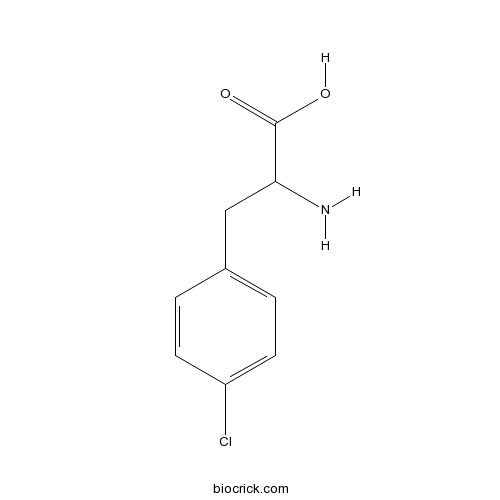
BCC5689
p-Chlorophenylalanine
Fenclonine is a pharmaceutical intermediate.
-
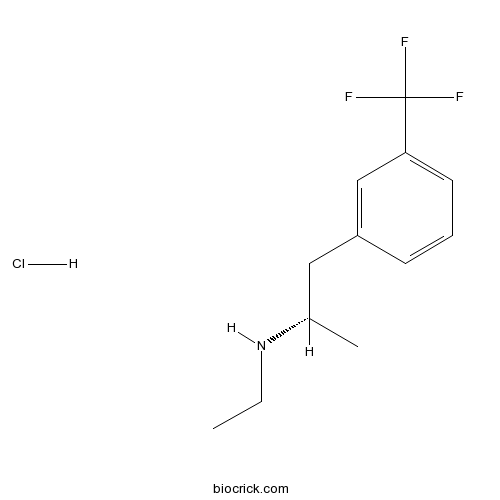
BCC5927
Dexfenfluramine hydrochloride
3239-45-0
-
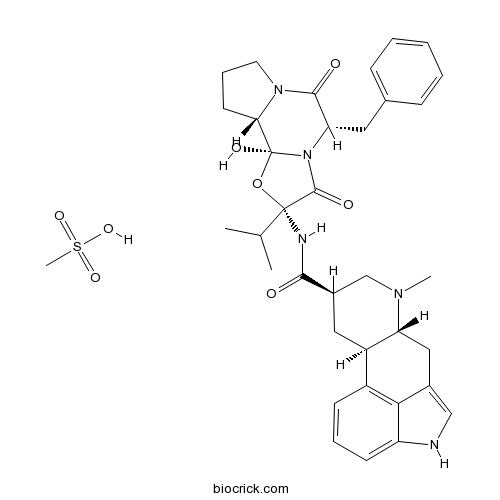
BCC6657
Dihydroergocristine mesylate
Dihydroergocristine mesylate (DHEC mesylate) is a inhibitor of γ-secretase (GSI), reduces the production of the Alzheimer's disease amyloid-β peptides, binds directly to γ-secretase and Nicastrin with equilibrium dissociation constants (Kd) of 25.7 nM and 9.8 μM, respectively.
-
BCC5224
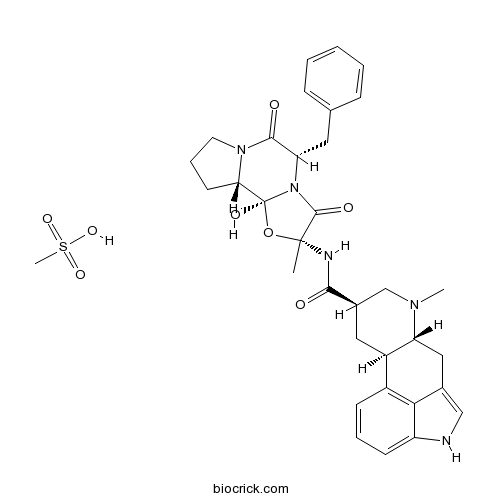
Dihydroergotamine mesylate
Dihydroergotamine mesylate is an ergot alkaloid used to treat migraines.
-
BCN4896
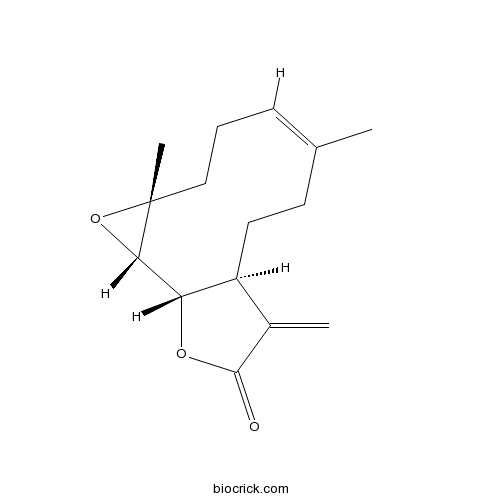
Parthenolide
Parthenolide is a sesquiterpene lactone found in the medicinal herb Feverfew. Parthenolide exhibits anti-inflammatory activity by inhibiting NF-κB activation; also inhibits HDAC1 protein without affecting other class I/II HDACs.
-
BCC5967
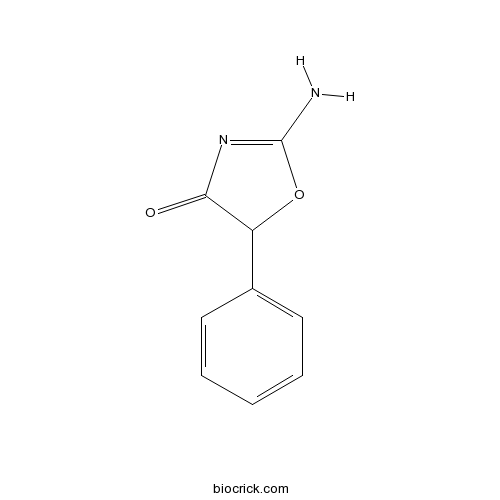
Pemoline
2152-34-3
-
BCC2851
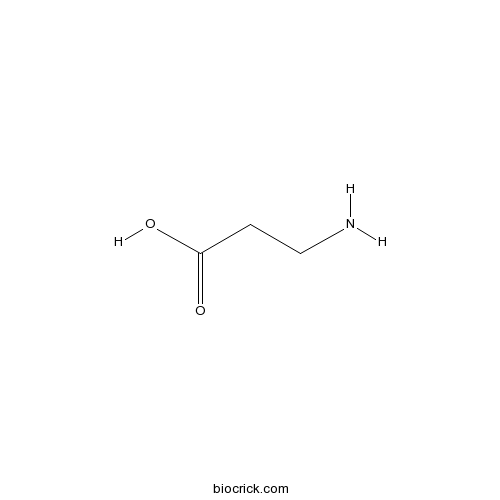
H-ß-Ala-OH
β-Alanine is a non-essential amino acid that is shown to be metabolized into carnosine, which functions as an intracellular buffer.
-
BCC3190
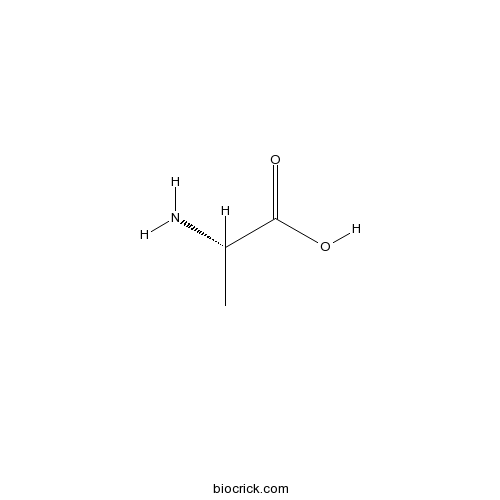
H-Ala-OH
L-Alanine is a non-essential amino acid, involved in sugar and acid metabolism, increases immunity, and provides energy for muscle tissue, brain, and central nervous system.
-
BCC2946
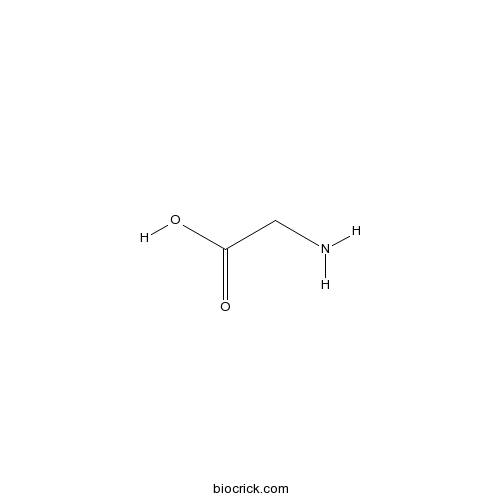
H-Gly-OH
Glycine is an inhibitory neurotransmitter in the CNS and also acts as a co-agonist along with glutamate, facilitating an excitatory potential at the glutaminergic N-methyl-D-aspartic acid (NMDA) receptors.
-
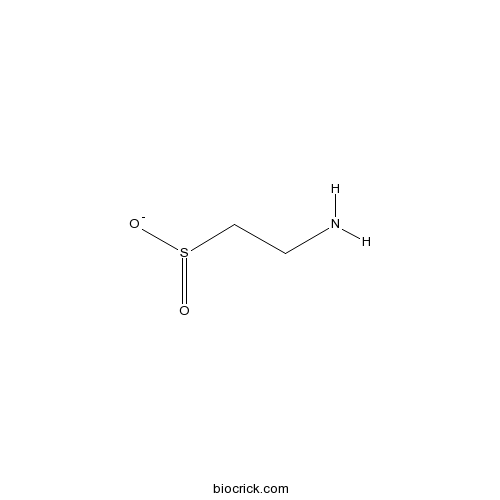
BCN1749
Hypotaurine
Hypotaurine (2-aminoethanesulfinic acid), an intermediate in taurine biosynthesis from cysteine in astrocytes, is an endogenous inhibitory amino acid of the glycine receptor.