Cardiovascular System Research
The cardiovascular, or circulatory, system is a closed elastic circuit consisting of the heart, blood vessels (arteries, capillaries and veins) and the blood. The primary function is to pump oxygenated blood to the tissues throughout the body and reabsorb waste carbon dioxide for its removal. This function is performed by the use of pulmonary and systemic circulation.
Cardiovascular System Research Products Areas
Products for Cardiovascular System Research - Page 65
- Cat.No. Product Name Information/Activity
-
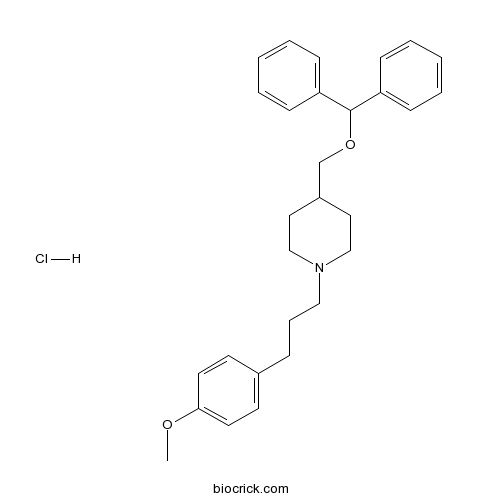
BCC7784
UK 78282 hydrochloride
136647-02-4
-
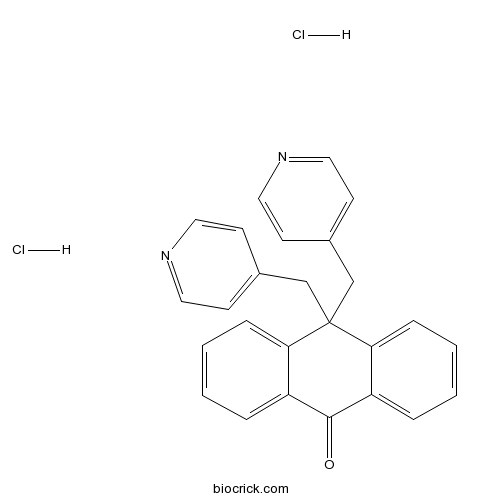
BCC7232
XE 991 dihydrochloride
XE 991 dihydrochloride, a Kv7 (KCNQ) channels blocker, potently inhibits Kv7.1 (KCNQ1), Kv7.2 (KCNQ2), Kv7.2 + Kv7.3 (KCNQ3) channel, and M-current with IC50s of 0.75 µM, 0.71 µM, 0.6 μM, and 0.98 µM, respectively.
-
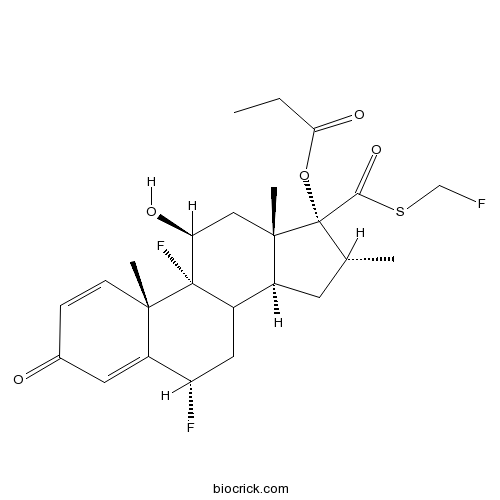
BCC4907
Fluticasone propionate
Fluticasone propionate is a high affinity, selective GR (glucocorticoid receptor) agonist which is derived from fluticasone used to treat asthma and allergic rhinitis.
-
BCC6351
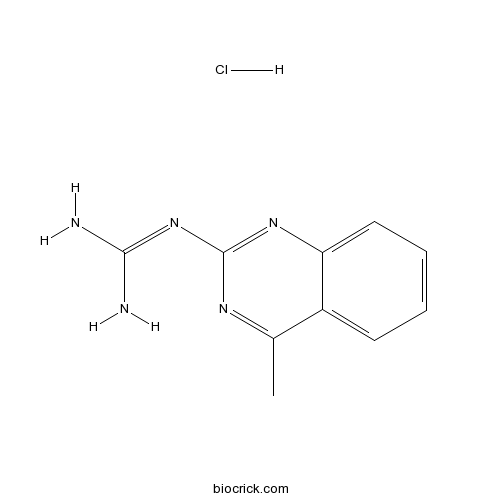
GMQ hydrochloride
5361-15-9
-
BCC6054
Neuropeptide SF (mouse, rat)
230960-31-3

-
BCC6294
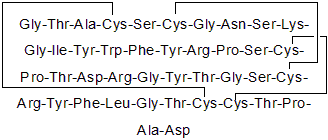
APETx2
713544-47-9
-
BCC1451
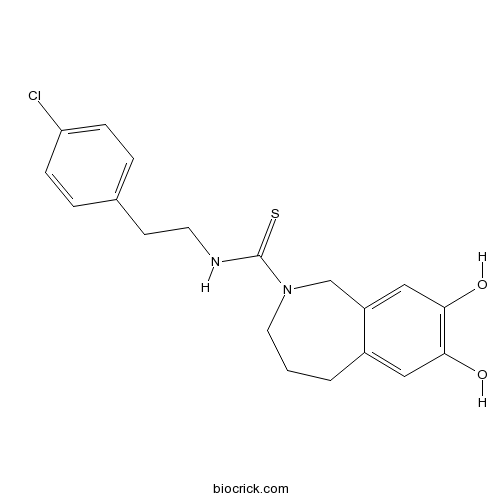
Capsazepine
Capsazepine is a synthetic analogue of the sensory neurone excitotoxin, and an antagonist of TRPV1 receptor with an IC50 of 562 nM.
-
BCC7673
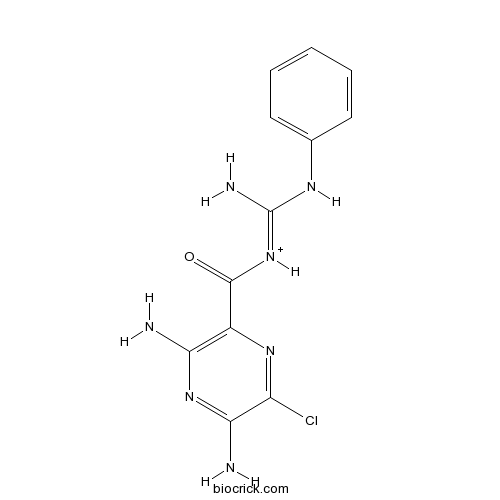
Phenamil
1161-94-0
-
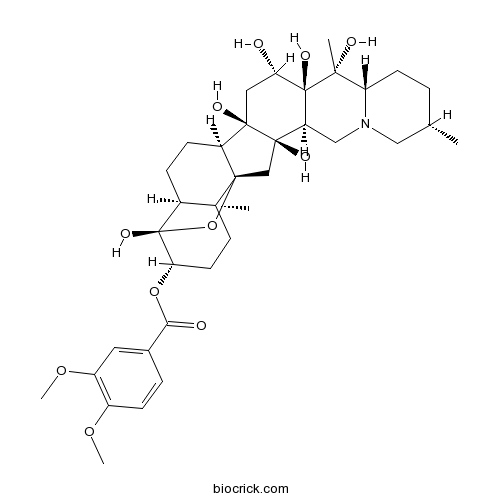
BCC7515
Veratridine
Veratridine (3-Veratroylveracevine), a alkaloid derived from plants in the family Liliaceae, is a sodium channel agonist. Veratridine inhibits the peak current of Nav1.7, with an IC50 of 18.39 µM.
-
BCC5075
A-803467
A 803467 is a selective Nav1.8 sodium channel blocker with an IC50 of 8 nM; over 100-fold more selective vs. human Nav1.2, 1.3, 1.5 and 1.7.