Heart Failure Research
Heart failure, also known as congestive heart failure or CHF, is an inability of the heart to pump sufficient blood around the body.Heart failure typically occurs secondary to an existing pathology that alters cardiac function. Examples of syndromes that can precede heart failure include myocardial infarction, arrhythmia or infection. These can also cause dilated cardiomyopathy, a condition which accounts for approximately one third of all cases of heart failure. The pathogenesis of heart failure is cyclical and progressive; endogenous mechanisms, which are activated during heart failure in an attempt to counteract the symptoms, actually worsen cardiac function. Cardiac dysfunction, either systolic or diastolic, triggers a decrease in stroke volume and a resultant increase in cardiac output. In healthy individuals the body responds to decreases in cardiac output by initiating the renin-angiotensin-aldosterone system (RAAS) to promote fluid retention, and also by activating the sympathetic nervous system to cause peripheral vasoconstriction. Under normal circumstances this counteracts the imbalance in stroke volume, restoring cardiac output to normal levels. In patients with heart failure the increase in blood volume, together with the heightened peripheral resistance and elevated levels of circulating catecholamines, causes an increased load on the already weakened ventricles with each contraction, and the stroke volume does not return to normal levels. Repeated cycles of this process further weaken the ventricle walls, prompting ventricular hypertrophy and a decreased force of contraction.
Heart Failure Research Products Targets
- PI 3-kinase (22)
- Others (7)
- Mineralocorticoid Receptor (7)
- Angiotensin-Converting Enzyme (8)
- NO donors and precursors (9)
- nNOS (5)
- iNOS (11)
- eNOS (1)
- Angiotensin AT2 Receptor (3)
- Angiotensin AT1 Receptor (9)
- NKCC (2)
- Adrenergic α2 Receptor (33)
- Adrenergic α1 Receptor (22)
- Adrenergic β2 Receptor (6)
- Adrenergic β1 Receptor (7)
Products for Heart Failure Research - Page 11
- Cat.No. Product Name Information/Activity
-
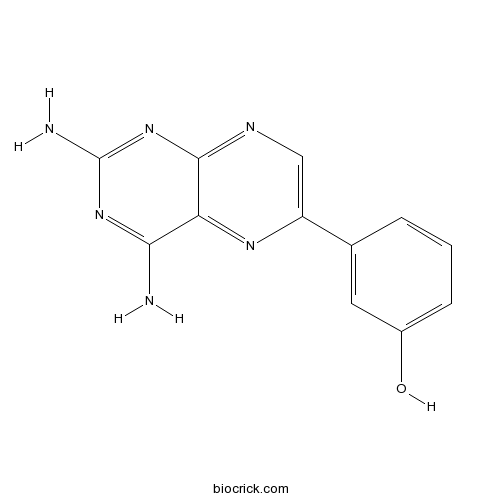
BCC4985
TG100713
PI 3-kinase inhibitor,TG100713 is a pan-PI3K inhibitor against PI3Kγ, PI3Kδ, PI3Kα and PI3Kβ with IC50 of 50 nM, 24 nM, 165 nM and 215 nM, respectively.
-
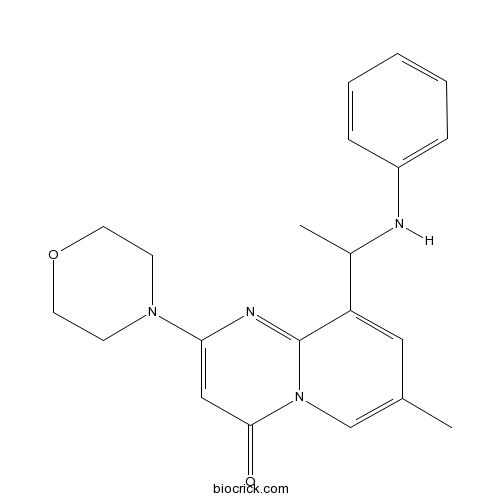
BCC1244
TGX-221
TGX-221 is a potent, selective, and cell membrane permeable inhibitor of the PI3K p110β catalytic subunit, used for cancer treatment.
-
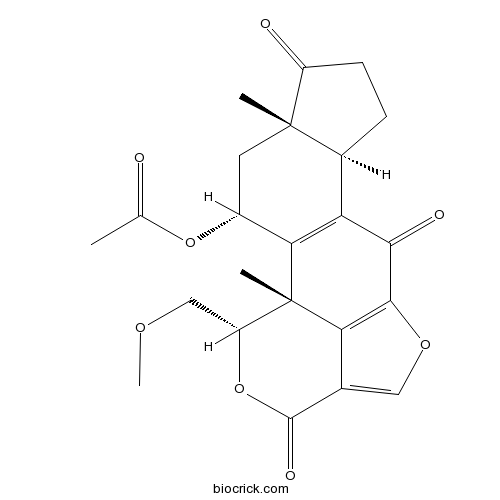
BCC3874
Wortmannin
Wortmannin (SL-2052; KY-12420) is a potent, selective and irreversible PI3K inhibitor with an IC50 of 3 nM. Wortmannin also blocks autophagy formation, and potently inhibits Polo-like kinase 1 (PlK1) and Plk3 with IC50s of 5.8 and 48 nM, respectively.
-
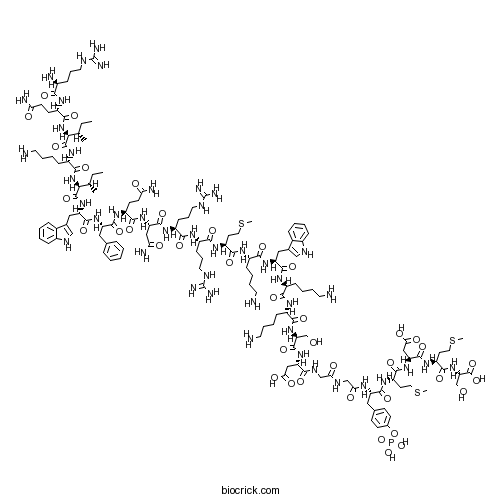
BCC5861
740 Y-P
740 Y-P (PDGFR 740Y-P) is a potent and cell permeable PI3K activator.
-
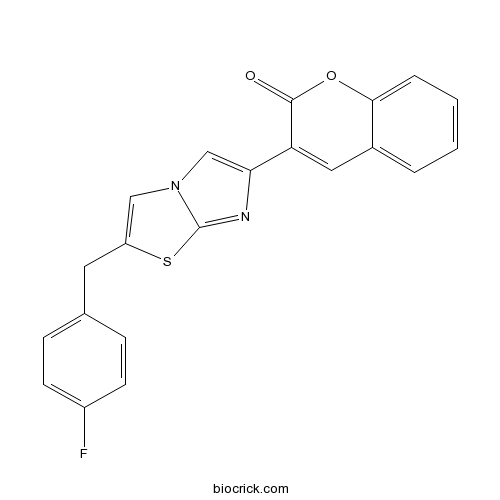
BCC6365
iMDK
881970-80-5
-
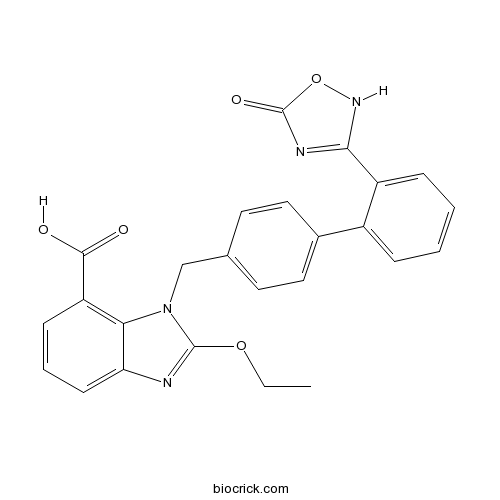
BCC5014
Azilsartan
Azilsartan(TAK-536) is a specific and potent angiotensin II type 1 receptor antagonist with IC50 of 2.6 nM.
-
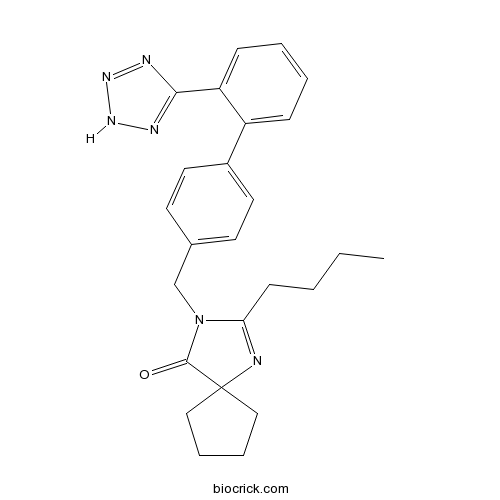
BCC2560
Irbesartan
Irbesartan is a highly potent and specific angiotensin II type 1 (AT1) receptor antagonist with IC50 of 1.3 nM.
-
BCC1080
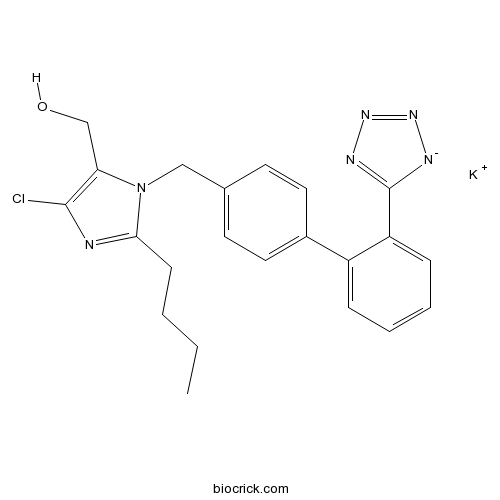
Losartan Potassium (DuP 753)
Losartan potassium (DuP-753 potassium) is an angiotensin II receptor type 1 (AT1) antagonist, competing with the binding of angiotensin II to AT1 with an IC50 of 20 nM.
-
BCC1819
Olmesartan
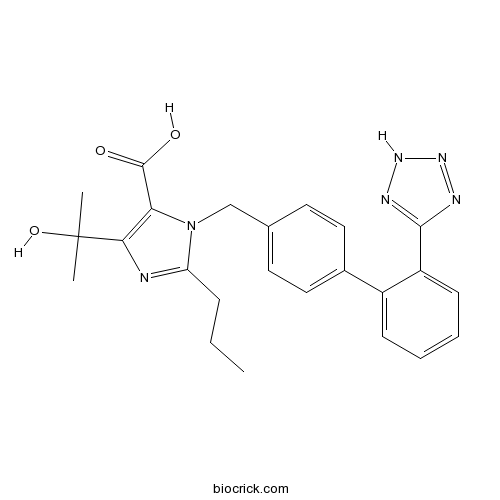
Olmesartan (RNH-6270) is an angiotensin II receptor (AT1R) antagonist used to treat high blood pressure.