Pain and Inflammation Research
Although separate conditions, pain and inflammation are nearly always associated with each other. Pain is defined by the International Association for the Study of Pain (IASP) as 'an unpleasant sensory and emotional experience associated with actual or potential tissue damage, or described in terms of such damage'. Inflammation is the tissue's immunologic response to injury, characterized by mobilization of white blood cells and antibodies, swelling, and fluid accumulation.
Pain and Inflammation Research Products Areas
Products for Pain and Inflammation Research - Page 54
- Cat.No. Product Name Information/Activity
-
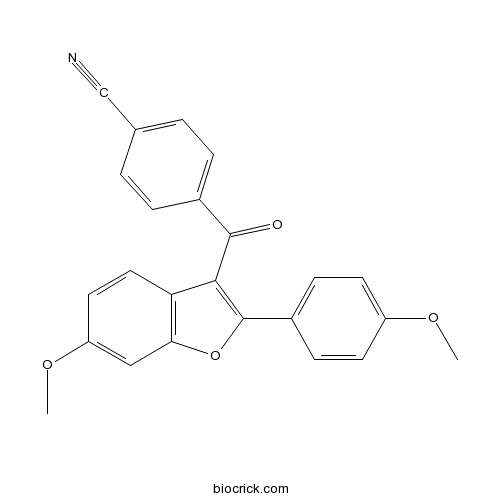
BCC7346
LY 320135
176977-56-3
-
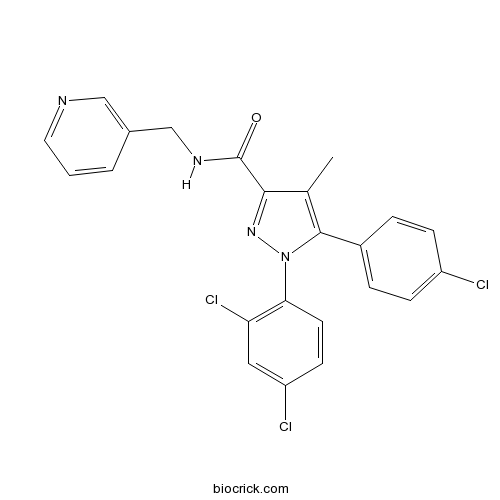
BCC7852
MJ 15
944154-76-1
-
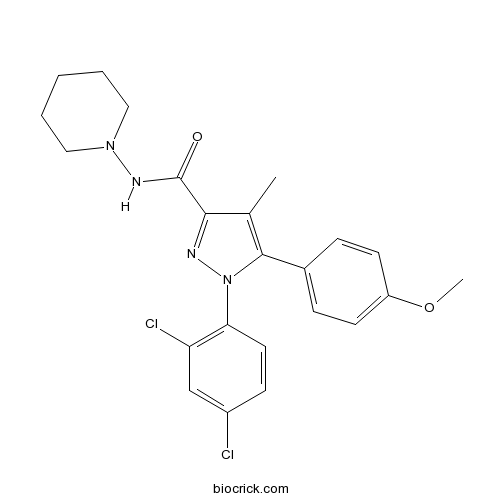
BCC7810
NIDA 41020
502486-89-7
-
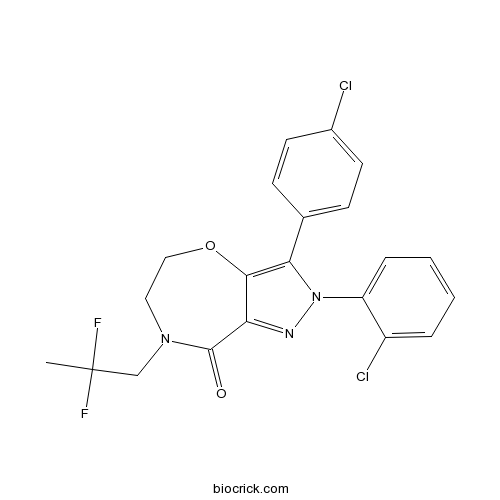
BCC7746
PF 514273
851728-60-4
-
BCC7954
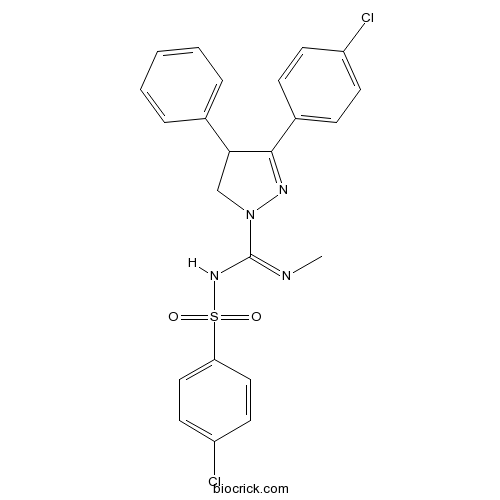
(±)-SLV 319
(±)-Ibipinabant ((±)-SLV319) is the racemate of SLV319. (±)-Ibipinabant ((±)-SLV319) is a potent and selective cannabinoid-1 (CB-1) receptor antagonist with an IC50 of 22 nM.
-
BCC1898
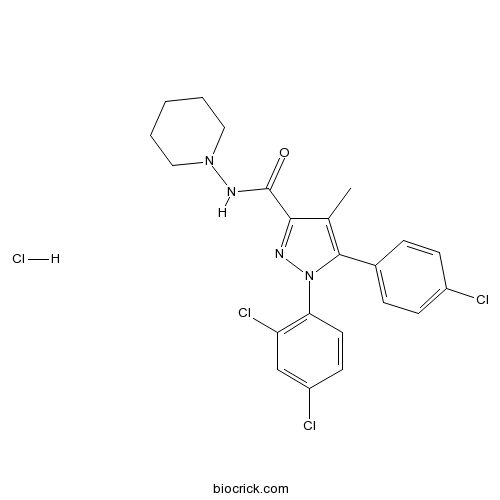
Rimonabant hydrochloride
Rimonabant hHydrochloride (SR 141716A Hydrochloride) is a highly potent and selective central cannabinoid receptor (CB1) antagonist with an Ki of 1.8 nM. Rimonabant hHydrochloride (SR 141716A Hydrochloride) also inhibits Mycobacterial membrane protein Large 3 (MMPL3).
-
BCC6144
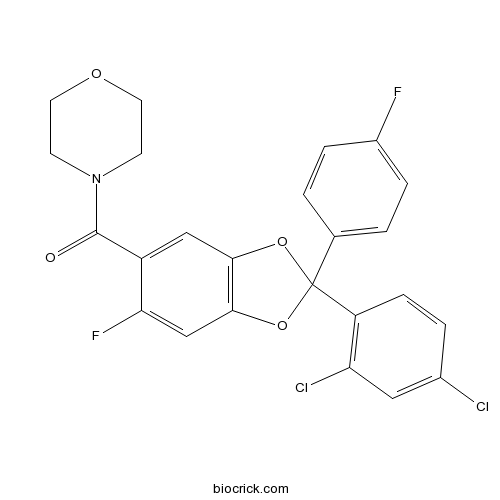
TC-C 14G
656804-72-7
-
BCC4411
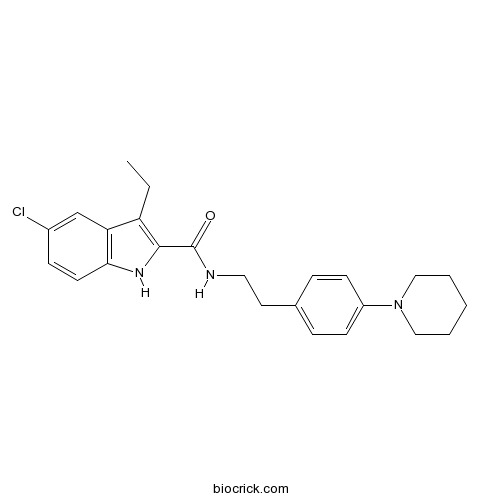
Org 27569
Org 27569 is a potent CB1 receptor allosteric modulator, which increases agonist binding, yet blocks agonist-induced CB1 signaling.
-
BCC7401
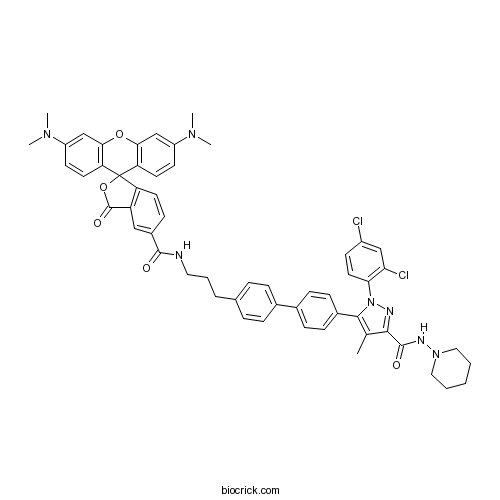
Tocrifluor T1117
1186195-59-4
-
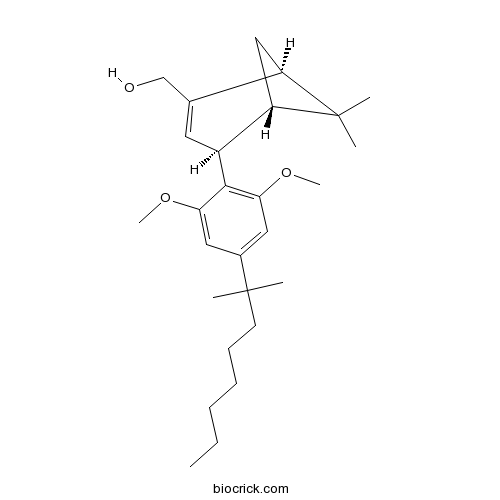
BCC5971
HU 308
Potent and selective CB<sub>2</sub> agonist