Pain and Inflammation Research
Although separate conditions, pain and inflammation are nearly always associated with each other. Pain is defined by the International Association for the Study of Pain (IASP) as 'an unpleasant sensory and emotional experience associated with actual or potential tissue damage, or described in terms of such damage'. Inflammation is the tissue's immunologic response to injury, characterized by mobilization of white blood cells and antibodies, swelling, and fluid accumulation.
Pain and Inflammation Research Products Areas
Products for Pain and Inflammation Research - Page 49
- Cat.No. Product Name Information/Activity
-
BCC7335
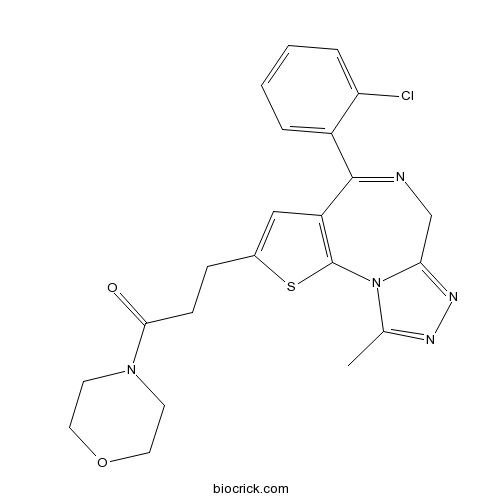
WEB 2086
Apafant (WEB 2086), a potent platelet-activating factor (PAF) antagonist, inhibits PAF binding to human PAF receptors with a Ki of 9.9 nM.
-
BCC7381
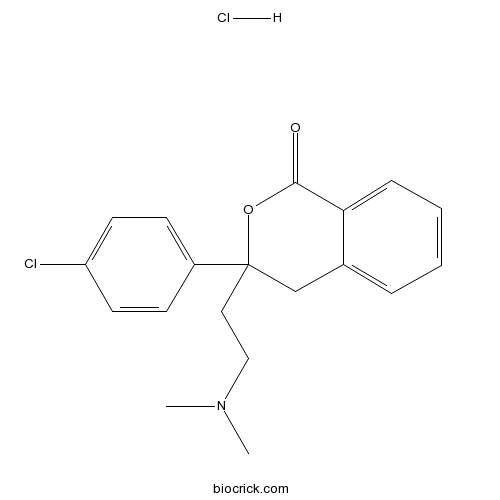
(±)-AC 7954 hydrochloride
477313-09-0
-
BCC5796
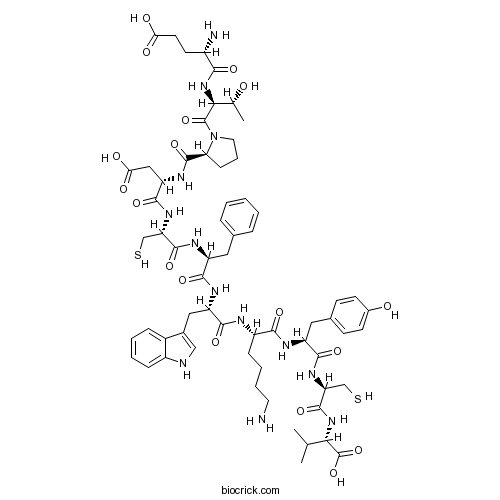
Urotensin II (human)
Urotensin II (114-124), human, an 11-amino acid residue peptide, is a potent vasoconstrictor and agonist for the orphan receptor GPR14.
-
BCC8010
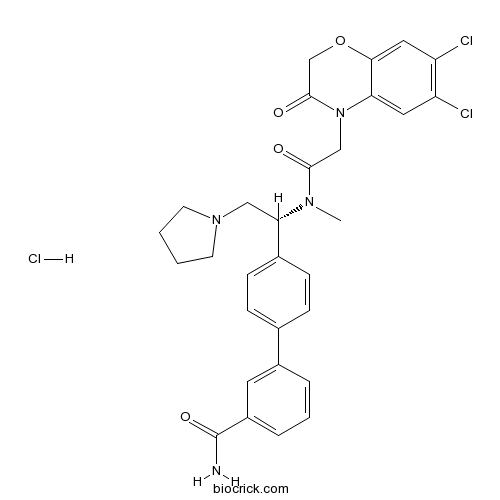
GSK 1562590 hydrochloride
1003878-07-6
-
BCC6257
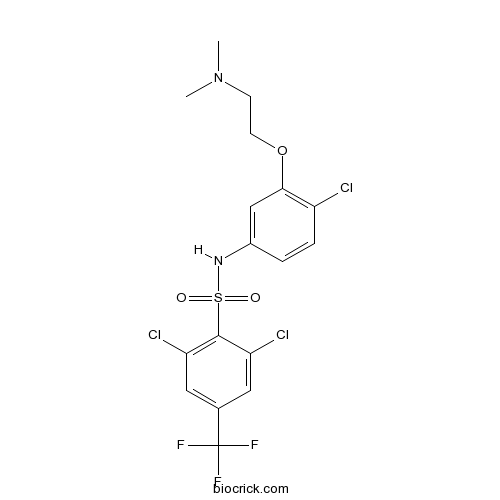
SB 611812
345892-71-9
-
BCC7713
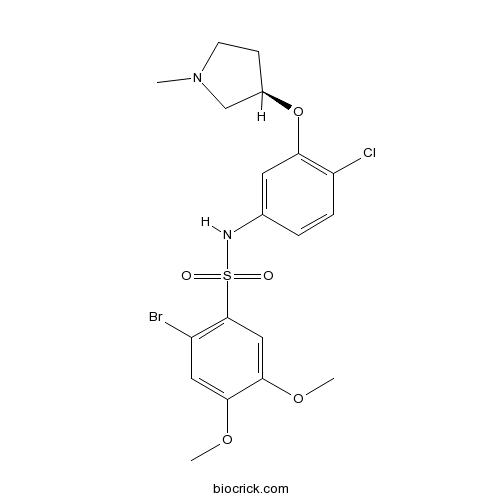
SB 657510
SB-657510 is a selective urotensin II (UII) receptor (UT) antagonist. The Ki values are 61, 17, 30, 65 and 56 nM for human, monkey, cat, rat and mouse receptors, respectively. SB-657510 exerts anti-inflammatory effects by inhibiting UII-induced upregulation of inflammatory mediators such as adhesion molecules, cytokines, and tissue factor in human vascular endothelial cells.
-
BCC6256
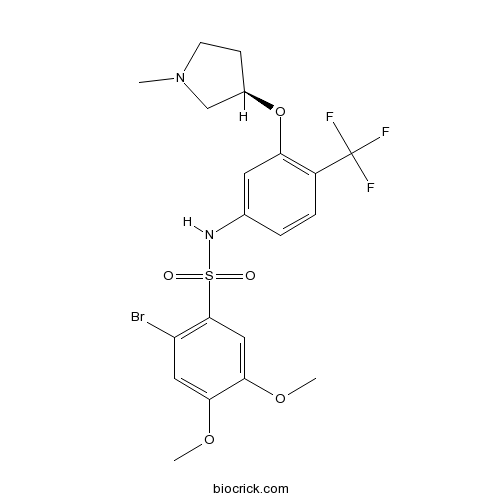
SB 706375
733734-61-7
-
BCC5917
UFP 803
879497-82-2
-
BCC5985
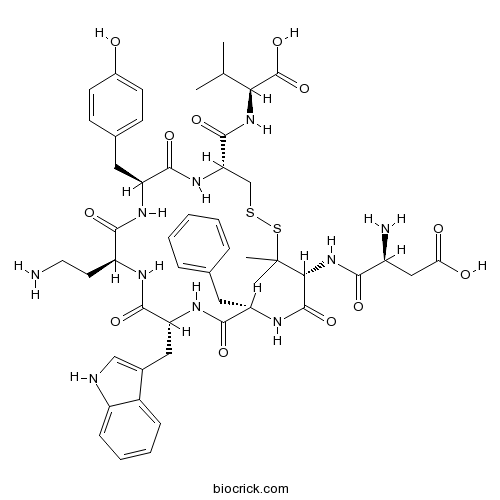
[Orn5]-URP
782485-03-4
![[Orn5]-URP chemical structure](/media/images/struct/BCC5985.png)
-
BCC7705
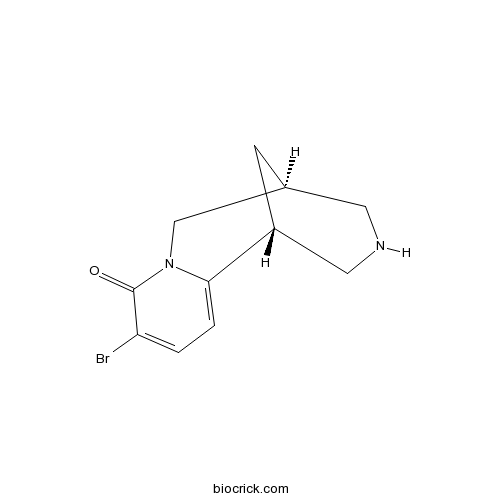
3-Bromocytisine
3-Bromocytisine (3-Br-cytisine) is a potent nACh receptors agonist, with IC50s are 0.28, 0.30 and 31.6 nM for hα4β4, hα4β2, and hα7-nACh, respectively. 3-Bromocytisine (3-Br-cytisine) shows different effects on high (HS) and low (LS) ACh sensitivity α4β2 nAChRs with EC50s are 8 and 50 nM, respectively.