Huntington's Disease Research
Huntington's disease is a neurodegenerative disease characterized by cognitive decline and motor dysfunction. It is a genetic disorder which results in the production of mutant huntingtin protein (mHtt). This protein aggregates in the cell cytoplasm and nucleus, affecting cellular function.
Huntington's Disease Research Products Targets
- Adenosine A2A Receptor (11)
- Caspase (9)
- Ubiquitin-activating Enzyme E1 (3)
- Ubiquitin E2 Conjugating Enzyme (3)
- Ubiquitin E3 Ligase (10)
- Deubiquitinating Enzyme (12)
- Hsp90 (10)
- Hsp70 (4)
- Glutamate (Metabotropic) Group III Receptor (26)
- Glutamate (Metabotropic) Group II Receptor (33)
- Glutamate (Metabotropic) Group I Receptor (54)
- Vesicular Monoamine Transporter (4)
- Sir 2-like Family Deacetylase (9)
- Post-Translational Modification (11)
- NMDA Receptor (87)
- Kainate Receptor (22)
- IP3 Receptor (2)
- ERK (6)
- D2 Receptor (14)
- D1 and D5 Receptor (16)
- Calpain (7)
- Trk Receptor (13)
- Autophagy (44)
- Antioxidant (19)
- Glutamate Transporter (18)
- Dopamine Transporter (20)
- Cathepsin (9)
- Mitochondrial Permeability Transition Pore (3)
- Proteasome (5)
- Histone Deacetylase (19)
- Histone Acetyltransferase (4)
Products for Huntington's Disease Research - Page 42
- Cat.No. Product Name Information/Activity
-
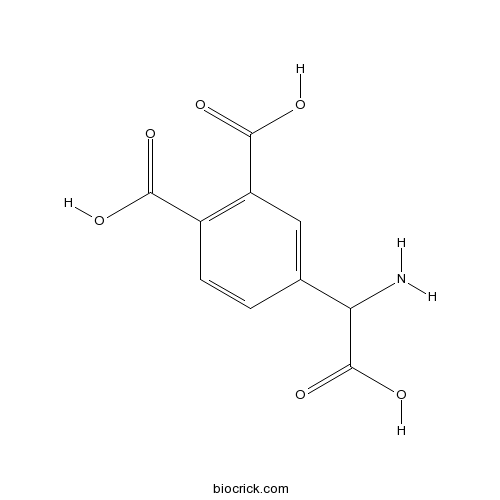
BCC7045
(RS)-3,4-DCPG
176796-64-8
-
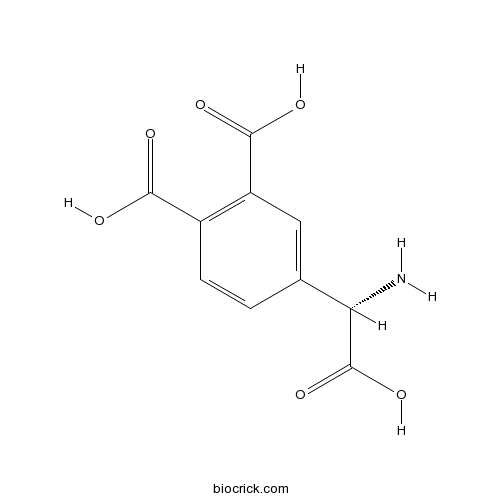
BCC7012
(S)-3,4-DCPG
201730-11-2
-
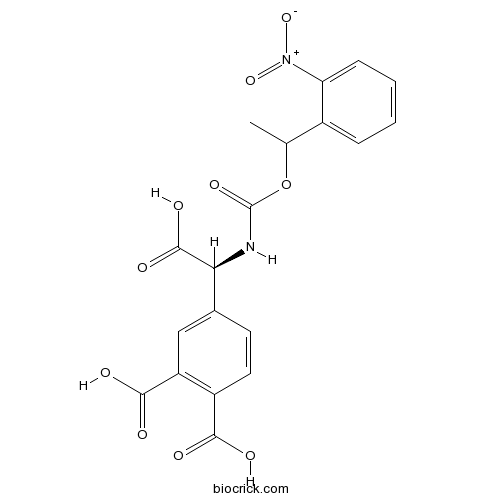
BCC7652
NPEC-caged-(S)-3,4-DCPG
1257323-85-5
-
BCC6578
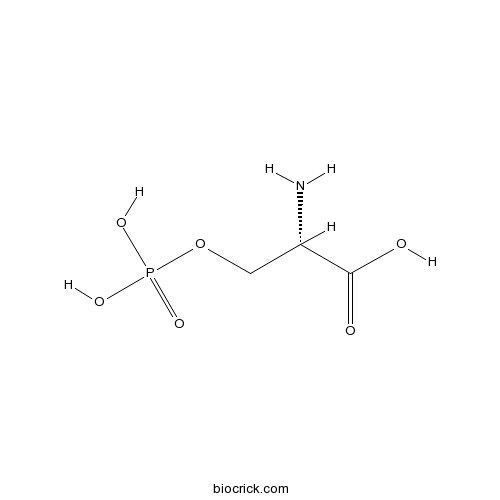
O-Phospho-L-serine
O-Phospho-L-serine is the immediate precursor to L-serine in the serine synthesis pathway, and an agonist at the group III mGluR receptors (mGluR4, mGluR6, mGluR7, and mGluR8); O-Phospho-L-serine also acts as a weak antagonist for mGluR1 and a potent antagonist for mGluR2.
-
BCC6975
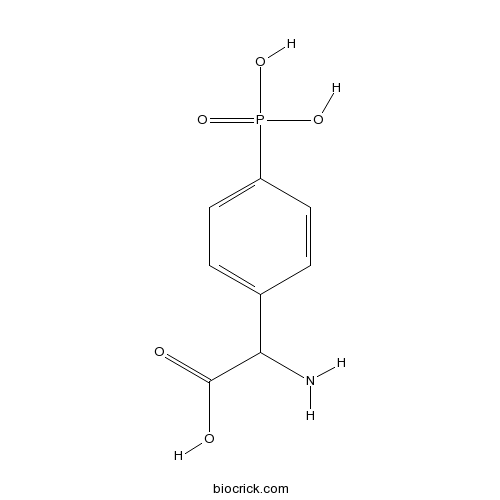
(RS)-PPG
(RS)-PPG is a potent and selective agonist for group III mGluRs. The EC50s of 5.2 μM, 4.7 μM, 185 μM, and 0.2 μM for hmGluR4a, hmGluR6, hmGluR7b, and hmGluR8a, respectively. Anticonvulsive and neuroprotective activity.
-
BCC7615
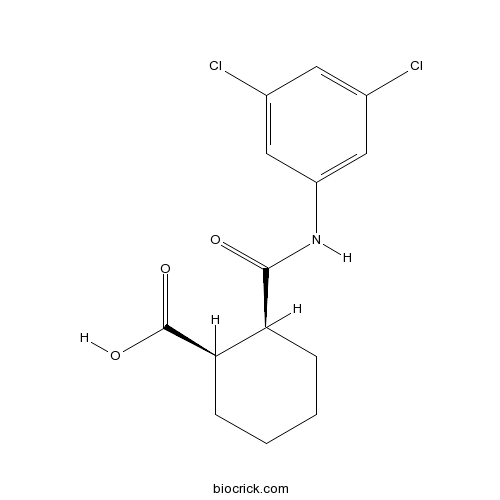
VU 0155041
1093757-42-6
-
BCC7642
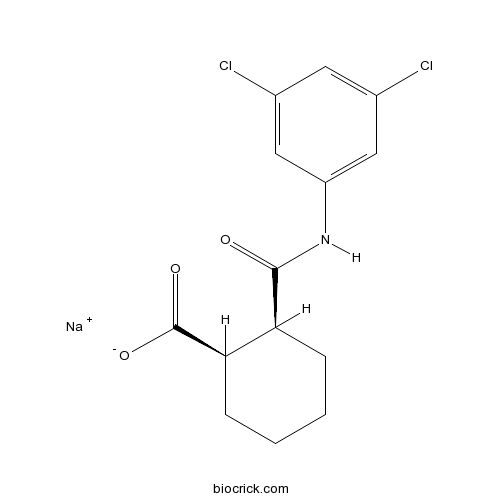
VU 0155041 sodium salt
1259372-69-4
-
BCC7616
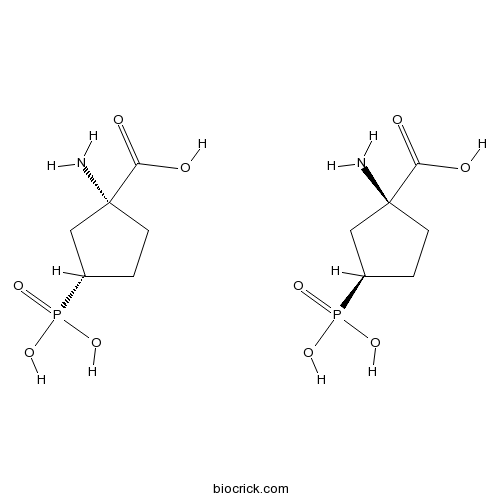
Z-Cyclopentyl-AP4
103439-17-4
-
BCC6872
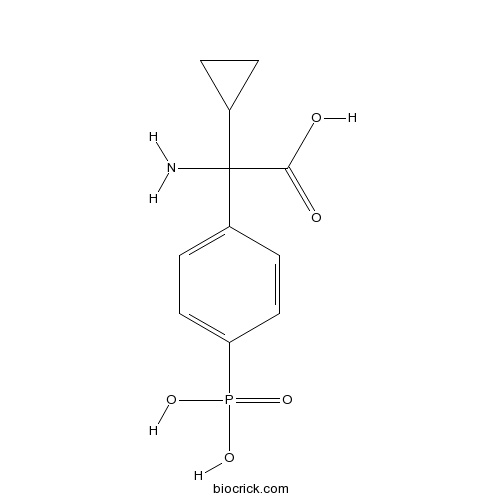
CPPG
CPPG ((RS)-CPPG) is a potent group II/III mGlu receptor antagonist. CPPG exhibits some selectivity (approximately 20 fold) for group III (IC50=2.2 nM) over group II (IC50=46.2 nM) mGlu receptors in the rat cerebral cortex. CPPG has weak effects at group I mGlu receptors.
-
BCC7528
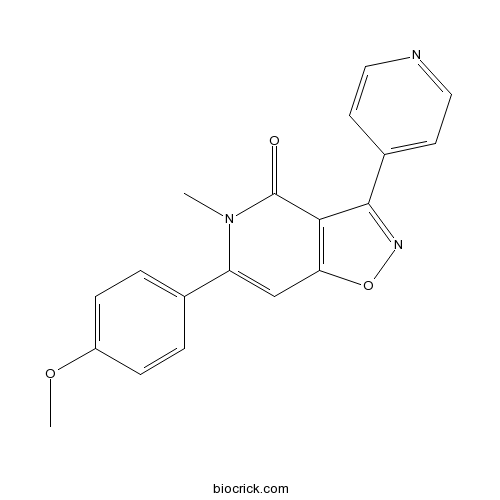
MMPIP hydrochloride
479077-02-6