Ischemia-Reperfusion Injury Research
Ischemia/Reperfusion (I/R) injury is defined as the cellular damage that results from a period of ischemia that is followed by the reestablishment of the blood supply to the infarcted tissue.Myocardial ischemia, also known as cardiac ischemia, is defined as the deprivation of oxygen and nutrients to the heart. This phenomenon occurs during a myocardial infarction, when an occlusive thrombus within a coronary artery prevents blood supply to the myocardium, but can also occur during cardiac surgery as a result of pharmacological intervention to temporarily stop the heart. Reperfusion restores blood supply to ischemic tissue, but this is paradoxically associated with further tissue damage.
Ischemia-Reperfusion Injury Research Products Targets
- Adenosine A2B Receptor (7)
- Adenosine A2A Receptor (11)
- Oxidative Phosphorylation (6)
- NHE (3)
- p53 (20)
- Inhibitor of Apoptosis (3)
- Caspase (9)
- Bcl-2 Family (13)
- Apoptosis Inducing (36)
- 14.3.3 Protein (1)
- Voltage-gated Sodium (NaV) Channel (30)
- Voltage-gated Potassium (KV) Channel (38)
- Others (7)
- Calcium-Sensing Receptor (4)
- Calcium Binding Protein Modulator (18)
- Epithelial Sodium Channel (3)
- Calpain (7)
- Adenosine A3 Receptor (8)
- Adenosine A1 Receptor (12)
- ASK1 (2)
- Acid-Sensing Ion Channel (3)
- Calcium-Activated Potassium (KCa) Channel (19)
- Calcium-Sensitive Protease Modulator (12)
- Inward Rectifier Potassium (Kir) Channel (21)
- NCX (5)
- Mitochondrial Permeability Transition Pore (3)
- Mitochondrial Calcium Uniporter (1)
- Ca2+-ATPase (7)
Products for Ischemia-Reperfusion Injury Research - Page 3
- Cat.No. Product Name Information/Activity
-
BCC6303
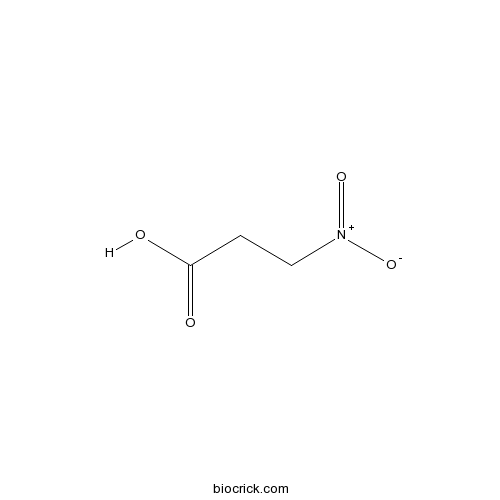
3-Nitropropionic acid
3-Nitropropanoic acid (β-Nitropropionic acid) is an irreversible inhibitor of succinate dehydrogenase. 3-Nitropropanoic acid exhibits potent antimycobacterial activity with a MIC value of 3.3 μM.
-
BCN5412
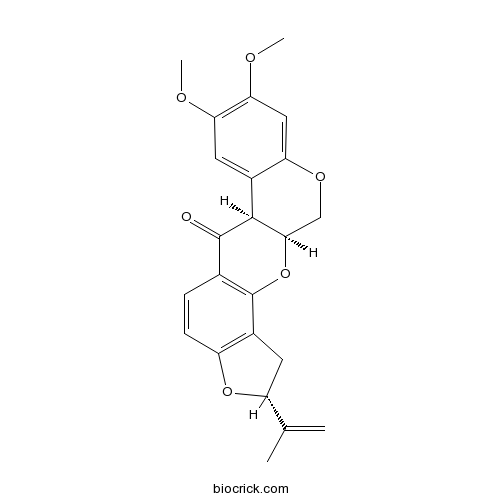
Rotenone
Rotenone is an mitochondrial electron transport chain complex I inhibitor. Rotenone induces apoptosis through enhancing mitochondrial reactive oxygen species production.
-
BCC5658
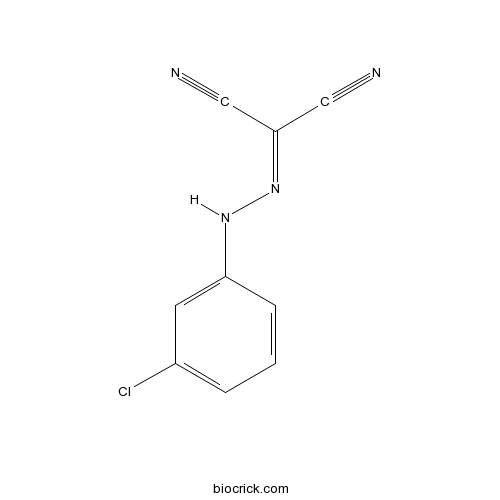
CCCP
CCCP is an oxidative phosphorylation uncoupler. CCCP induces activation of PINK1 leading to Parkin Ser65 phosphorylation.
-
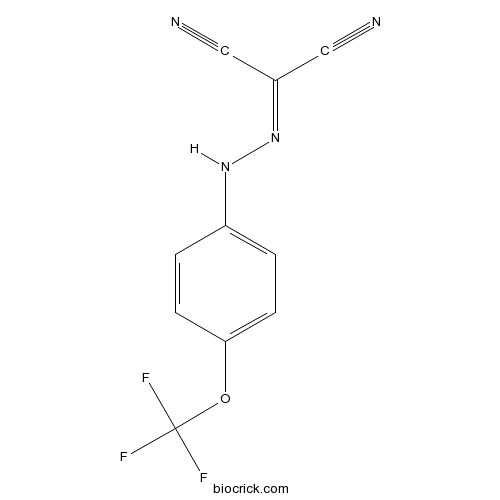
BCC5659
FCCP
FCCP is an uncoupler of oxidative phosphorylation in mitochondria. FCCP induces activation of PINK1 leading to Parkin Ser65 phosphorylation.
-
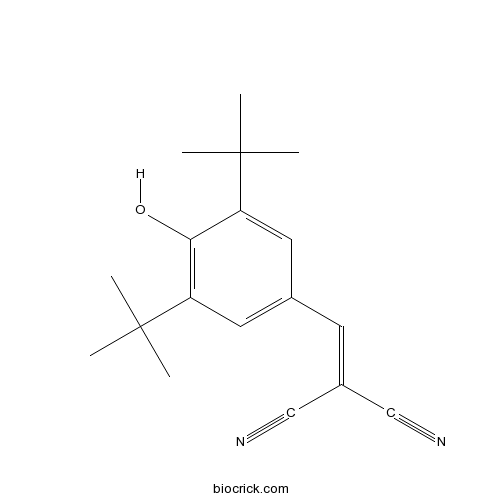
BCC4471
Tyrphostin 9
Tyrphostin A9, a PDGFR inhibitor, is a potent inducer of mitochondrial fission. Tyrphostin A9 emerged as the most potent and selective of 51 tyrosine kinase inhibitors tested against the TNF-induced respiratory burst. Tyrphostin A9 has anti-influenza virus activities.
-
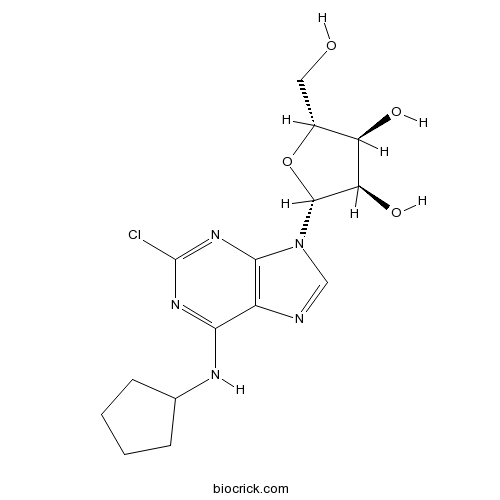
BCC7161
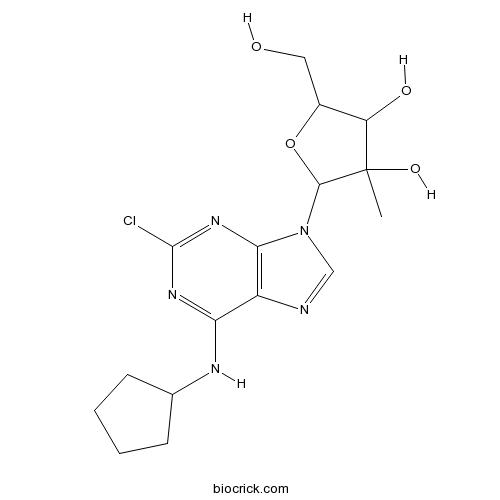
2-Chloro-N6-cyclopentyladenosine
Potent, selective A<sub>1</sub> agonist
-
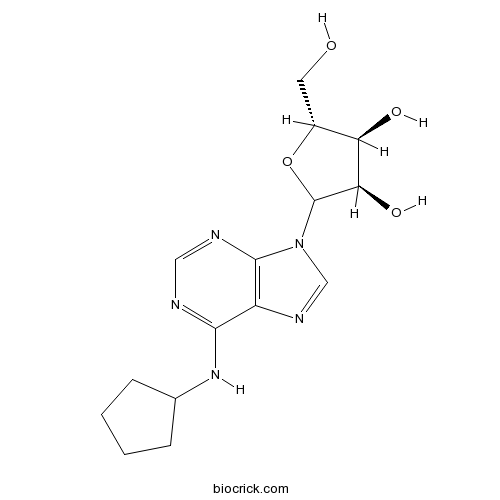
BCC7160
N6-Cyclopentyladenosine
N6-Cyclopentyladenosine (CPA) is a selective Adenosine A1 receptor agonist, with Ki values of 2.3 nM, 790 nM and 43 nM for human A1, A2A and A3 receptors, respectively.
-
BCC7716
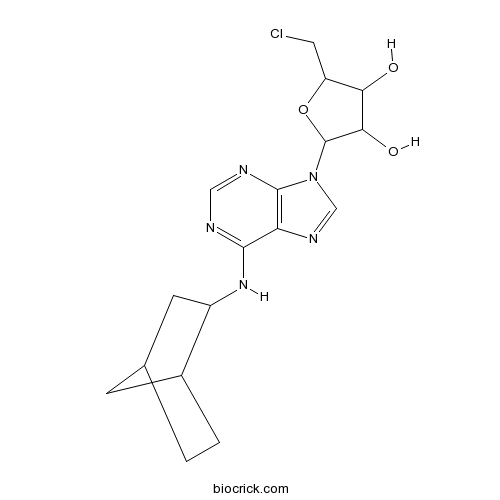
(±)-5'-Chloro-5'-deoxy-ENBA
Highly selective A<sub>1</sub> agonist
-
BCC7215
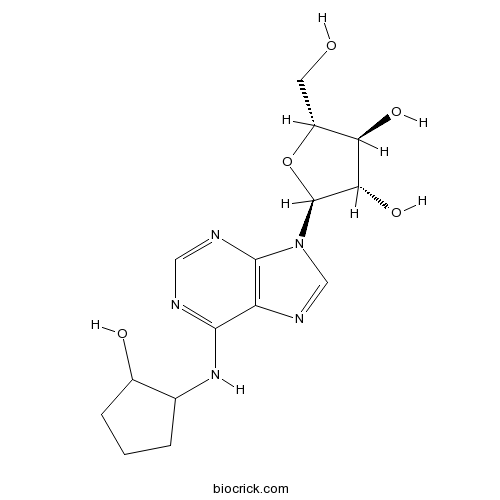
GR 79236
GR79236 is a highly potent and selective adenosine A1 receptor agonist (Ki = 3.1 nM) that has analgesic and anti-inflammatory actions in humans and animals.
-
BCC7311
2'-MeCCPA
205171-12-6