Ischemia-Reperfusion Injury Research
Ischemia/Reperfusion (I/R) injury is defined as the cellular damage that results from a period of ischemia that is followed by the reestablishment of the blood supply to the infarcted tissue.Myocardial ischemia, also known as cardiac ischemia, is defined as the deprivation of oxygen and nutrients to the heart. This phenomenon occurs during a myocardial infarction, when an occlusive thrombus within a coronary artery prevents blood supply to the myocardium, but can also occur during cardiac surgery as a result of pharmacological intervention to temporarily stop the heart. Reperfusion restores blood supply to ischemic tissue, but this is paradoxically associated with further tissue damage.
Ischemia-Reperfusion Injury Research Products Targets
- Adenosine A2B Receptor (7)
- Adenosine A2A Receptor (11)
- Oxidative Phosphorylation (6)
- NHE (3)
- p53 (20)
- Inhibitor of Apoptosis (3)
- Caspase (9)
- Bcl-2 Family (13)
- Apoptosis Inducing (36)
- 14.3.3 Protein (1)
- Voltage-gated Sodium (NaV) Channel (30)
- Voltage-gated Potassium (KV) Channel (38)
- Others (7)
- Calcium-Sensing Receptor (4)
- Calcium Binding Protein Modulator (18)
- Epithelial Sodium Channel (3)
- Calpain (7)
- Adenosine A3 Receptor (8)
- Adenosine A1 Receptor (12)
- ASK1 (2)
- Acid-Sensing Ion Channel (3)
- Calcium-Activated Potassium (KCa) Channel (19)
- Calcium-Sensitive Protease Modulator (12)
- Inward Rectifier Potassium (Kir) Channel (21)
- NCX (5)
- Mitochondrial Permeability Transition Pore (3)
- Mitochondrial Calcium Uniporter (1)
- Ca2+-ATPase (7)
Products for Ischemia-Reperfusion Injury Research - Page 8
- Cat.No. Product Name Information/Activity
-
BCC1170
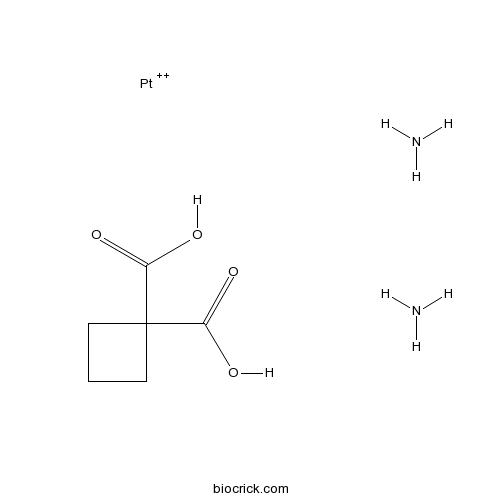
Carboplatin
Carboplatin (NSC 241240) is a DNA synthesis inhibitor which binds to DNA, inhibits replication and transcription and induces cell death. Carboplatin (NSC 241240) is a derivative of CDDP and a potent anti-cancer agent.
-
BCC8017
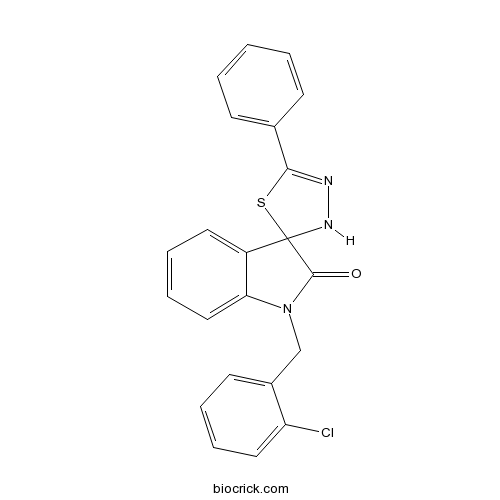
CFM 4
331458-02-7
-
BCC2387
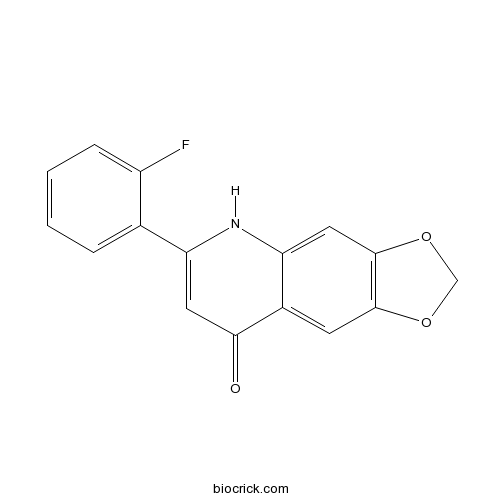
CHM 1
Potent antitumor agent; inducer of apoptosis
-
BCN1552
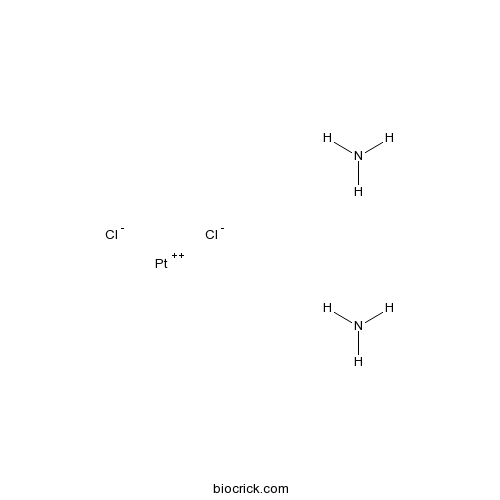
Cisplatin
Potent pro-apoptotic anticancer agent; activates caspase-3,Cisplatin is an inorganic platinum complex, which is able to inhibit DNA synthesis by conforming DNA adducts in tumor cells.
-
BCC1173
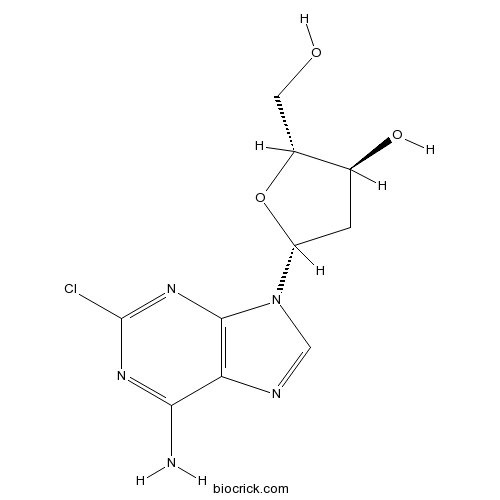
Cladribine
Cladribine is an adenosine deaminase inhibitor used to treat hairy cell leukemia and multiple sclerosis.
-
BCN5504
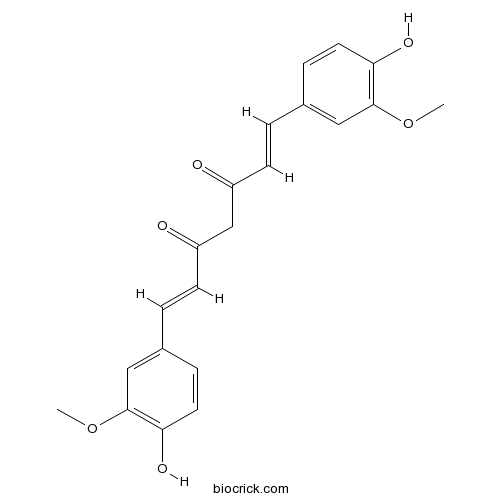
Curcumin
Curcumin (Diferuloylmethane), a natural phenolic compound, is a p300/CREB-binding protein-specific inhibitor of acetyltransferase, represses the acetylation of histone/nonhistone proteins and histone acetyltransferase-dependent chromatin transcription. Curcumin shows inhibitory effects on NF-κB and MAPKs, and has diverse pharmacologic effects including anti-inflammatory, antioxidant, antiproliferative and antiangiogenic activities.
-
BCC1185
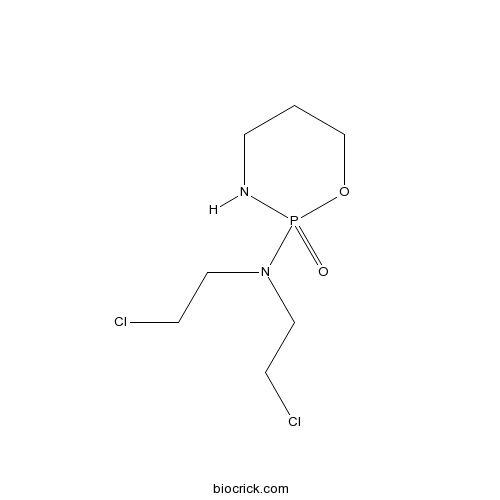
Cyclophosphamide
Cyclophosphamide is a synthetic alkylating agent chemically related to the nitrogen mustards with antineoplastic activity, a immunosuppressant.
-
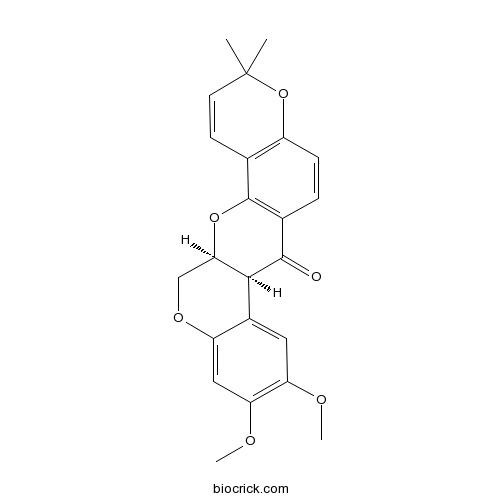
BCN4804
Deguelin
Deguelin, a naturally occurring rotenoid, is a potent PI3K/AKT inhibitor.
-
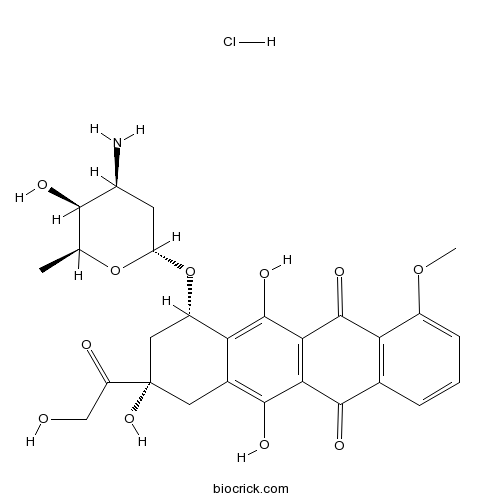
BCC1117
Doxorubicin (Adriamycin) HCl
Doxorubicin hydrochloride (Hydroxydaunorubicin hydrochloride), a cytotoxic anthracycline antibiotic, is an anti-cancer chemotherapy agent. Doxorubicin hydrochloride inhibits topoisomerase II with an IC50 of 2.67 μM, thus stopping DNA replication. Doxorubicin hydrochloride reduces basal phosphorylation of AMPK and its downstream target acetyl-CoA carboxylase. Doxorubicin hydrochloride induces apoptosis and autophagy. Doxorubicin hydrochloride inhibits human DNA topoisomerase I with an IC50 of 0.8 μM.
-
BCC2518
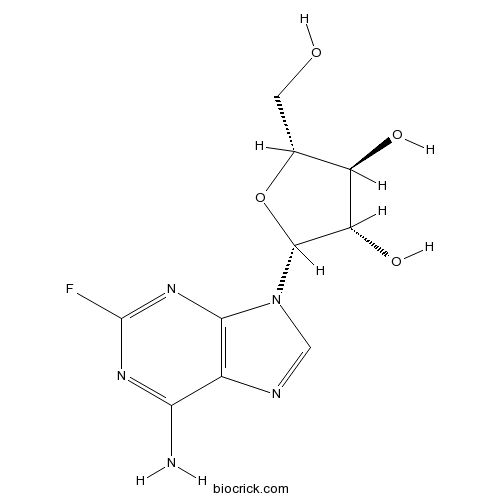
Fludarabine
Fludarabine (NSC 118218) is a DNA synthesis inhibitor, which also inhibits phosphorylation of STAT1. Fludarabine, a pro-drug, is converted metabolically by dephosphorylation to the antimetabolite, F-ara-A.