Ischemia-Reperfusion Injury Research
Ischemia/Reperfusion (I/R) injury is defined as the cellular damage that results from a period of ischemia that is followed by the reestablishment of the blood supply to the infarcted tissue.Myocardial ischemia, also known as cardiac ischemia, is defined as the deprivation of oxygen and nutrients to the heart. This phenomenon occurs during a myocardial infarction, when an occlusive thrombus within a coronary artery prevents blood supply to the myocardium, but can also occur during cardiac surgery as a result of pharmacological intervention to temporarily stop the heart. Reperfusion restores blood supply to ischemic tissue, but this is paradoxically associated with further tissue damage.
Ischemia-Reperfusion Injury Research Products Targets
- Adenosine A2B Receptor (7)
- Adenosine A2A Receptor (11)
- Oxidative Phosphorylation (6)
- NHE (3)
- p53 (20)
- Inhibitor of Apoptosis (3)
- Caspase (9)
- Bcl-2 Family (13)
- Apoptosis Inducing (36)
- 14.3.3 Protein (1)
- Voltage-gated Sodium (NaV) Channel (30)
- Voltage-gated Potassium (KV) Channel (38)
- Others (7)
- Calcium-Sensing Receptor (4)
- Calcium Binding Protein Modulator (18)
- Epithelial Sodium Channel (3)
- Calpain (7)
- Adenosine A3 Receptor (8)
- Adenosine A1 Receptor (12)
- ASK1 (2)
- Acid-Sensing Ion Channel (3)
- Calcium-Activated Potassium (KCa) Channel (19)
- Calcium-Sensitive Protease Modulator (12)
- Inward Rectifier Potassium (Kir) Channel (21)
- NCX (5)
- Mitochondrial Permeability Transition Pore (3)
- Mitochondrial Calcium Uniporter (1)
- Ca2+-ATPase (7)
Products for Ischemia-Reperfusion Injury Research - Page 22
- Cat.No. Product Name Information/Activity
-
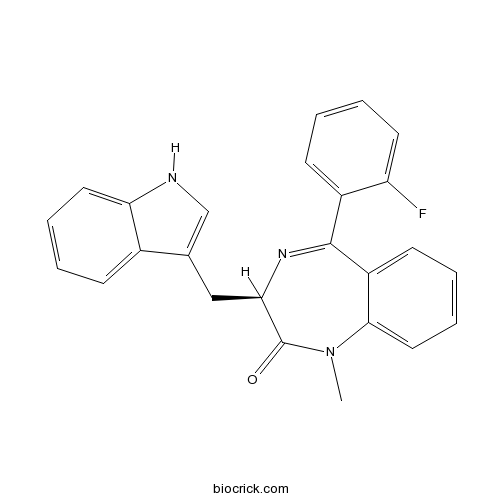
BCC7445
L-364,373
103342-82-1
-
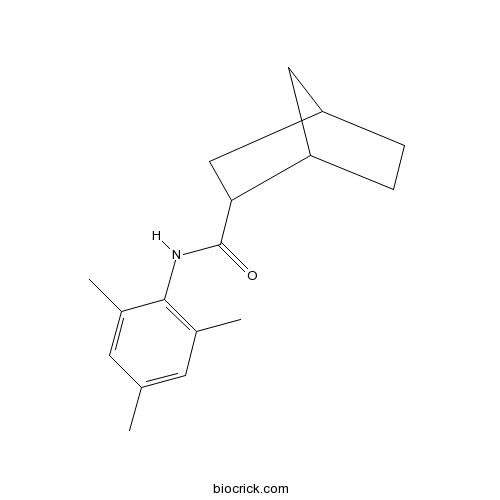
BCC6213
ML 213
ML213 is a selective activator of Kv7.2 and Kv7.4 channels, enhances Kv7.2 and Kv7.4 channels with EC50s of 230 and 510 nM, respectively.
-
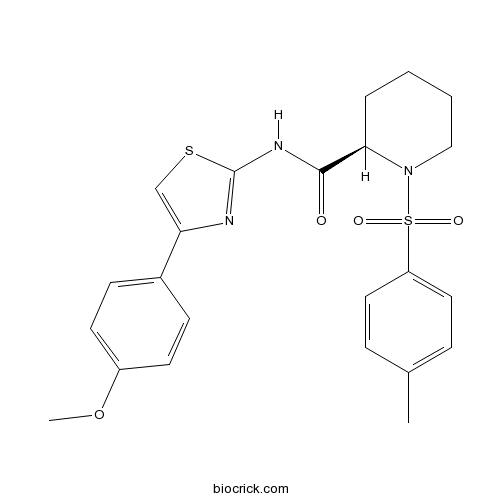
BCC7976
ML 277
ML277(CID53347902) is a novel, potent and selective K(v)7.1 (KCNQ1) potassium channel activator with EC50 of 270 nM.
-
BCC7552
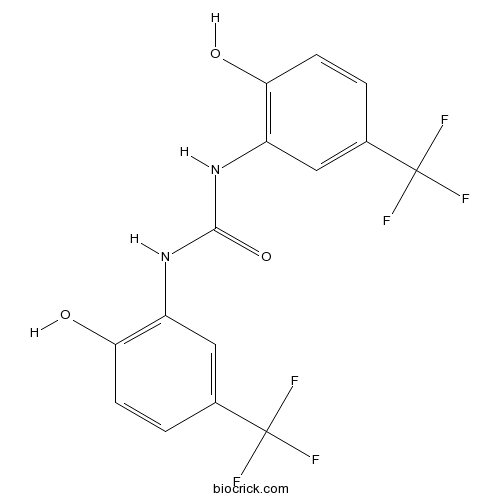
NS 1643
NS1643 is a partial agonist of human ether-a-go-go-related gene (hERG) K(+) channels with an EC50 of 10.5 μM.
-
BCC6190
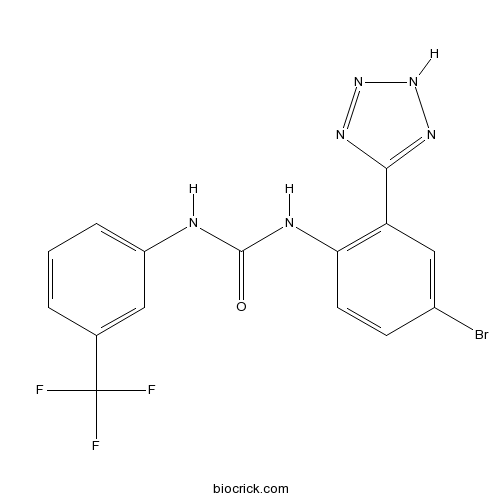
NS 3623
NS3623 is an activator of human ether-a-go-go-related gene (hERG1/KV11.1) potassium channels. NS3623 activates the IKr and Ito currents and has antiarrhythmic effect. NS3623 has a dual mode of action, being an inhibitor of hERG1 channels.
-
BCC7872
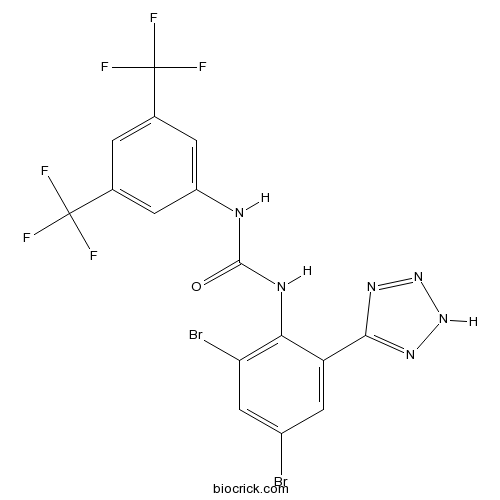
NS 5806
NS5806, a potent potassium current activator, increases KV4.3/KChIP2 peak current amplitudes with an EC50 of 5.3 μM. NS5806 slows KV4.3 and KV4.2 current dacay in channel complexes containing KChIP2.
-
BCC7499
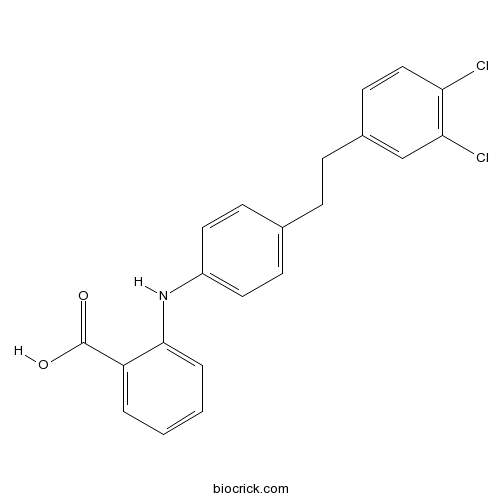
PD 118057
PD-118057 is a human ether-a-go-go-related gene (hERG) channel activator that does not cause hERG blockade.
-
BCC8026
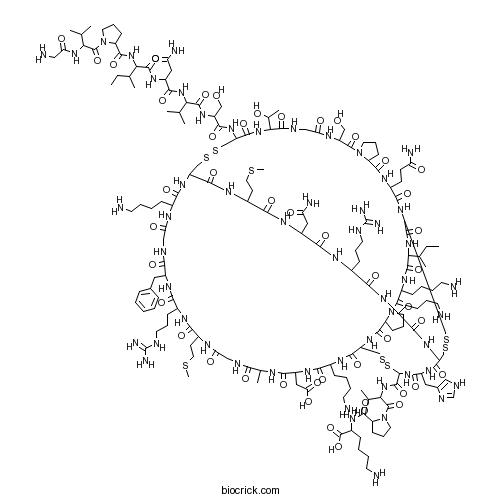
Agitoxin 2
168147-41-9
-
BCC6825
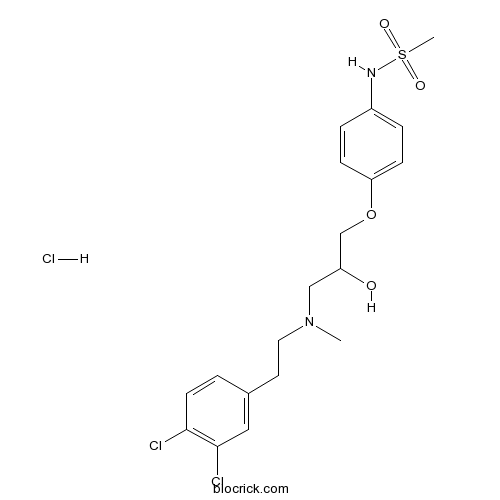
AM 92016 hydrochloride
AM-92016 hydrochloride is a specific blocker of rectifier potassium current (IK). AM-92016 hydrochloride delays rectifier potassium channel (IK), repolarizes the membrane thereby restricting the duration of the nerve impulse thereby restricting the duration of the nerve impulse.
-
BCC5267
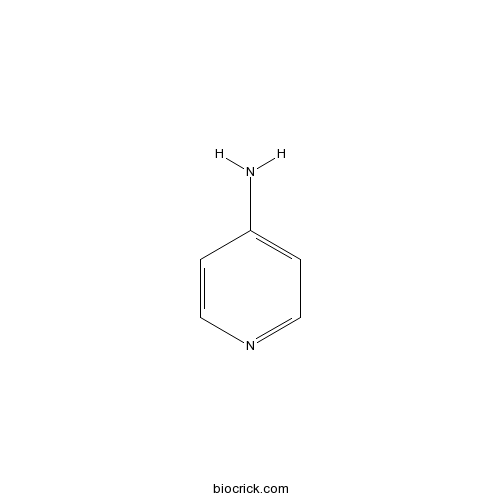
4-Aminopyridine
4-Aminopyridine is a nonselective K+ channel blocker that binds from the cytoplasmic side of the cell membrane.