Ischemia-Reperfusion Injury Research
Ischemia/Reperfusion (I/R) injury is defined as the cellular damage that results from a period of ischemia that is followed by the reestablishment of the blood supply to the infarcted tissue.Myocardial ischemia, also known as cardiac ischemia, is defined as the deprivation of oxygen and nutrients to the heart. This phenomenon occurs during a myocardial infarction, when an occlusive thrombus within a coronary artery prevents blood supply to the myocardium, but can also occur during cardiac surgery as a result of pharmacological intervention to temporarily stop the heart. Reperfusion restores blood supply to ischemic tissue, but this is paradoxically associated with further tissue damage.
Ischemia-Reperfusion Injury Research Products Targets
- Adenosine A2B Receptor (7)
- Adenosine A2A Receptor (11)
- Oxidative Phosphorylation (6)
- NHE (3)
- p53 (20)
- Inhibitor of Apoptosis (3)
- Caspase (9)
- Bcl-2 Family (13)
- Apoptosis Inducing (36)
- 14.3.3 Protein (1)
- Voltage-gated Sodium (NaV) Channel (30)
- Voltage-gated Potassium (KV) Channel (38)
- Others (7)
- Calcium-Sensing Receptor (4)
- Calcium Binding Protein Modulator (18)
- Epithelial Sodium Channel (3)
- Calpain (7)
- Adenosine A3 Receptor (8)
- Adenosine A1 Receptor (12)
- ASK1 (2)
- Acid-Sensing Ion Channel (3)
- Calcium-Activated Potassium (KCa) Channel (19)
- Calcium-Sensitive Protease Modulator (12)
- Inward Rectifier Potassium (Kir) Channel (21)
- NCX (5)
- Mitochondrial Permeability Transition Pore (3)
- Mitochondrial Calcium Uniporter (1)
- Ca2+-ATPase (7)
Products for Ischemia-Reperfusion Injury Research - Page 23
- Cat.No. Product Name Information/Activity
-
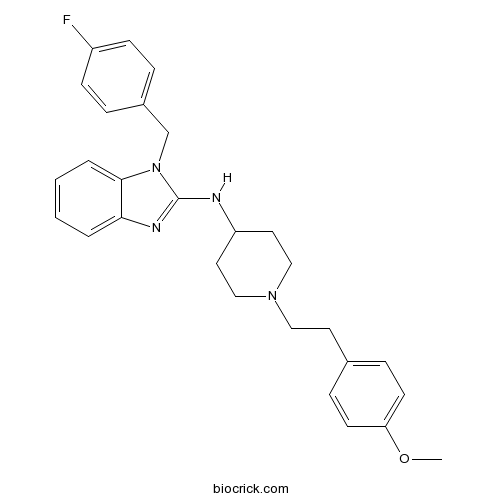
BCC7691
Astemizole
Astemizole (R 43512), a second-generation antihistamine drug to diminish allergic symptoms with a long duration of action, is a histamine H1-receptor antagonist, with an IC50 of 4 nM. Astemizole also shows potent hERG K+ channel blocking activity with an IC50 of 0.9 nM. Astemizole has antipruritic effects.
-
BCC5456
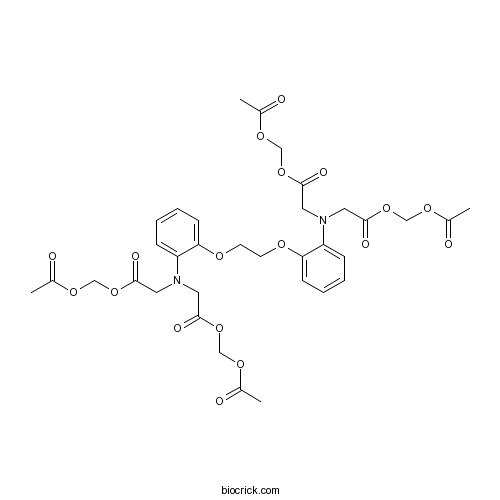
BAPTA-AM
BAPTA-AM is a well-known membrane permeable Ca2+ chelator. BAPTA-AM inhibits hERG channels, hKv1.3 and hKv1.5 channels in HEK 293 cells with IC50s of 1.3 μM, 1.45 μM and 1.23 μM, respectively.
-
BCC7055
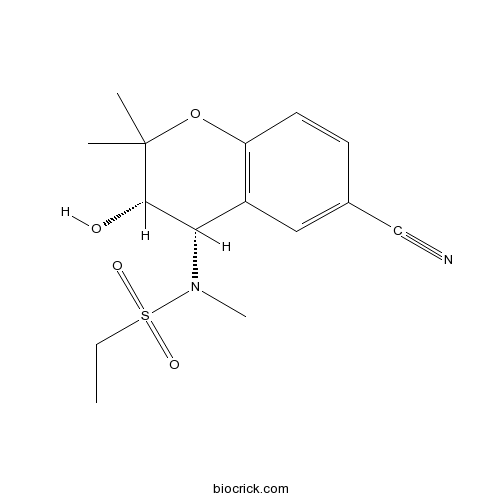
Chromanol 293B
163163-23-3
-
BCC7080
(-)-[3R,4S]-Chromanol 293B
163163-24-4
![(-)-[3R,4S]-Chromanol 293B chemical structure](/media/images/struct/BCC7080.png)
-
BCC7048
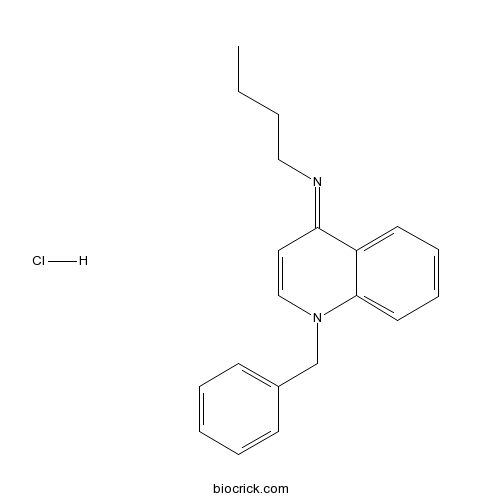
CP 339818 hydrochloride
478341-55-8
-
BCC3770
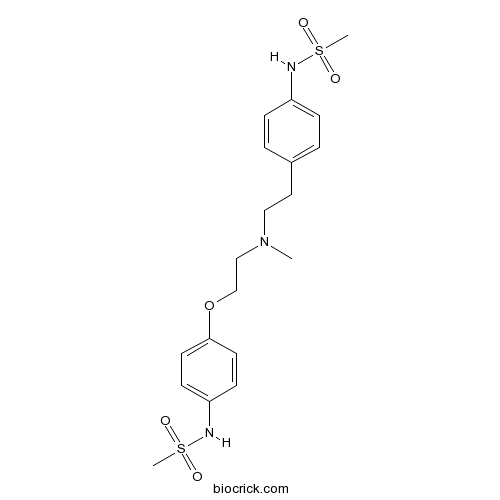
Dofetilide
Dofetilide(Tikosyn) is a class III antiarrhythmic agent.
-
BCC7398
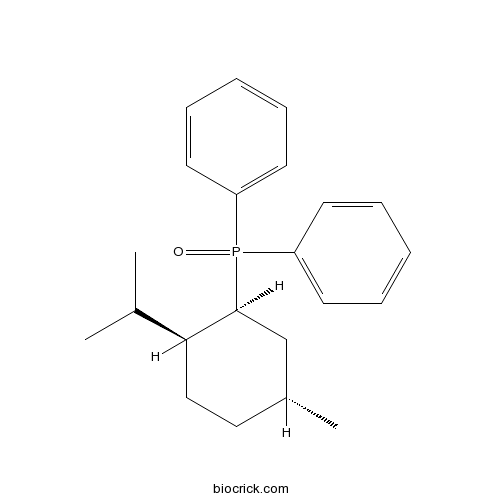
DPO-1
43077-30-1
-
BCC7182
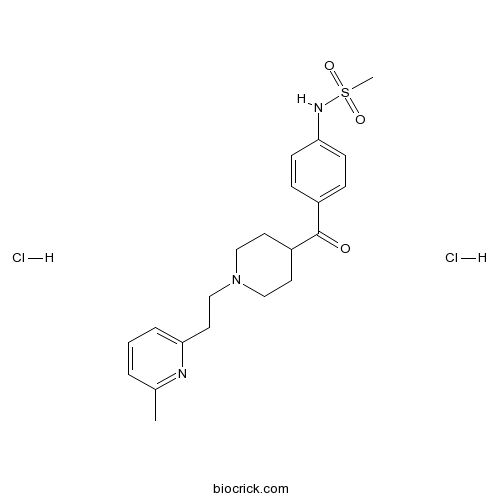
E-4031 dihydrochloride
E-4031 is a class III antiarrhythmic agent which selectively blocks hERG potassium channel.
-
BCC7806
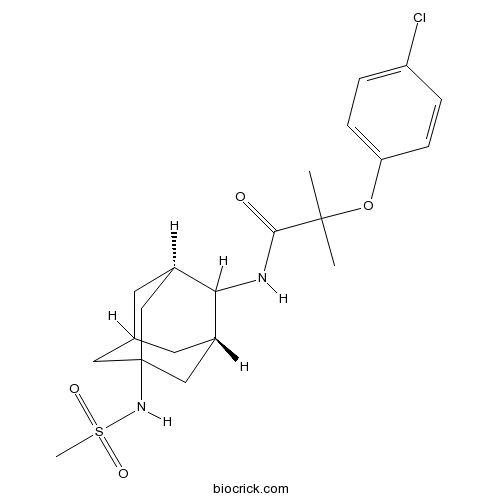
JNJ 303
JNJ 303 is a potent IKs blocker with an IC50 value of 64 nM. JNJ 303 does not have any effects on other cardiac channels at concentrations of 3.3 μM for INa, Ica, Ito, and IKr. JNJ 303 induces QT-prolongations and causes unprovoked torsades de pointes (TdP).
-
BCC7231
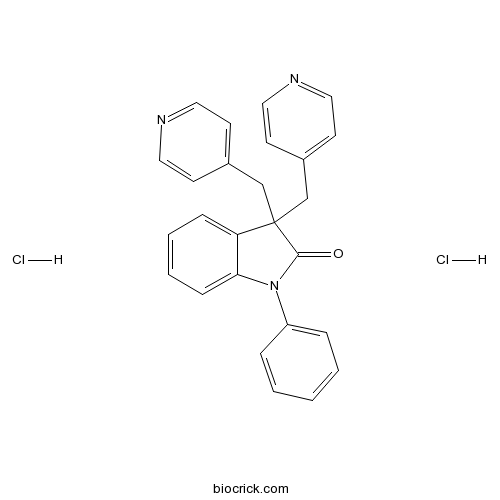
Linopirdine dihydrochloride
113168-57-3