Atherosclerosis Research
Atherosclerosis is a disease of the arterial system that is characterized by the accumulation of fatty deposits within arterial walls, known as 'atherosclerotic plaques'.
Atherosclerosis Research Products Targets
- PI 3-kinase (22)
- HMG-CoA Reductase (8)
- Matrix Metalloprotease (16)
- LXR-like Receptor (6)
- Elastase (1)
- Cell Adhesion Molecule (21)
- Lipoxygenase (8)
- Leukotriene and Related Receptor (13)
- Others (7)
- Cytokine Receptor (4)
- Cyclooxygenase (24)
- IRAK (1)
- PPARγ (16)
- PPARδ (5)
- PPARα (7)
- Angiotensin-Converting Enzyme (8)
- Chemokine CXC Receptor (9)
- Chemokine CC Receptor (13)
- NO donors and precursors (9)
- nNOS (5)
- iNOS (11)
- eNOS (1)
- Urotensin-II Receptor (8)
- Angiotensin AT2 Receptor (3)
- Angiotensin AT1 Receptor (9)
- SREBP (2)
- GPBA Receptor (3)
- Phospholipase (16)
- Prostanoid Receptor (24)
- Cytokine (15)
- Platelet-Activating Factor (PAF) Receptor (5)
Products for Atherosclerosis Research - Page 17
- Cat.No. Product Name Information/Activity
-
BCC1244
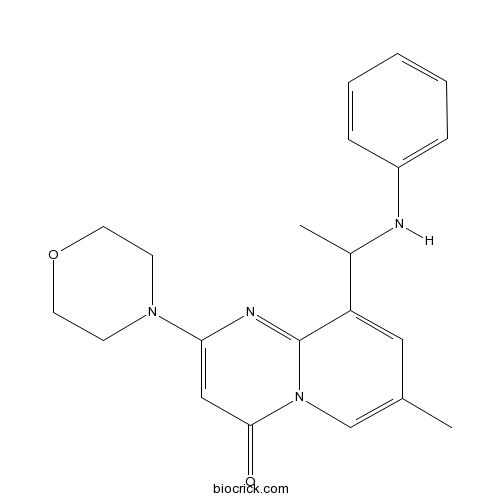
TGX-221
TGX-221 is a potent, selective, and cell membrane permeable inhibitor of the PI3K p110β catalytic subunit, used for cancer treatment.
-
BCC3874
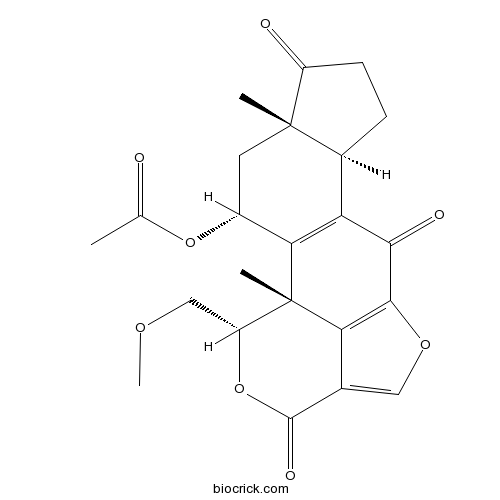
Wortmannin
Wortmannin (SL-2052; KY-12420) is a potent, selective and irreversible PI3K inhibitor with an IC50 of 3 nM. Wortmannin also blocks autophagy formation, and potently inhibits Polo-like kinase 1 (PlK1) and Plk3 with IC50s of 5.8 and 48 nM, respectively.
-
BCC5861
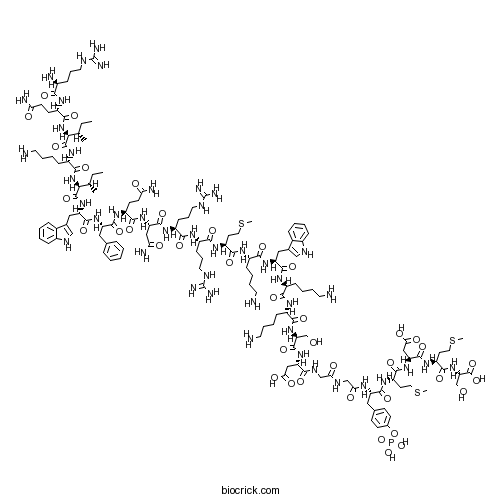
740 Y-P
740 Y-P (PDGFR 740Y-P) is a potent and cell permeable PI3K activator.
-
BCC7522
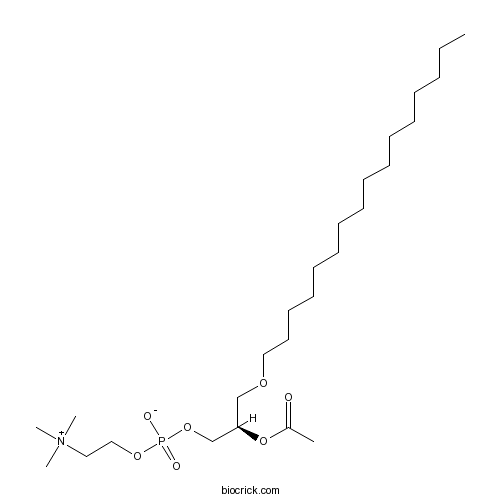
PAF (C16)
Endogenous platelet-activating factor (PAF)
-
BCN1682
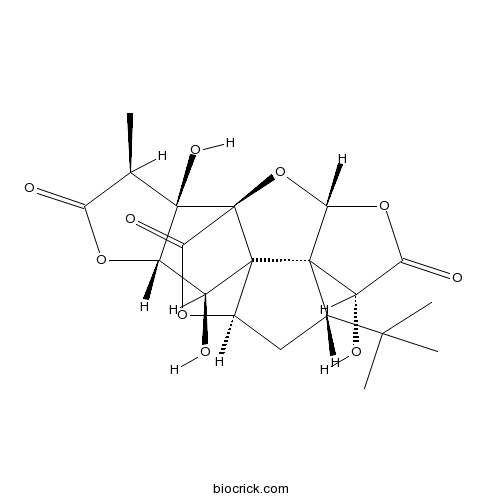
Ginkgolide B
Ginkgolide B (BN-52021), an important active terpenoid from Ginkgo biloba leaves, is reported to increase cell viability and decrease cell apoptosis.
-
BCC6699
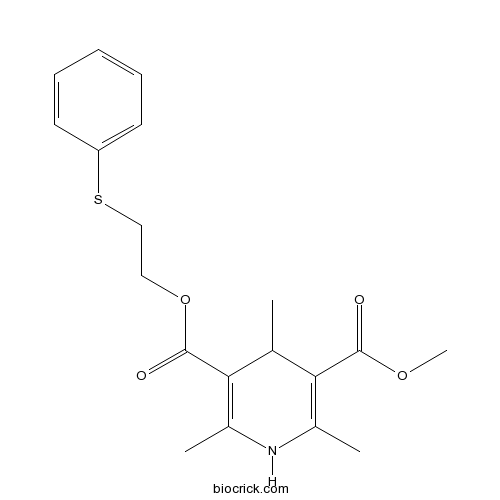
PCA 4248
123875-01-4
-
BCC7335
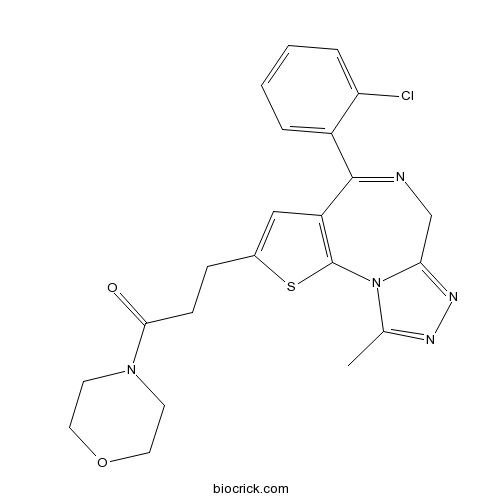
WEB 2086
Apafant (WEB 2086), a potent platelet-activating factor (PAF) antagonist, inhibits PAF binding to human PAF receptors with a Ki of 9.9 nM.
-
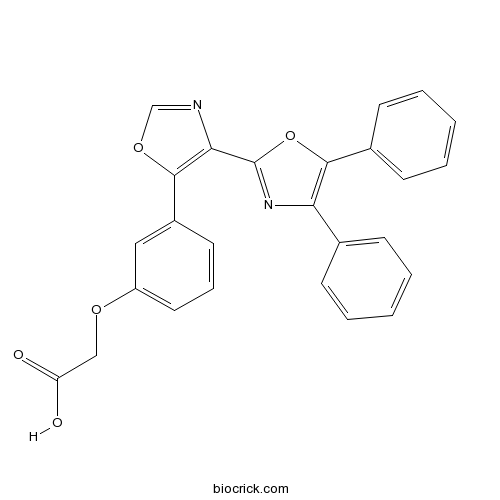
BCC7068
BMY 45778
Non-prostanoid prostacyclin IP receptor partial agonist
-
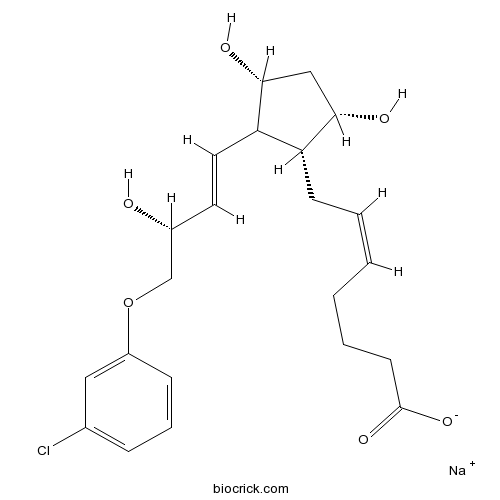
BCC7315
(±)-Cloprostenol sodium salt
Cloprostenol sodium salt (ICI 80996 sodium salt) is a potent synthetic prostaglandin analogue, acts as a luteolytic agent, and is a PGF2α receptor agonist.
-
BCC7843
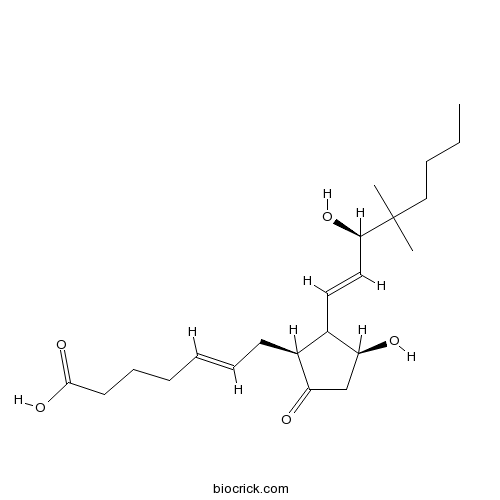
16,16-Dimethyl Prostaglandin E2
16,16-Dimethyl prostaglandin E2 (16,16-dimethyl PGE2) is an orally active vertebrate Hematopoietic stem cells (HSCs) homeostasis critical regulator. 16,16-Dimethyl prostaglandin E2 can act through EP2/EP4 and has an interaction with the Wnt pathway.