Atherosclerosis Research
Atherosclerosis is a disease of the arterial system that is characterized by the accumulation of fatty deposits within arterial walls, known as 'atherosclerotic plaques'.
Atherosclerosis Research Products Targets
- PI 3-kinase (22)
- HMG-CoA Reductase (8)
- Matrix Metalloprotease (16)
- LXR-like Receptor (6)
- Elastase (1)
- Cell Adhesion Molecule (21)
- Lipoxygenase (8)
- Leukotriene and Related Receptor (13)
- Others (7)
- Cytokine Receptor (4)
- Cyclooxygenase (24)
- IRAK (1)
- PPARγ (16)
- PPARδ (5)
- PPARα (7)
- Angiotensin-Converting Enzyme (8)
- Chemokine CXC Receptor (9)
- Chemokine CC Receptor (13)
- NO donors and precursors (9)
- nNOS (5)
- iNOS (11)
- eNOS (1)
- Urotensin-II Receptor (8)
- Angiotensin AT2 Receptor (3)
- Angiotensin AT1 Receptor (9)
- SREBP (2)
- GPBA Receptor (3)
- Phospholipase (16)
- Prostanoid Receptor (24)
- Cytokine (15)
- Platelet-Activating Factor (PAF) Receptor (5)
Products for Atherosclerosis Research - Page 29
- Cat.No. Product Name Information/Activity
-
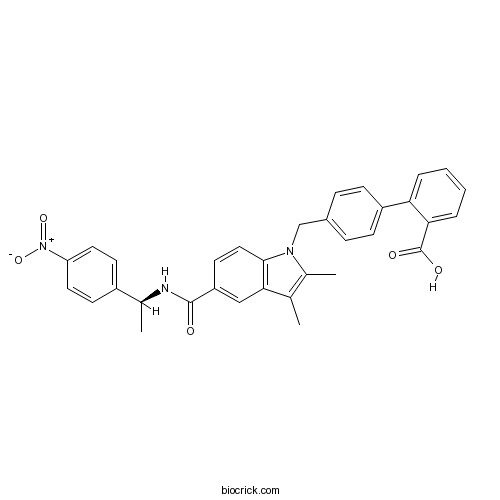
BCC7751
S26948
353280-43-0
-
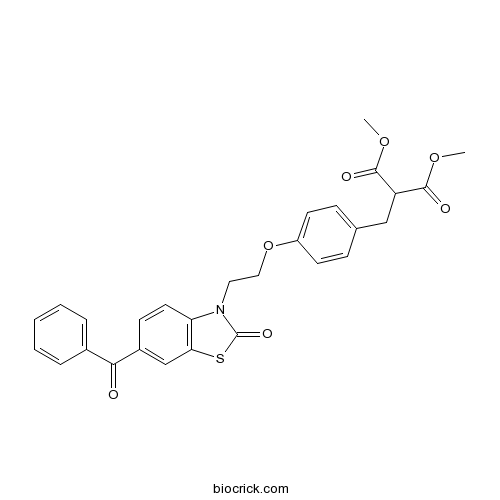
BCC2016
Troglitazone
Troglitazone is a PPARγ agonist, with EC50s of 550 nM and 780 nM for human and murine PPARγ receptor, respectively.
-
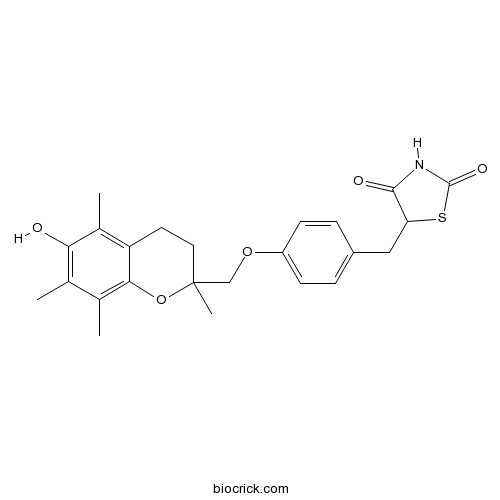
BCC7022
BADGE
1675-54-3
-
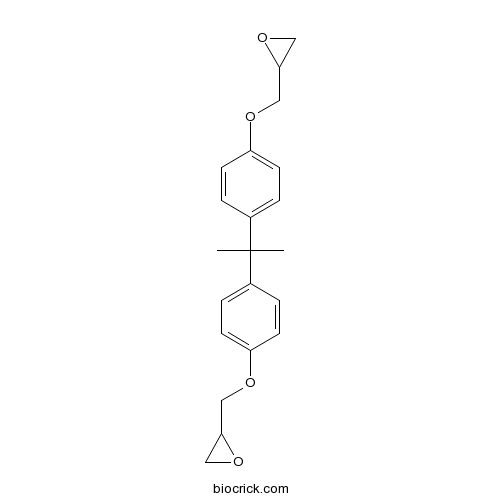
BCC2260
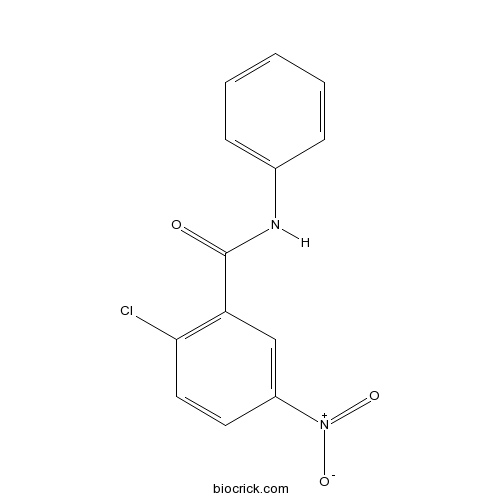
GW9662
GW9662 is a potent and selective PPARγ antagonist with an IC50 of 3.3 nM, showing 10 and 1000-fold selectivity over PPARα and PPARδ, respectively.
-
BCC7243
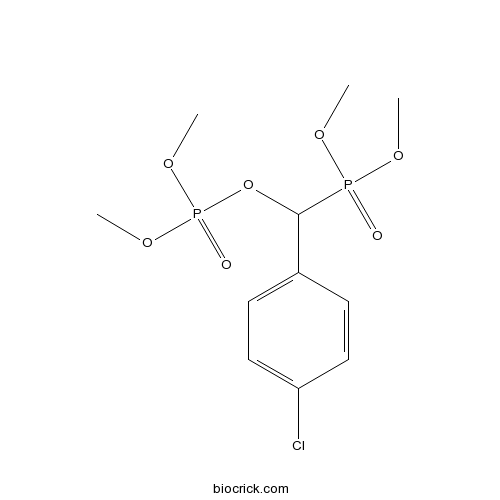
SR 202
Mifobate (SR-202) is a potent and specific PPARγ antagonist. Mifobate (SR-202) selectively inhibits Thiazolidinedione (TZD)-induced PPARγ transcriptional activity (IC50=140 μM). Mifobate (SR-202) does not affect basal or ligand-stimulated transcriptional activity of PPARα, PPARβ, or the farnesoid X receptor (FXR). Mifobate (SR-202) shows antiobesity and antidiabetic effects.
-
BCC2261
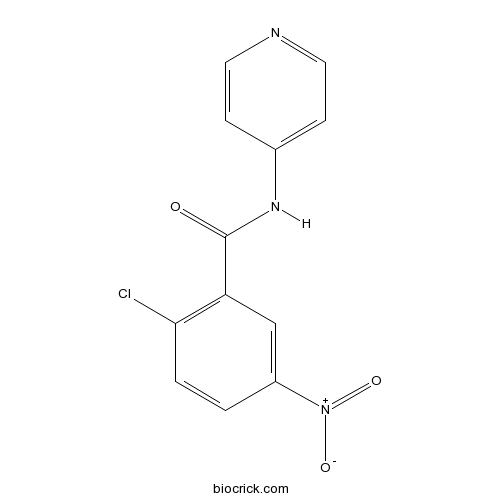
T0070907
T0070907 is a potent PPARγ antagonist with a Ki of 1 nM.
-
BCN5499
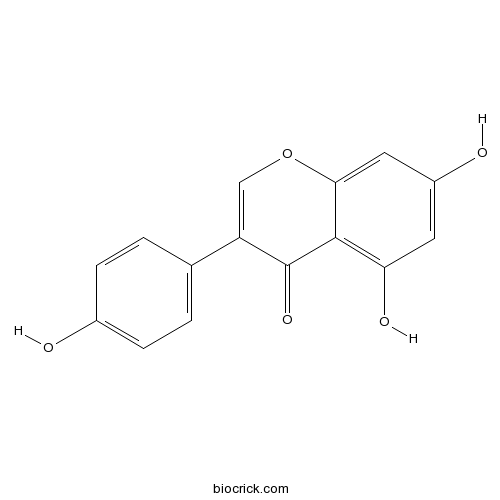
Genistein
Genistein, a soy isoflavone, is a multiple tyrosine kinases (e.g., EGFR) inhibitor which acts as a chemotherapeutic agent against different types of cancer, mainly by altering apoptosis, the cell cycle, and angiogenesis and inhibiting metastasis.
-
BCC6166
SR 1664
1338259-05-4