Cancer Research
Cancer is a term used to define a group of diseases in which abnormal cells divide without control, are able to invade neighboring tissues/organs and metastasize. Cancer has been characterized by six hallmarks; self sufficiency in proliferative growth signals, insensitivity to growth inhibitors, evasion of apoptosis, limitless replicative potential, ability to develop blood vessels (angiogenesis), and tissue invasion and metastasis.
Cancer Research Products Areas
Products for Cancer Research - Page 24
- Cat.No. Product Name Information/Activity
-
BCN5412
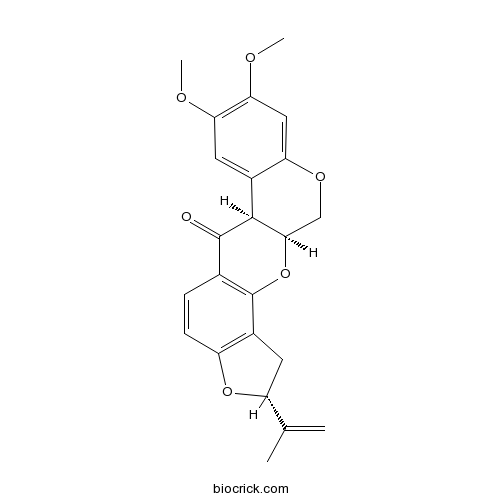
Rotenone
Rotenone is an mitochondrial electron transport chain complex I inhibitor. Rotenone induces apoptosis through enhancing mitochondrial reactive oxygen species production.
-
BCC5658
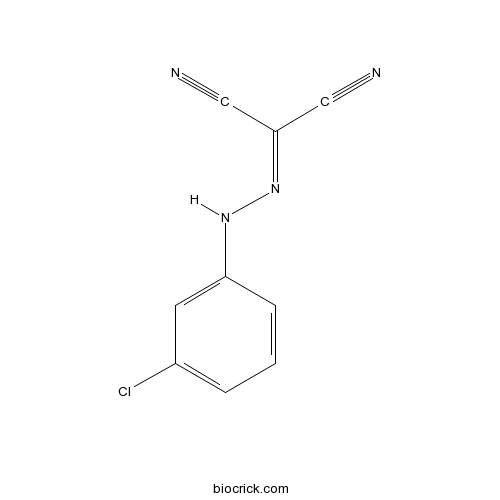
CCCP
CCCP is an oxidative phosphorylation uncoupler. CCCP induces activation of PINK1 leading to Parkin Ser65 phosphorylation.
-
BCC5659
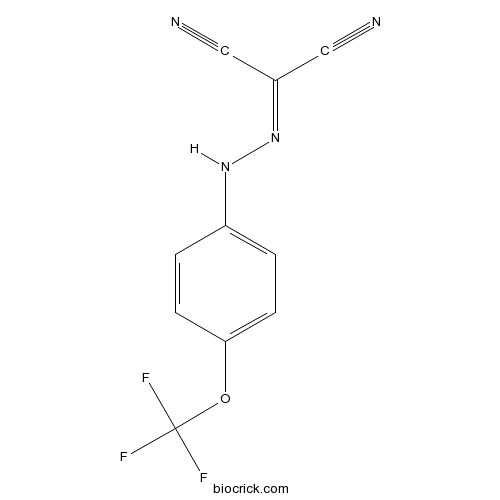
FCCP
FCCP is an uncoupler of oxidative phosphorylation in mitochondria. FCCP induces activation of PINK1 leading to Parkin Ser65 phosphorylation.
-
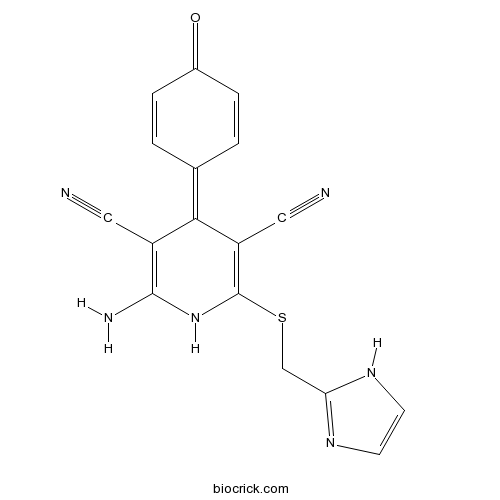
BCC4471
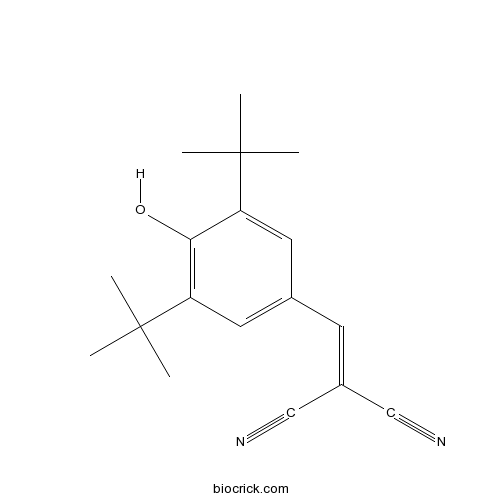
Tyrphostin 9
Tyrphostin A9, a PDGFR inhibitor, is a potent inducer of mitochondrial fission. Tyrphostin A9 emerged as the most potent and selective of 51 tyrosine kinase inhibitors tested against the TNF-induced respiratory burst. Tyrphostin A9 has anti-influenza virus activities.
-
BCC5280
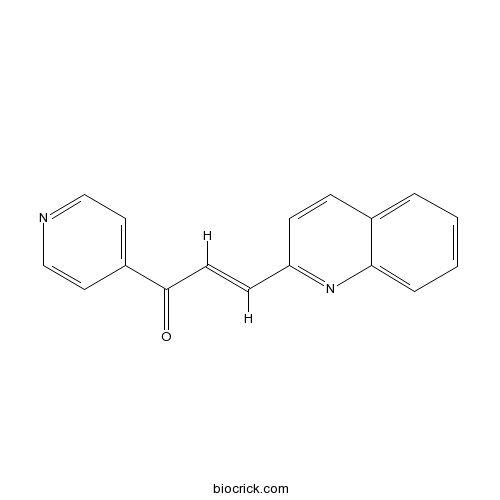
PFK-015
PFK-015 is an effective inhibitor of PFKFB3 with IC50 of 110 nM (recombinant PFKFB3) and inhibits PFKFB3 activity in cancer cells with IC50 of 20 nM.
-
BCC8001
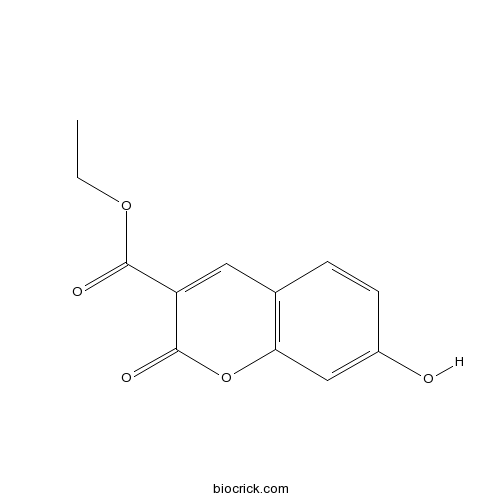
YZ9
6093-71-6
-
BCC1076
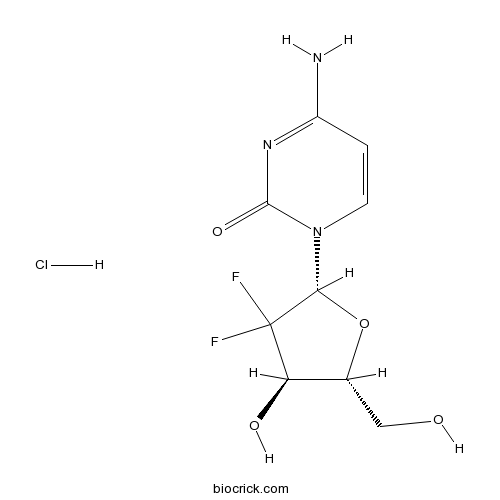
Gemcitabine HCl
Gemcitabine Hydrochloride (LY 188011 hydrochloride) is a DNA synthesis inhibitor which inhibits the growth of BxPC-3, Mia Paca-2, PANC-1, PL-45 and AsPC-1 cells with IC50s of 37.6, 42.9, 92.7, 89.3 and 131.4 nM, respectively.
-
BCC4316
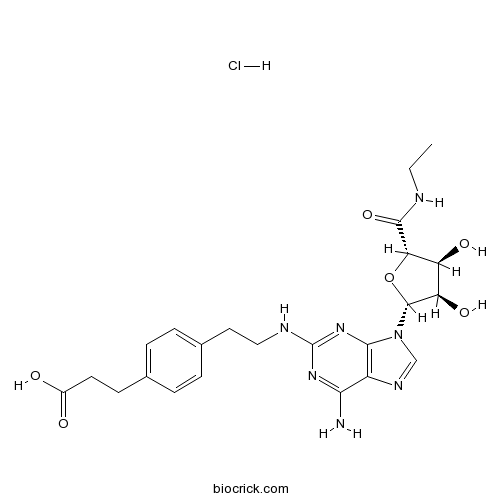
CGS 21680 HCl
CGS 21680 Hydrochloride is a selective adenosine A2A receptor agonist with a Ki of 27 nM.
-
BCC7163
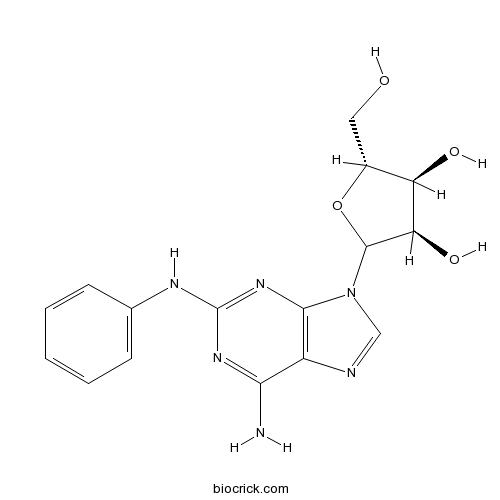
CV 1808
53296-10-9
-
BCC6237
LUF 5834
333962-91-7