Pain and Inflammation Research
Although separate conditions, pain and inflammation are nearly always associated with each other. Pain is defined by the International Association for the Study of Pain (IASP) as 'an unpleasant sensory and emotional experience associated with actual or potential tissue damage, or described in terms of such damage'. Inflammation is the tissue's immunologic response to injury, characterized by mobilization of white blood cells and antibodies, swelling, and fluid accumulation.
Pain and Inflammation Research Products Areas
Products for Pain and Inflammation Research - Page 40
- Cat.No. Product Name Information/Activity
-
BCC6932
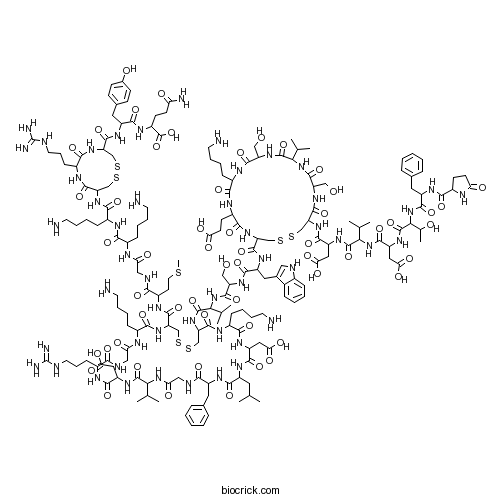
Iberiotoxin
129203-60-7
-
BCC6307
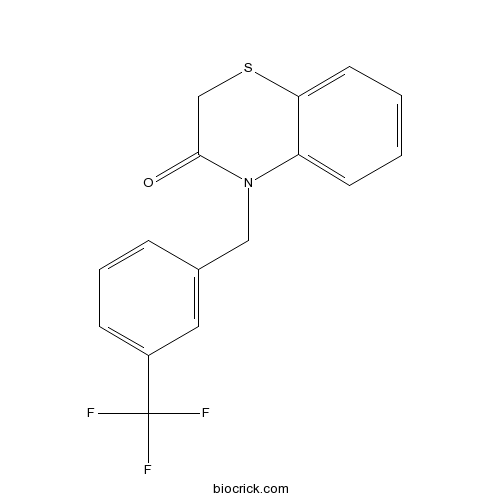
NS 6180
NS6180 is a novel potent and selective KCa3.1 channel inhibitor(IC50= 9 nM) prevents T-cell activation and inflammation.
-
BCC7235
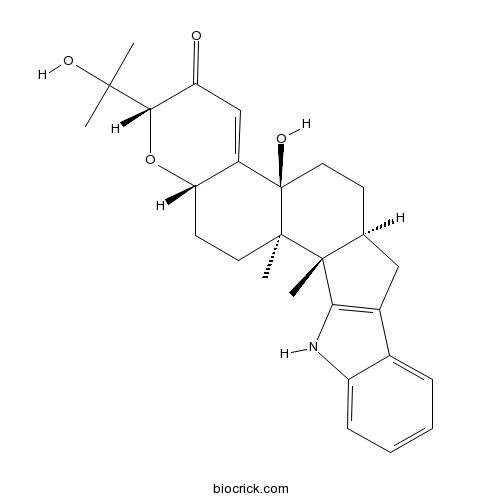
Paxilline
Paxilline is an indole alkaloid mycotoxin from Penicillium paxilli, acts as a potent BK channels inhibitor by an almost exclusively closed-channel block mechanism. Paxilline also inhibits the sarco/endoplasmic reticulum Ca2+ ATPase (SERCA) with IC50s between 5 μM and 50 μM for differing isoforms. Paxilline possesses significant anticonvulsant activity.
-
BCC1122
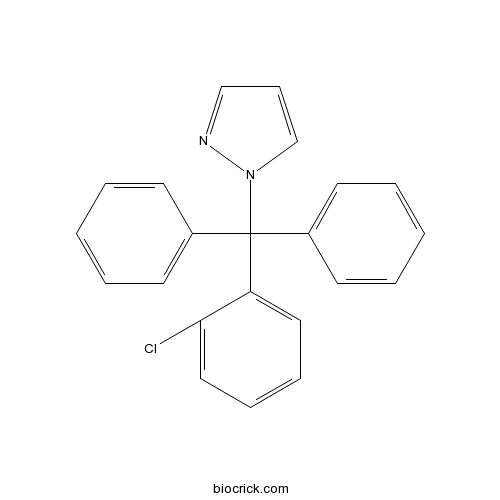
TRAM-34
TRAM-34 is a highly selective blocker of intermediate-conductance calcium-activated K+ channel (IKCa1) (Kd=20 nM).
-
BCC8038
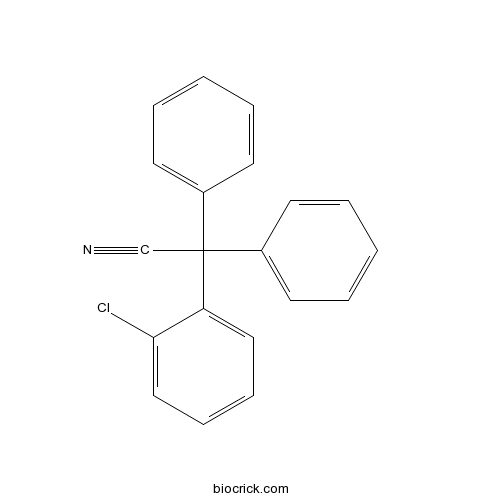
TRAM 39
Potent K<sub>Ca</sub>3.1 blocker
-
BCC7016
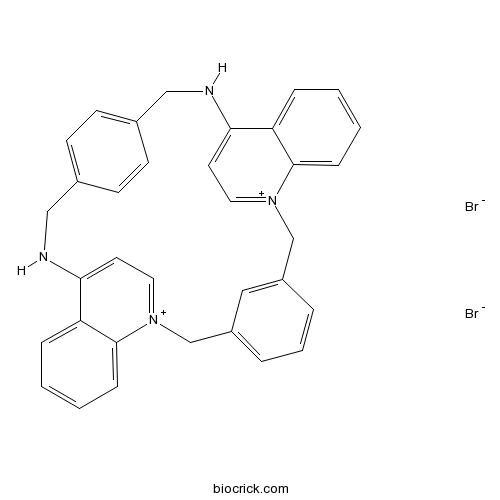
UCL 1684
199934-16-2
-
BCC5019
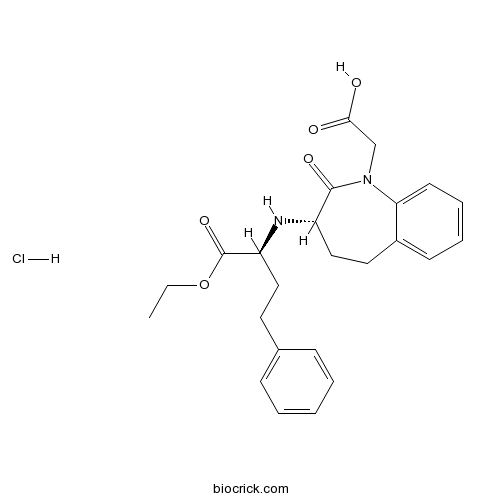
Benazepril HCl
Benazepril hydrochloride, an angiotensin converting enzyme inhibitor, which is a medication used to treat high blood pressure.
-
BCC2140
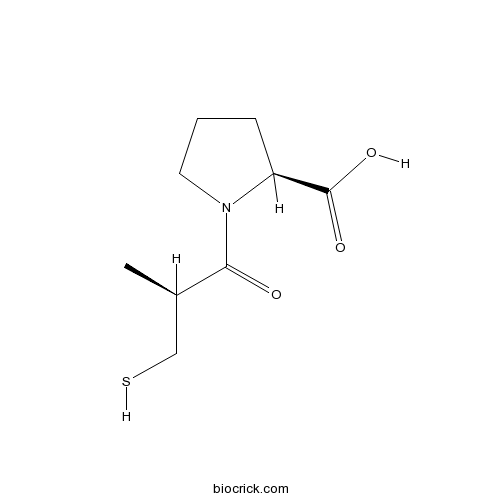
Captopril
Captopril (SQ-14534) is a potent, competitive inhibitor of angiotensin-converting enzyme (ACE).
-
BCC5015
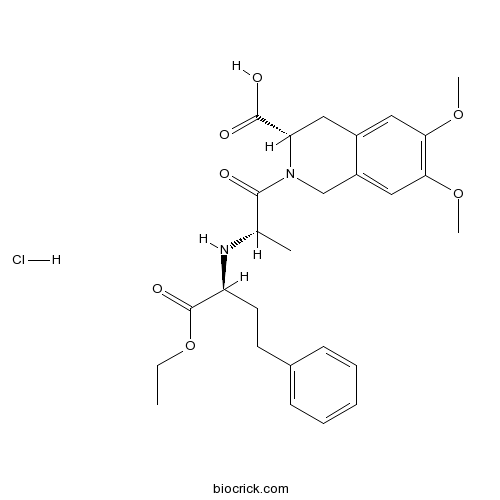
Moexipril HCl
Moexipril hydrochloride is a potent orally active non-sulfhydryl angiotensin converting enzyme(ACE) inhibitor, which is used for the treatment of hypertension and congestive heart failure.
-
BCC3586
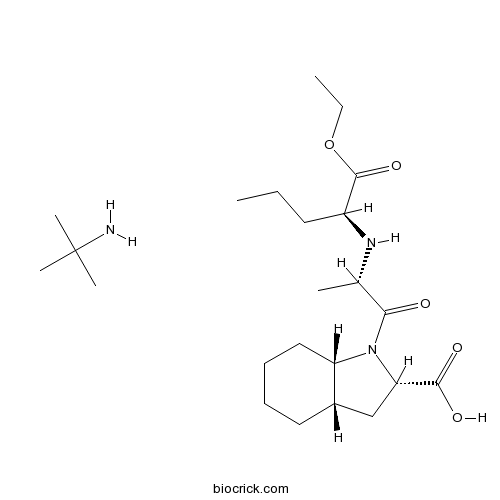
Perindopril Erbumine
Perindopril erbumine (Perindopril tert-butylamine salt) is a potent ACE inhibitor of which is used to treat high blood pressure, heart failure or stable coronary artery disease.