Alzheimer's Disease Research
Alzheimer's disease (AD), the most common type of dementia, is an irreversible and progressive neurodegenerative disorder causing cognitive and functional impairment. It is characterized by formation of protein aggregates and progressive loss of neurons in the central nervous system (CNS). The symptoms of AD include short-term memory loss, confusion, irritability, aggression and mood swings, progressing to long-term memory deficit, withdrawal from social interactions and subsequently a loss in higher central functioning.
Alzheimer's Disease Research Products Targets
- Others (23)
- Cyclooxygenase (24)
- Complement (2)
- AMPA Receptor (45)
- Nicotinic (α7) Receptor (25)
- Nicotinic (α4β2) Receptor (14)
- NMDA Receptor (87)
- Kainate Receptor (22)
- Microtubule (19)
- DYRK (3)
- Cholinesterase (10)
- Autophagy (44)
- Antioxidant (19)
- Amyloid beta Peptide (28)
- Estrogen and Related Receptor (33)
- Glycogen Synthase Kinase 3 (20)
- gamma-Secretase (9)
Products for Alzheimer's Disease Research - Page 6
- Cat.No. Product Name Information/Activity
-
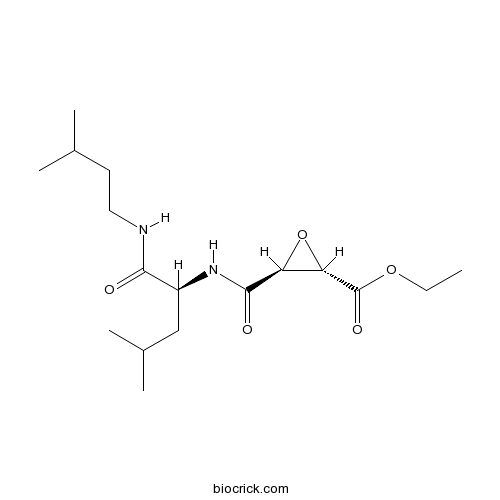
BCC1127
E 64d
Aloxistatin (E64d) is a cell-permeable and irreversible broad-spectrum cysteine protease inhibitor.
-
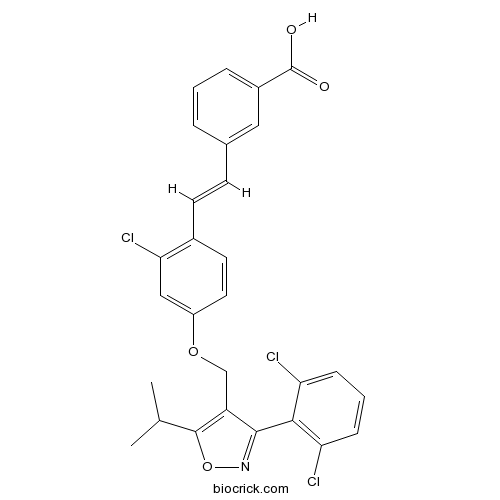
BCC4500
GW4064
GW 4064 is a potent FXR agonist with an EC50 of 65 nM.
-
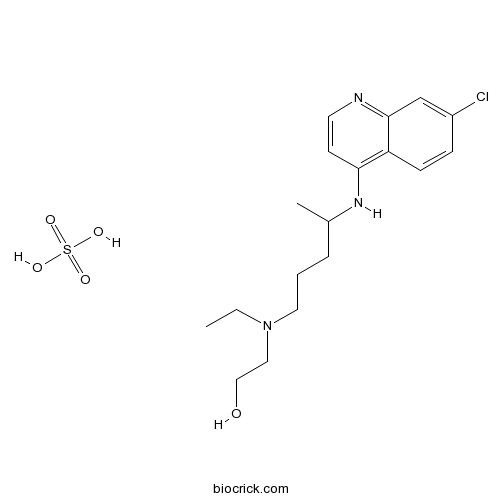
BCC5560
Hydroxychloroquine Sulfate
Hydroxychloroquine sulfate (HCQ sulfate) is a synthetic antimalarial drug which can also inhibit Toll-like receptor 7/9 (TLR7/9) signaling.
-
BCC3714
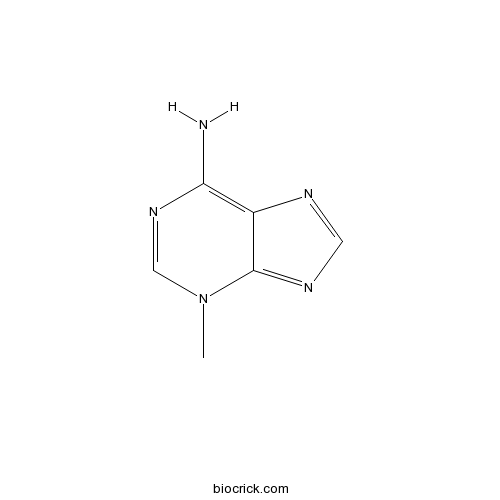
3-Methyladenine
3-Methyladenine is a PI3K inhibitor. 3-Methyladenine is a widely used inhibitor of autophagy via its inhibitory effect on class III PI3K.
-
BCC5604
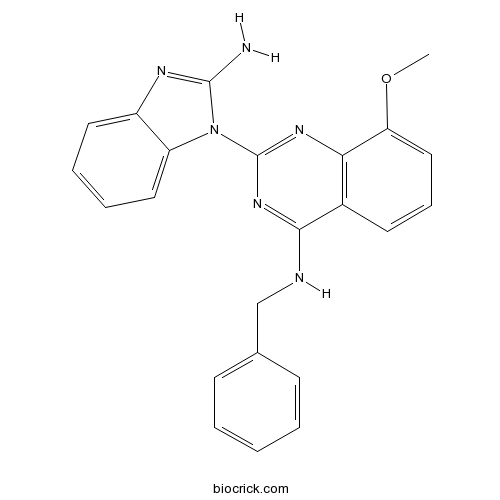
ML 240
ML240 is a potent p97 inhibitor, inhibiting p97 ATPase with IC50 value of 100 nM.
-
BCC3826
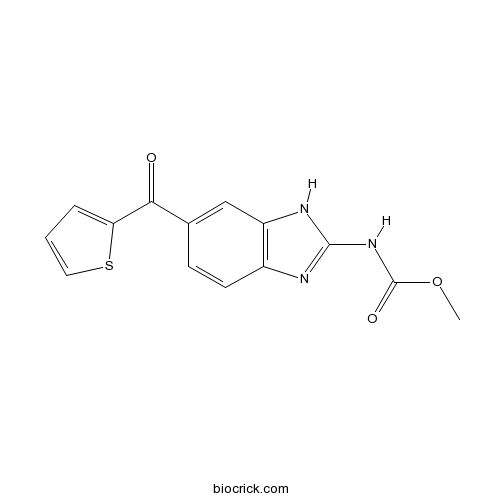
Nocodazole
Nocodazole is a rapidly-reversible inhibitor of microtubule. Nocodazole binds to β-tubulin and disrupts microtubule assembly/disassembly dynamics, which prevents mitosis and induces apoptosis in tumor cells. Nocodazole inhibits Bcr-Abl, and activates CRISPR/Cas9.
-
BCC1218
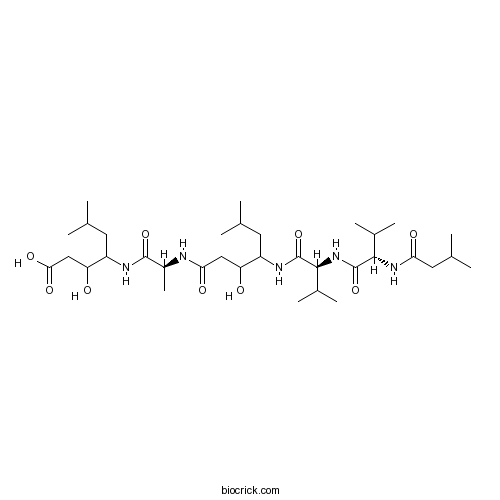
Pepstatin A
Pepstatin (Pepstatin A) is a specific aspartic protease inhibitor produced by actinomycetes, with IC50s of 4.5 nM, 6.2 nM, 150 nM, 290 nM, 520 nM and 260 nM for hemoglobin-pepsin, hemoglobin-proctase, casein-pepsin, casein-proctase, casein-acid protease and hemoglobin-acid protease, respectively. Pepstatin Ammonium also inhibits HIV protease.
-
BCC6420
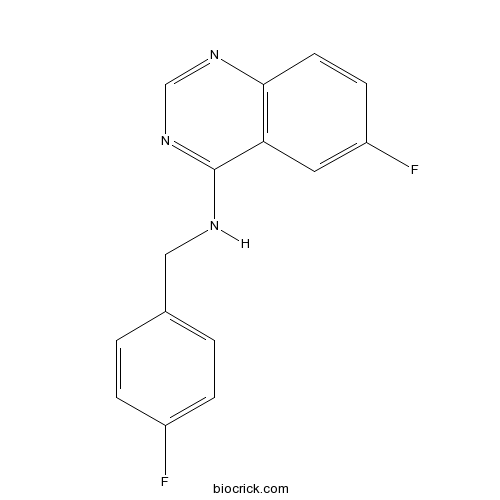
Spautin-1
Spautin-1 is a specific and potent autophagy inhibitor which inhibits ubiquitin-specific peptidases, USP10 and USP13 with IC50s of 0.6-0.7 μM.
-
BCN4650
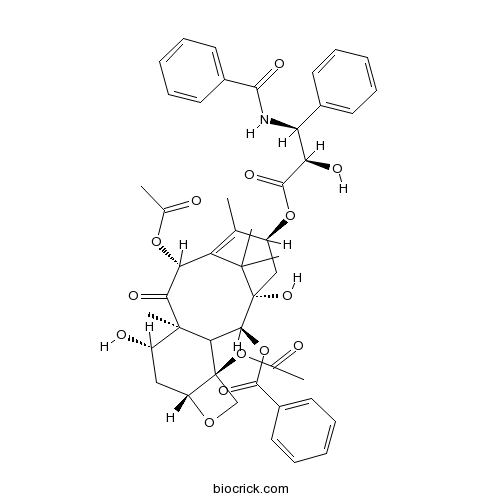
Paclitaxel
Paclitaxel is a naturally occurring antineoplastic agent and stabilizes tubulin polymerization. Paclitaxel can cause both mitotic arrest and apoptotic cell death. Paclitaxel also induces autophagy.
-
BCN2292
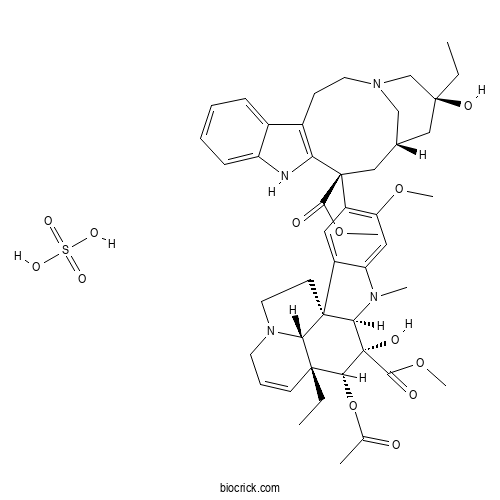
Vinblastine Sulfate
Vinblastine sulfate is a cytotoxic alkaloid used against various cancer types. Vinblastine sulfate inhibits the formation of microtubule and suppresses nAChR with an IC50 of 8.9 μM.