Myocardial Infarction Research
Myocardial infarction (MI) - more commonly referred to as a heart attack - is an acute event caused by the interruption of blood supply to regions of the heart, leading to myocardial necrosis. Infarction of a substantial area of the myocardium can disrupt normal conductance of the heart, leading to cardiac arrest.In the majority of cases, an MI is immediately preceded by the presence of an occlusive thrombus within a coronary artery, blocking blood flow to the downstream tissue. The most common cause of an occlusive thrombus within a coronary artery is the rupture of an atherosclerotic plaque. However, the occlusion of a coronary artery may also result from coronary embolism. This can occur in patients following stent placement, angioplasty, and coronary artery bypass grafting.
Myocardial Infarction Research Products Targets
- Adenosine A2B Receptor (7)
- Adenosine A2A Receptor (11)
- Voltage-gated Sodium (NaV) Channel (30)
- Voltage-gated Potassium (KV) Channel (38)
- Voltage-gated Calcium Channel (CaV) (38)
- Cell Adhesion Molecule (21)
- Others (10)
- Cyclooxygenase (24)
- Epithelial Sodium Channel (3)
- STIM-Orai Channel (4)
- Ryanodine Receptor (6)
- Angiotensin-Converting Enzyme (8)
- IP3 Receptor (2)
- Adenosine A3 Receptor (8)
- Adenosine A1 Receptor (12)
- Acid-Sensing Ion Channel (3)
- Calcium-Activated Potassium (KCa) Channel (19)
- Inward Rectifier Potassium (Kir) Channel (21)
- NO donors and precursors (9)
- nNOS (5)
- iNOS (11)
- eNOS (1)
- Stem Cell Differentiation (54)
- Delta opioid receptor (16)
- Cathepsin (9)
- Adrenergic β3 Receptor (12)
- Adrenergic β2 Receptor (6)
- Adrenergic β1 Receptor (7)
- Prostanoid Receptor (24)
Products for Myocardial Infarction Research - Page 9
- Cat.No. Product Name Information/Activity
-
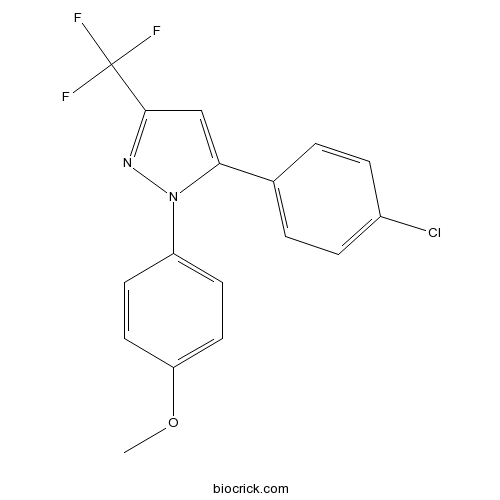
BCC7111
SC 560
SC-560 is a potent and selective COX-1 inhibitor with an IC50 of 9 nM.
-
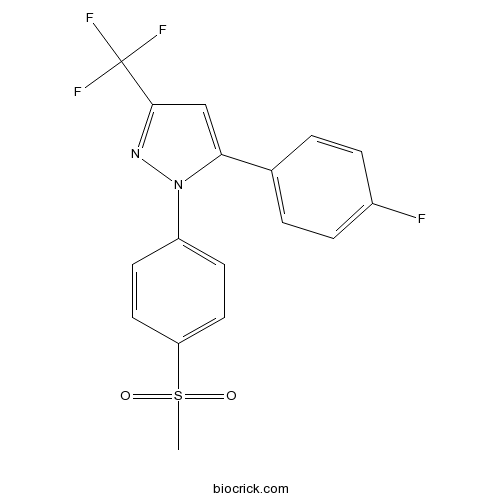
BCC5948
SC 58125
162054-19-5
-
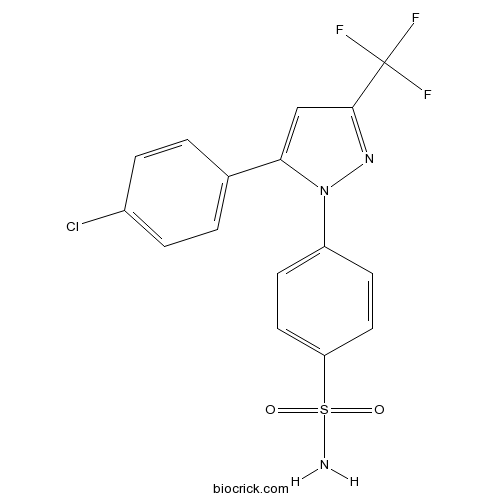
BCC7809
SC 236
170569-86-5
-
BCC4861
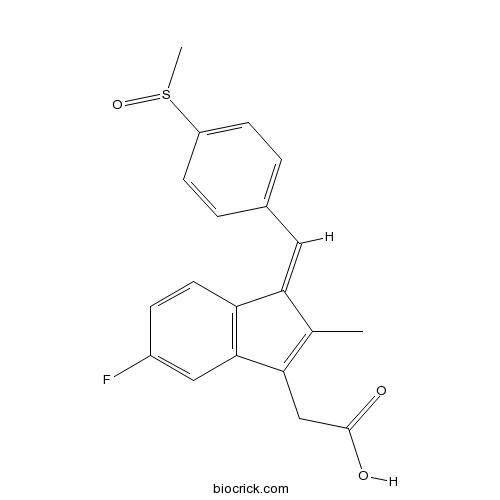
Sulindac
Sulindac (MK-231) is a non-steroidal antiinflammatory agent, acts as a COX-2 inhibitor, and inhibits overexpression of COX-2.
-
BCC7391
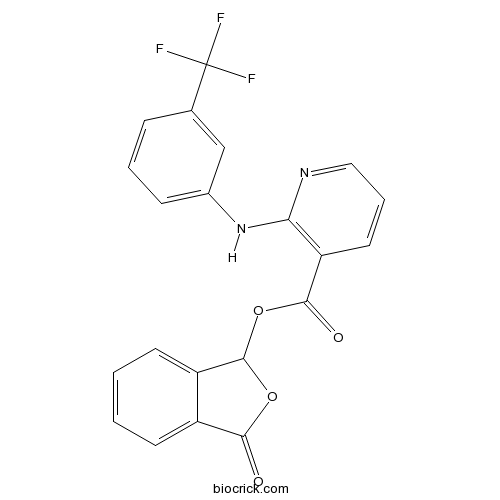
Talniflumate
66898-62-2
-
BCC7419
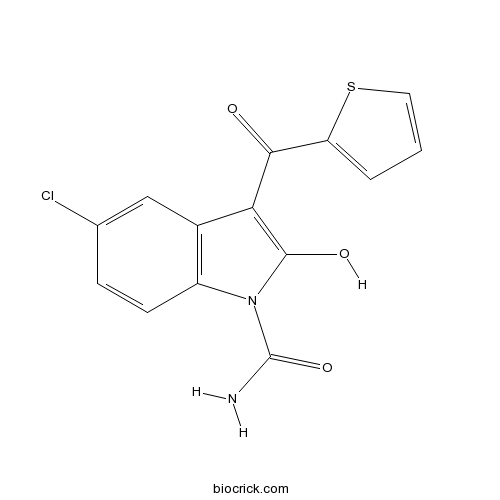
Tenidap
Tenidap, a non-steroidal anti-inflammatory drug, is a selective COX-1 inhibitor, with IC50 values of 0.03 µM and 1.2 µM for COX-1 and COX-2, respectively. Tenidap has anti-inflammatory and antirheumatic properties. Tenidap is also a specific SLC26A3 inhibitor.
-
BCC4441
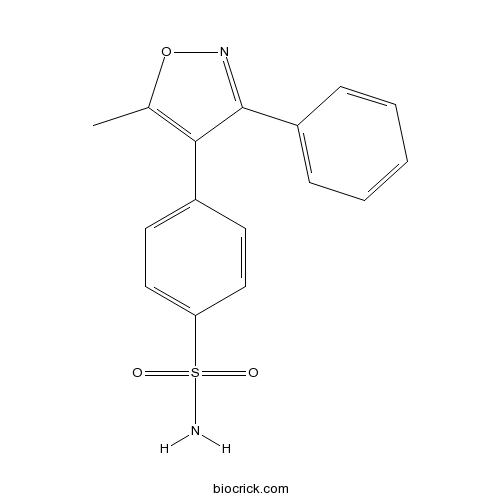
Valdecoxib
Valdecoxib is a highly potent and selective inhibitor of COX-2, with IC50s of 5 nM and 140 μM for COX-2 and COX-1, respeceively. Valdecoxib can be used in the research of arthritis and pain.
-
BCC6143
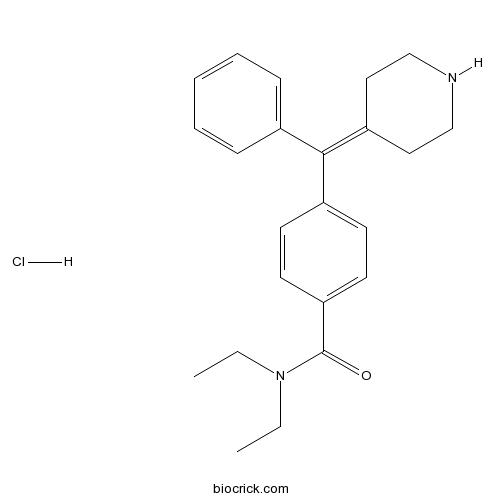
AR-M 1000390 hydrochloride
AR-M 1000390 hydrochloride is an exceptionally selective, potent δ opioid receptor agonist with an EC50 of 7.2±0.9 nM for δ agonist potency.
-
BCC5798
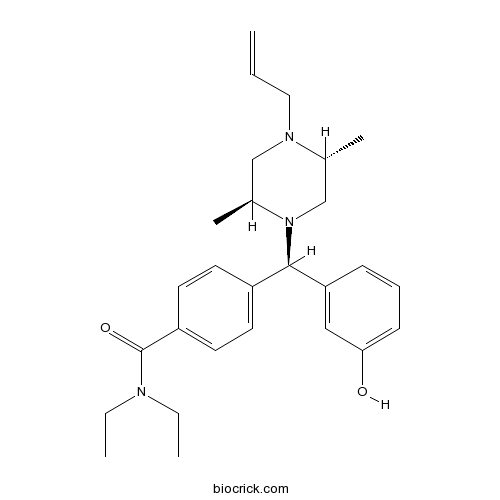
BW 373U86
155836-50-3
-
BCC6064
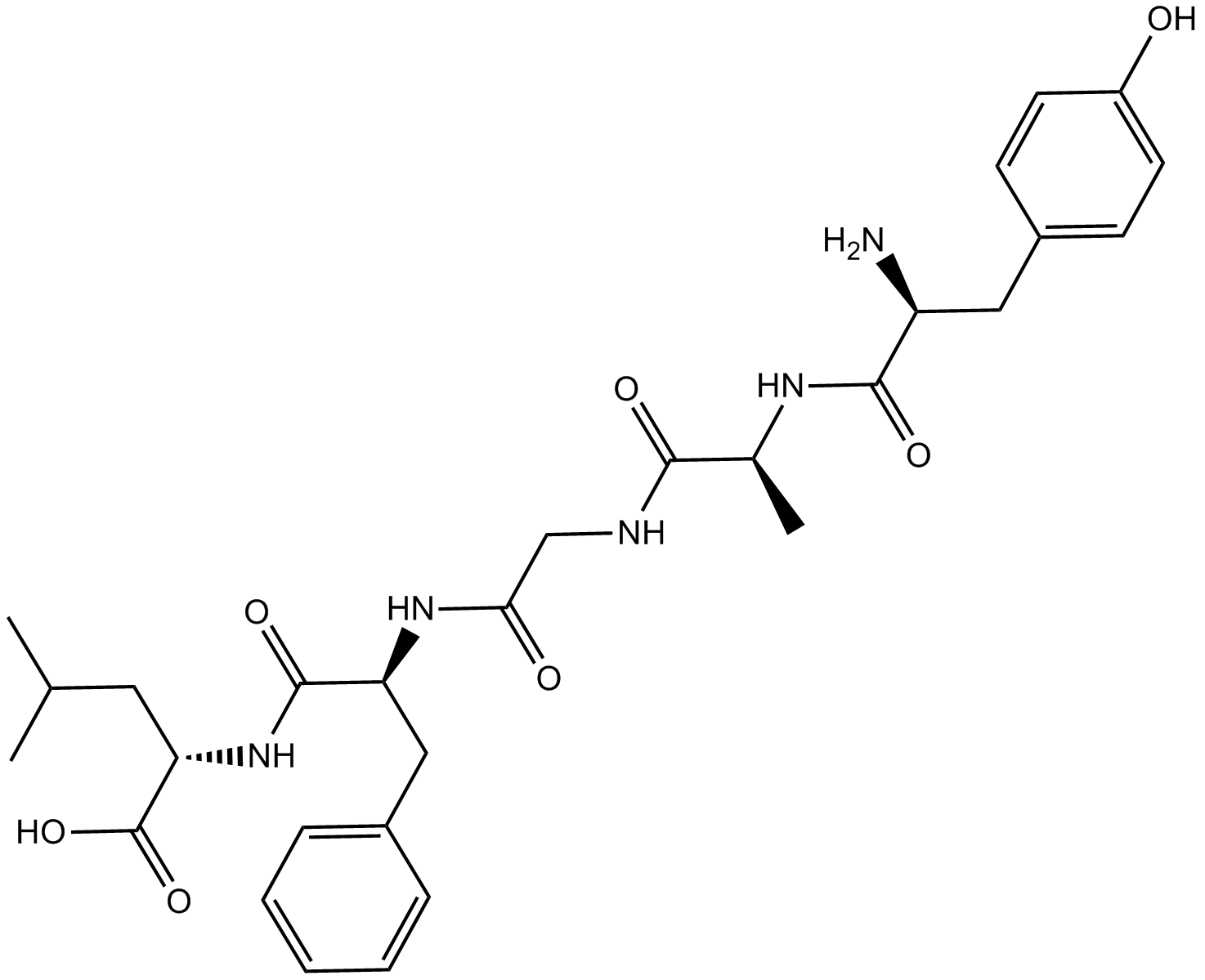
DADLE
63631-40-3