Myocardial Infarction Research
Myocardial infarction (MI) - more commonly referred to as a heart attack - is an acute event caused by the interruption of blood supply to regions of the heart, leading to myocardial necrosis. Infarction of a substantial area of the myocardium can disrupt normal conductance of the heart, leading to cardiac arrest.In the majority of cases, an MI is immediately preceded by the presence of an occlusive thrombus within a coronary artery, blocking blood flow to the downstream tissue. The most common cause of an occlusive thrombus within a coronary artery is the rupture of an atherosclerotic plaque. However, the occlusion of a coronary artery may also result from coronary embolism. This can occur in patients following stent placement, angioplasty, and coronary artery bypass grafting.
Myocardial Infarction Research Products Targets
- Adenosine A2B Receptor (7)
- Adenosine A2A Receptor (11)
- Voltage-gated Sodium (NaV) Channel (30)
- Voltage-gated Potassium (KV) Channel (38)
- Voltage-gated Calcium Channel (CaV) (38)
- Cell Adhesion Molecule (21)
- Others (10)
- Cyclooxygenase (24)
- Epithelial Sodium Channel (3)
- STIM-Orai Channel (4)
- Ryanodine Receptor (6)
- Angiotensin-Converting Enzyme (8)
- IP3 Receptor (2)
- Adenosine A3 Receptor (8)
- Adenosine A1 Receptor (12)
- Acid-Sensing Ion Channel (3)
- Calcium-Activated Potassium (KCa) Channel (19)
- Inward Rectifier Potassium (Kir) Channel (21)
- NO donors and precursors (9)
- nNOS (5)
- iNOS (11)
- eNOS (1)
- Stem Cell Differentiation (54)
- Delta opioid receptor (16)
- Cathepsin (9)
- Adrenergic β3 Receptor (12)
- Adrenergic β2 Receptor (6)
- Adrenergic β1 Receptor (7)
- Prostanoid Receptor (24)
Products for Myocardial Infarction Research - Page 29
- Cat.No. Product Name Information/Activity
-
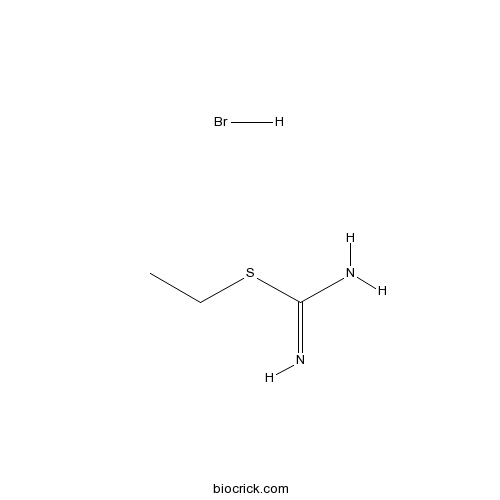
BCC6824
EIT hydrobromide
1071-37-0
-
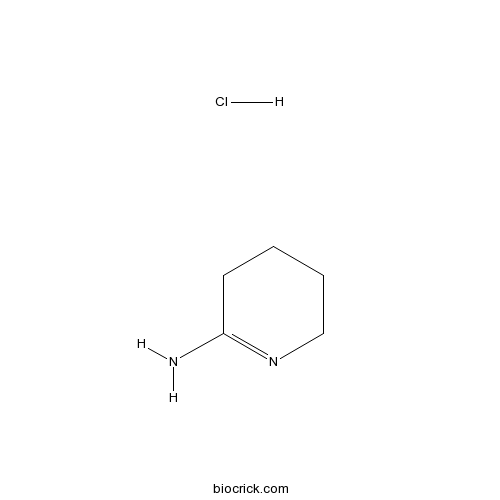
BCC6862
2-Iminopiperidine hydrochloride
16011-96-4
-
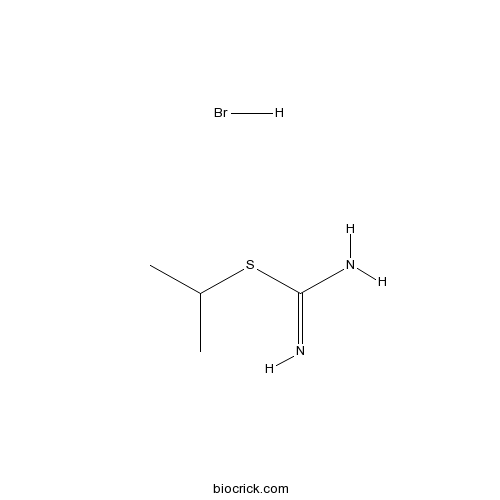
BCC6837
S-Isopropylisothiourea hydrobromide
4269-97-0
-
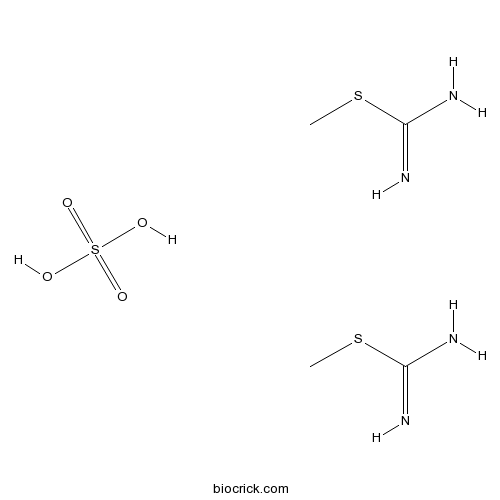
BCC6791
(S)-Methylisothiourea sulfate
867-44-7
-
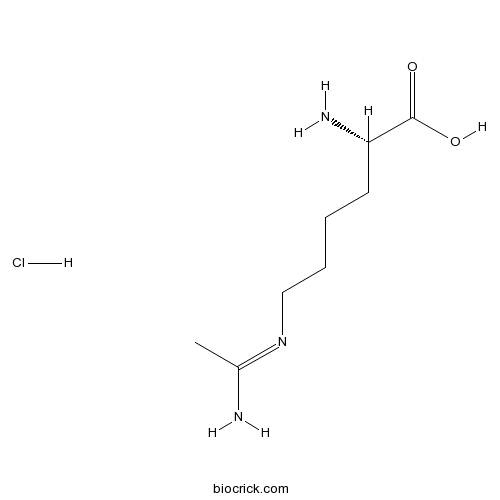
BCC5706
L-NIL hydrochloride
150403-89-7
-
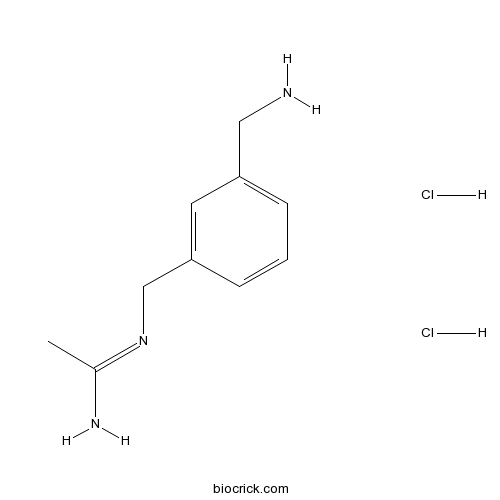
BCC7057
1400W dihydrochloride
1400W dihydrochloride is a potent and selective inhibitor of human inducible NO synthase with Ki values of 7 nM.
-
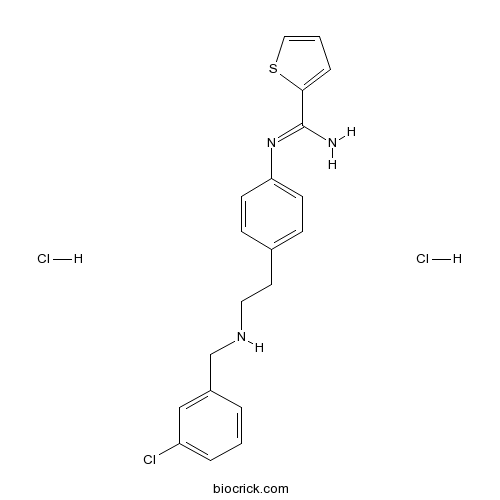
BCC7647
ARL 17477 dihydrochloride
866914-87-6
-
BCC6770
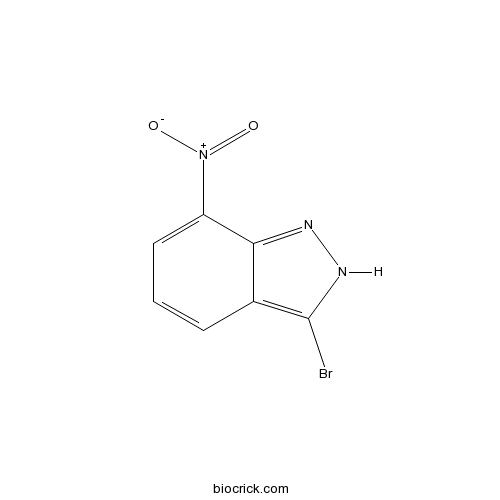
3-Bromo-7-nitroindazole
3-Bromo-7-nitroindazole is a more potent and selective inhibitor of neuronal nitric oxide synthase (nNOS) than eNOS or inducible nitric oxide synthase (iNOS). 3-Bromo-7-nitroindazole affects the intercellular messenger nitric oxide (NO) synthesis throughout the body and brain.
-
BCC5644
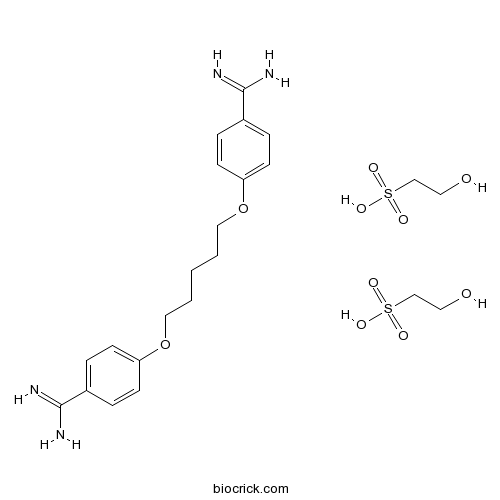
Pentamidine isethionate
Pentamidine isethionate (MP-601205 isethionate) is an antimicrobial agent and interferes with DNA biosynthetics. Pentamidine isethionate inhibits parasite Leishmania infantum with an IC50 of 2.5 μM. Pentamidine isethionate is a potent and selective protein tyrosine phosphatases (PTPases) and phosphatase of regenerating liver (PRL) inhibitor. Pentamidine isethionate has the potential for Gambian trypanosomiasis, antimony-resistant leishmaniasis, and Pneumocystis carinii pneumonia treatment. Antitumor and antibacterial activities.
-
BCC6965
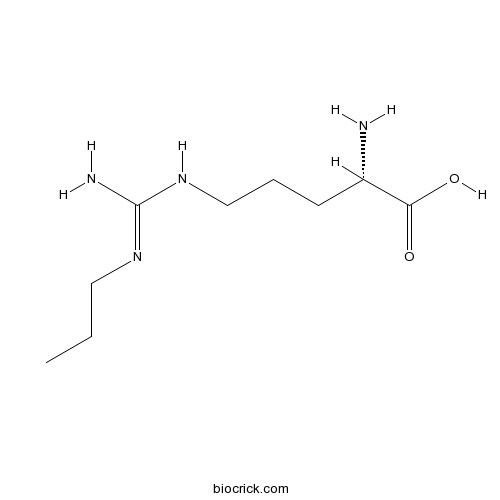
Nω-Propyl-L-arginine hydrochloride
137361-05-8