Hypertension Research
Hypertension is defined as a chronic elevation in blood pressure with a systolic pressure over 140 mmHg and a diastolic pressure over 90 mmHg.The majority of hypertension is primary - that is, an increase in blood pressure with no underlying cause - yet pathologies that affect the kidney or endocrine system may also trigger hypertension. This is known as secondary hypertension. The exact mechanism of primary hypertension is yet to be elucidated, though dysfunctions in mechanisms that regulate vascular tone, both directly and indirectly, have been identified as having a major influence on hypertension.
Hypertension Research Products Targets
- Adenosine A2B Receptor (7)
- Adenosine A2A Receptor (11)
- Lipoxygenase (8)
- Leukotriene and Related Receptor (13)
- Bradykinin Receptor (12)
- Others (10)
- Cyclooxygenase (24)
- Apelin Receptor (5)
- 5-HT1F Receptor (2)
- 5-HT1E Receptor (1)
- 5-HT1D Receptor (13)
- 5-HT1B Receptor (20)
- 5-HT1A Receptor (25)
- 5-HT2C Receptor (23)
- 5-HT2B Receptor (12)
- 5-HT2A Receptor (25)
- Natriuretic Peptide Receptor (4)
- Mineralocorticoid Receptor (7)
- Angiotensin-Converting Enzyme (8)
- 5-HT7 Receptor (11)
- 5-HT6 Receptor (14)
- 5-ht5 Receptor (2)
- 5-HT4 Receptor (17)
- Histamine H4 Receptor (12)
- Histamine H3 Receptor (22)
- Histamine H2 Receptor (10)
- Histamine H1 Receptor (17)
- Adenosine A3 Receptor (8)
- Adenosine A1 Receptor (12)
- Calcitonin and Related Receptor (10)
- VIP Receptor (7)
- Vasopressin Receptor (6)
- NO donors and precursors (9)
- nNOS (5)
- iNOS (11)
- eNOS (1)
- Urotensin-II Receptor (8)
- ETB Receptor (6)
- ETA Receptor (5)
- Angiotensin AT2 Receptor (3)
- Angiotensin AT1 Receptor (9)
- M5 Receptor (2)
- M4 Receptor (3)
- M3 Receptor (4)
- Purinergic (P2Y) Receptor (31)
- M2 Receptor (5)
- M1 Receptor (8)
- Neuromedin U (2)
- NKCC (2)
- Adrenergic α2 Receptor (33)
- Adrenergic α1 Receptor (22)
- Adrenergic β3 Receptor (12)
- Adrenergic β2 Receptor (6)
- Adrenergic β1 Receptor (7)
- Protease-Activated Receptor (23)
- Prostanoid Receptor (24)
- Sphingosine-1-Phosphate Receptor (13)
- Phosphodiesterase (34)
Products for Hypertension Research - Page 4
- Cat.No. Product Name Information/Activity
-
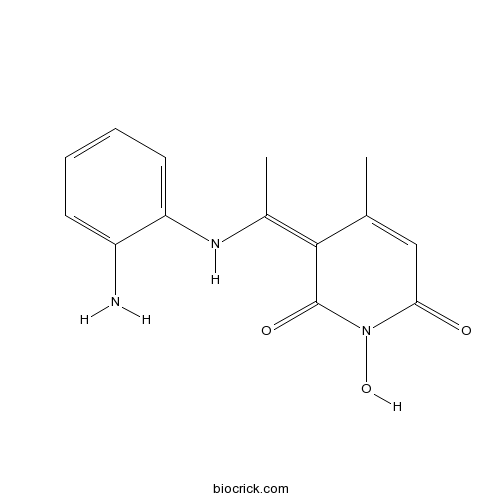
BCC7405
SUN-B 8155
345893-91-6
-
BCC6018
AC 187
Potent and selective amylin receptor antagonist
-
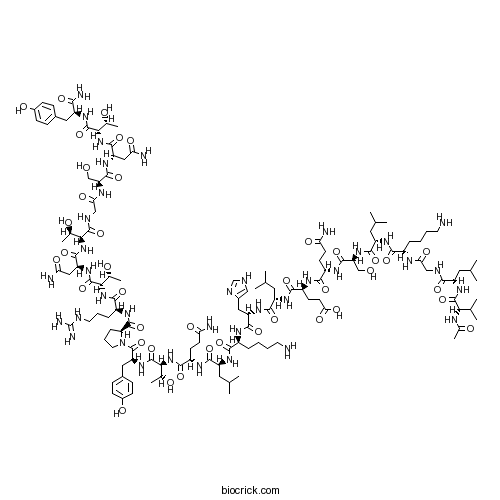
BCC5724
CGRP 8-37 (human)
HCGRP-(8-37) is a human calcitonin gene-related peptide (hCGRP) fragment and also an antagonist of CGRP receptor.
-
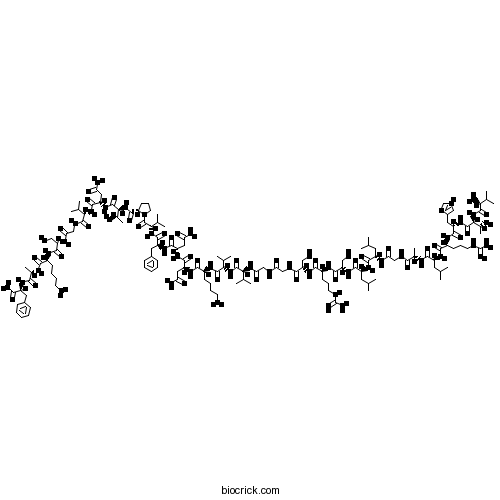
BCC5717
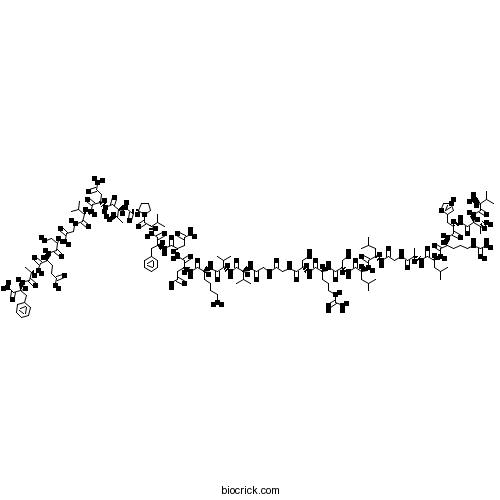
CGRP 8-37 (rat)
Rat CGRP-(8-37) (VTHRLAGLLSRSGGVVKDNFVPTNVGSEAF) is a highly selective CGRP receptor antagonist.
-
BCC7916
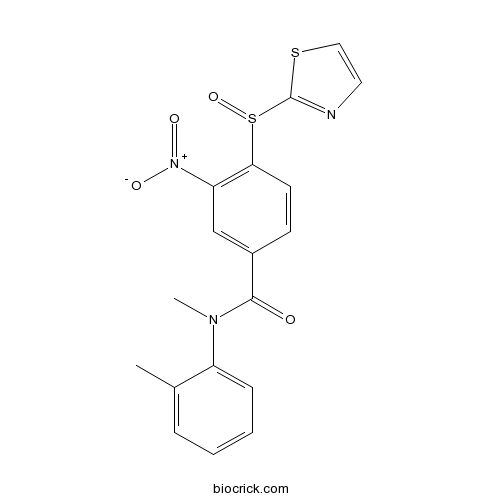
SB 268262
217438-17-0
-
BCC5269
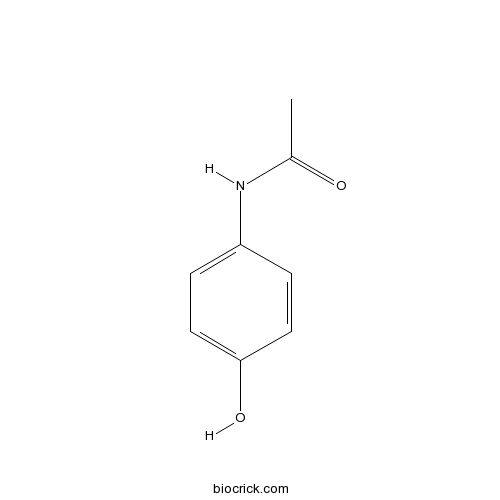
Acetaminophen
Acetaminophen (paracetamol) is a selective cyclooxygenase-2 (COX-2) inhibitor with an IC50 of 25.8 μM; is a widely used antipyretic and analgesic drug. Acetaminophen is a potent hepatic N-acetyltransferase 2 (NAT2) inhibitor.
-
BCC2097
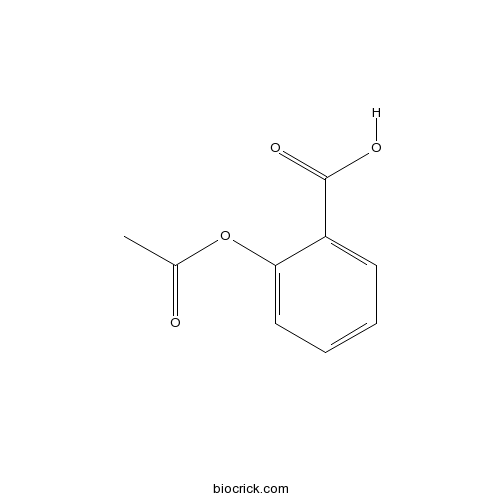
Aspirin (Acetylsalicylic acid)
Aspirin is a non-selective and irreversible inhibitor of COX-1 and COX-2 with IC50s of 5 and 210 μg/mL.
-
BCC1099
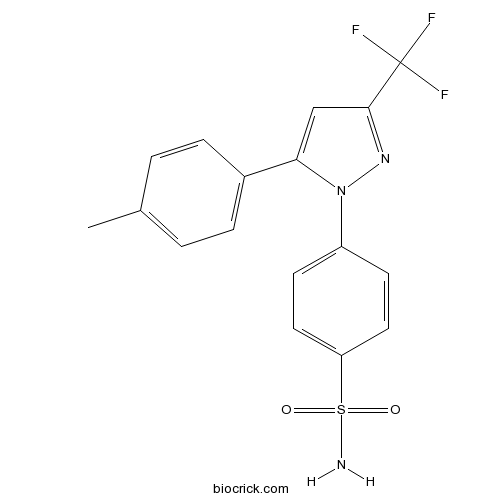
Celecoxib
Celecoxib is a selective COX-2 inhibitor with an IC50 of 40 nM.
-
BCC4439
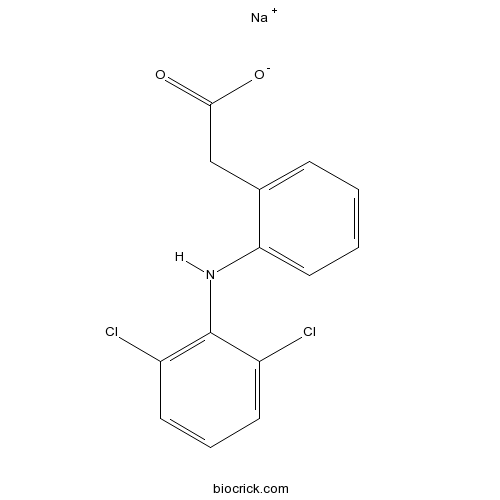
Diclofenac Sodium
Diclofenac Sodium (GP 45840) is a potent and nonselective anti-inflammatory agent, acts as a COX inhibitor, with IC50s of 4 and 1.3 nM for human COX-1 and COX-2 in CHO cells, and 5.1 and 0.84 μM for ovine COX-1 and COX-2, respectively. Diclofenac Sodium induces apoptosis of neural stem cells (NSCs) via the activation of the caspase cascade.
-
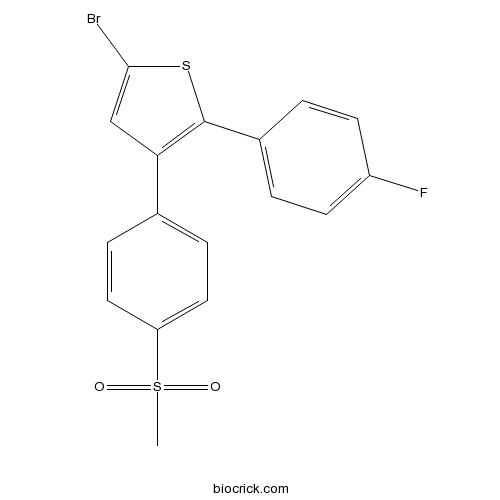
BCC7064
DuP 697
DuP-697 is a member of the vicinal diaryl heterocycles and a potent, irreversible, selective and orally active COX-2 inhibitor (IC50 of 10 nM and 800 nM for human COX-2 and COX-1, respectively). DuP-697 exerts antiproliferative (IC50 of 42.8 nM), antiangiogenic and apoptotic effects on HT29 colorectal cancer cells. DuP-697 inhibits prostaglandin synthesis and has anti-inflammatory, anticancer and antipyretic effects.