Cardiovascular Research
The cardiovascular, or circulatory, system is a closed elastic circuit consisting of the heart, blood vessels (arteries, capillaries and veins) and the blood. The primary function is to pump oxygenated blood to the tissues throughout the body and reabsorb waste carbon dioxide for its removal. This function is performed by the use of pulmonary and systemic circulation.
Cardiovascular Research Products Areas
Products for Cardiovascular Research - Page 47
- Cat.No. Product Name Information/Activity
-
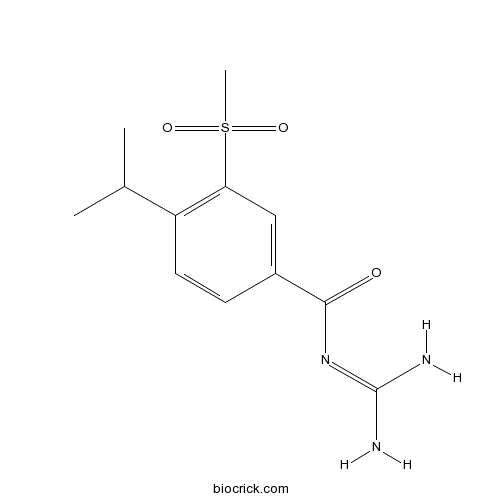
BCC6432
CARIPORIDE
Cariporide (HOE-642) is a selective Na+/H+ exchange inhibitor.
-
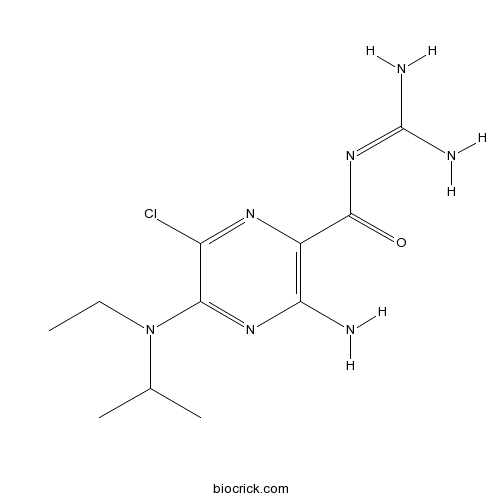
BCC7672
EIPA
EIPA (L593754) is a TRPP3 channel inhibitor with an IC50 of 10.5 μM. EIPA also inhibits Na+/H+-exchanger (NHE) and macropinocytosis.
-
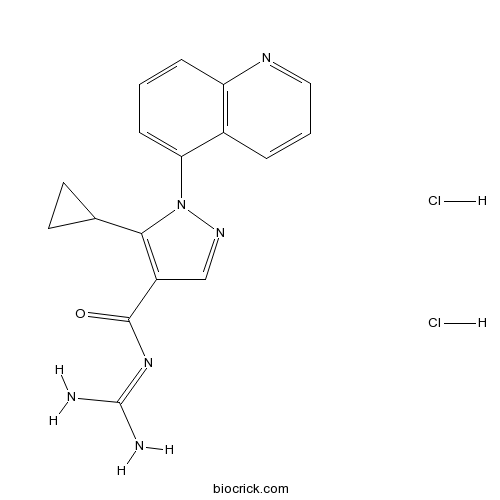
BCC7461
Zoniporide dihydrochloride
241799-10-0
-
BCC7986
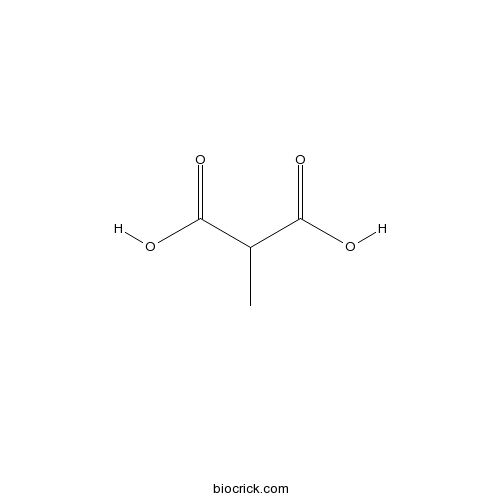
Methylmalonate
Methylmalonic acid (Methylmalonate) is an indicator of Vitamin B-12 deficiency in cancer.
-
BCC6303
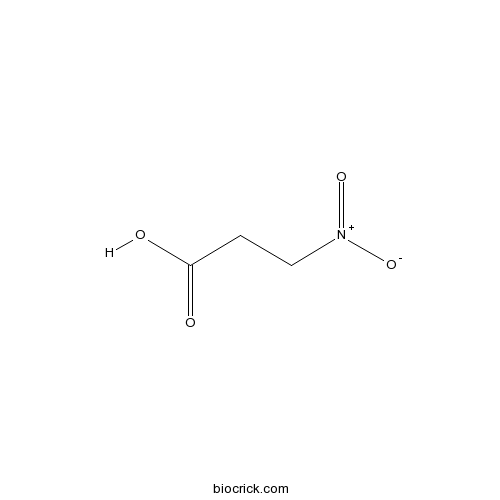
3-Nitropropionic acid
3-Nitropropanoic acid (β-Nitropropionic acid) is an irreversible inhibitor of succinate dehydrogenase. 3-Nitropropanoic acid exhibits potent antimycobacterial activity with a MIC value of 3.3 μM.
-
BCN5412
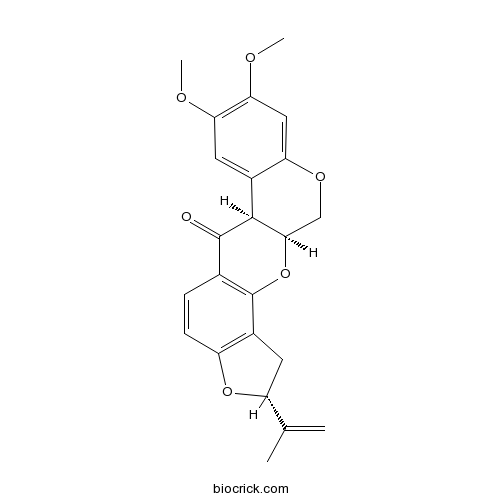
Rotenone
Rotenone is an mitochondrial electron transport chain complex I inhibitor. Rotenone induces apoptosis through enhancing mitochondrial reactive oxygen species production.
-
BCC5658
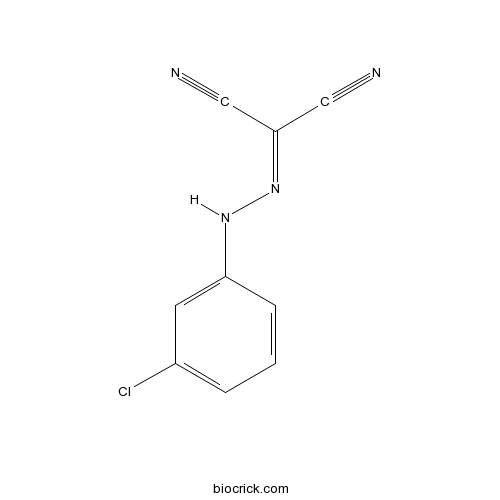
CCCP
CCCP is an oxidative phosphorylation uncoupler. CCCP induces activation of PINK1 leading to Parkin Ser65 phosphorylation.
-
BCC5659
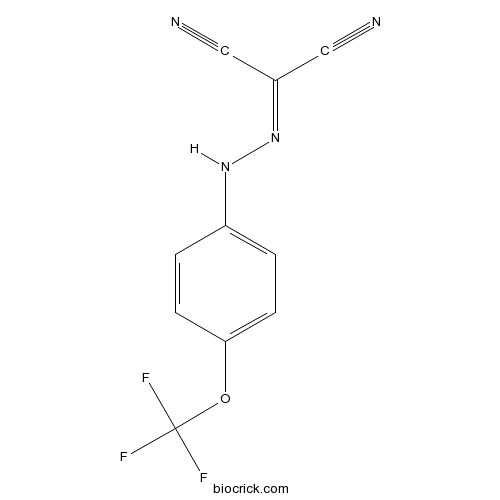
FCCP
FCCP is an uncoupler of oxidative phosphorylation in mitochondria. FCCP induces activation of PINK1 leading to Parkin Ser65 phosphorylation.
-
BCC4471
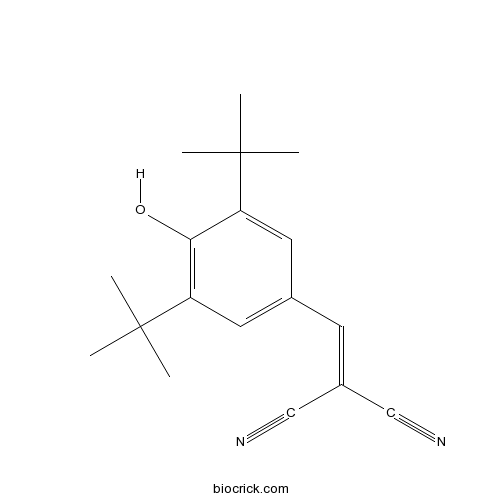
Tyrphostin 9
Tyrphostin A9, a PDGFR inhibitor, is a potent inducer of mitochondrial fission. Tyrphostin A9 emerged as the most potent and selective of 51 tyrosine kinase inhibitors tested against the TNF-induced respiratory burst. Tyrphostin A9 has anti-influenza virus activities.
-
BCC1234
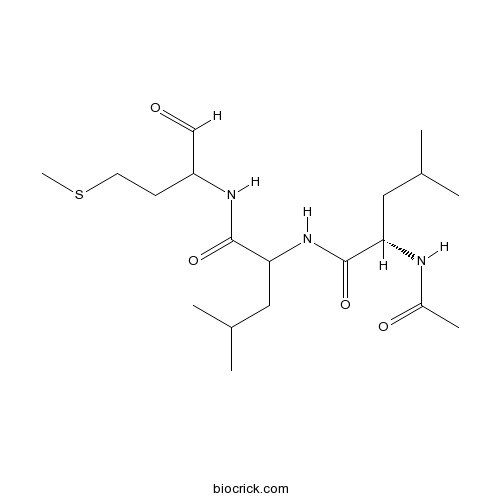
Calpain Inhibitor II, ALLM
Cathepsin inhibitor,Odanacatib (MK 0822) is a potent, selective, and neutral inhibitor of cathepsin K (human/rabbit) with IC50 of 0.2 nM/1 nM, and demonstrated high selectivity versus off-target cathepsin B, L, S. Phase 3.