
IsoswertisinCAS# 6980-40-1 |
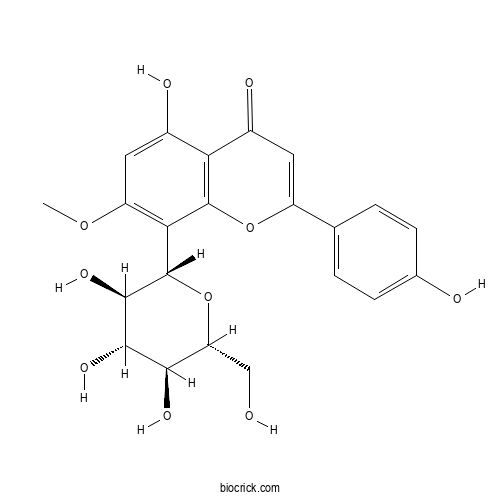
| Cas No. | 6980-40-1 | SDF | File under preparation. |
| PubChem ID | 14583621 | Appearance | Powder |
| Formula | C22H22O10 | M.Wt | 446.4 |
| Type of Compound | Flavonoids | Storage | Desiccate at -20°C |
| Solubility | Soluble in Chloroform,Dichloromethane,Ethyl Acetate,DMSO,Acetone,etc. | ||
| Chemical Name | 5-hydroxy-2-(4-hydroxyphenyl)-7-methoxy-8-[(2S,3R,4R,5S,6R)-3,4,5-trihydroxy-6-(hydroxymethyl)oxan-2-yl]chromen-4-one | ||
| SMILES | COC1=C(C2=C(C(=C1)O)C(=O)C=C(O2)C3=CC=C(C=C3)O)C4C(C(C(C(O4)CO)O)O)O | ||
| Standard InChIKey | HHPLIFSIFJSIBY-PGPONNFDSA-N | ||
| Standard InChI | InChI=1S/C22H22O10/c1-30-14-7-12(26)16-11(25)6-13(9-2-4-10(24)5-3-9)31-21(16)17(14)22-20(29)19(28)18(27)15(8-23)32-22/h2-7,15,18-20,22-24,26-29H,8H2,1H3/t15-,18-,19+,20-,22+/m1/s1 | ||
| General tips | For obtaining a higher solubility , please warm the tube at 37 ℃ and shake it in the ultrasonic bath for a while.Stock solution can be stored below -20℃ for several months. We recommend that you prepare and use the solution on the same day. However, if the test schedule requires, the stock solutions can be prepared in advance, and the stock solution must be sealed and stored below -20℃. In general, the stock solution can be kept for several months. Before use, we recommend that you leave the vial at room temperature for at least an hour before opening it. |
||
| About Packaging | 1. The packaging of the product may be reversed during transportation, cause the high purity compounds to adhere to the neck or cap of the vial.Take the vail out of its packaging and shake gently until the compounds fall to the bottom of the vial. 2. For liquid products, please centrifuge at 500xg to gather the liquid to the bottom of the vial. 3. Try to avoid loss or contamination during the experiment. |
||
| Shipping Condition | Packaging according to customer requirements(5mg, 10mg, 20mg and more). Ship via FedEx, DHL, UPS, EMS or other couriers with RT, or blue ice upon request. | ||
Quality Control & MSDS
3D structure
Package In Stock
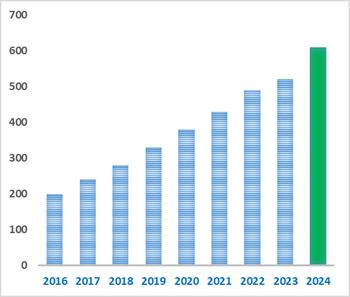
Number of papers citing our products

Isoswertisin Dilution Calculator
Isoswertisin Molarity Calculator
-
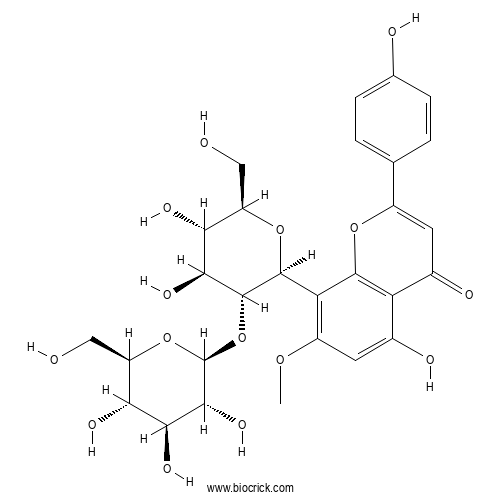 IsospinosinCatalog No.: BCN0376CAS No.: 89701-83-7
 -
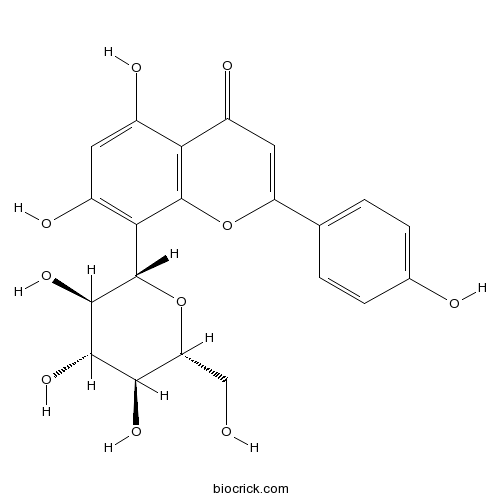 VitexinCatalog No.: BCN5423CAS No.: 3681-93-4
 -
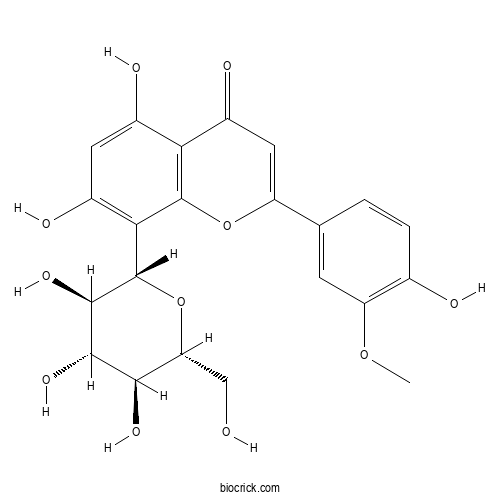 ScoparinCatalog No.: BCX0035CAS No.: 301-16-6
 -
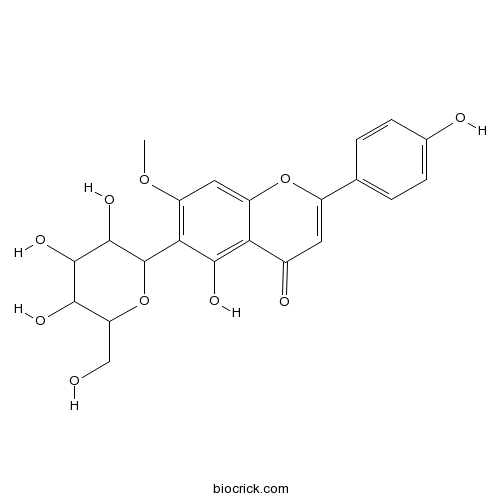 SwertisinCatalog No.: BCN2762CAS No.: 6991-10-2
 -
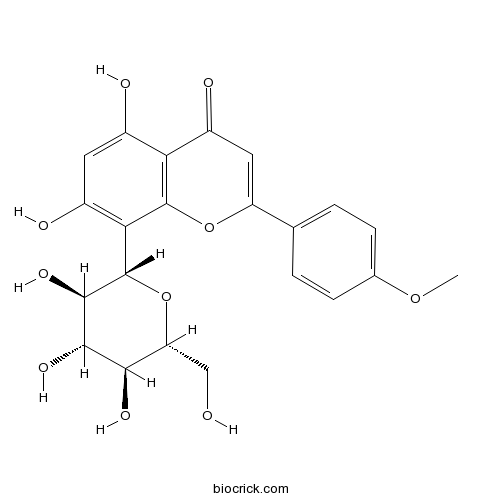 4'-O-MethylvitexinCatalog No.: BCN2642CAS No.: 2326-34-3
 -
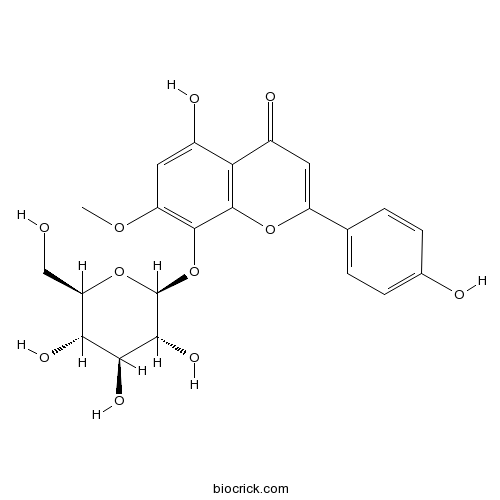 5,8,4'-Trihydroxy-7-methoxyflavone 8-O-glucosideCatalog No.: BCN1372CAS No.: 710952-13-9
 -
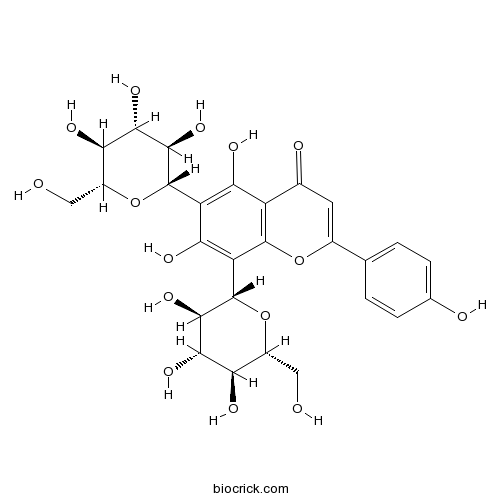 Vicenin -2Catalog No.: BCN3013CAS No.: 23666-13-9
 -
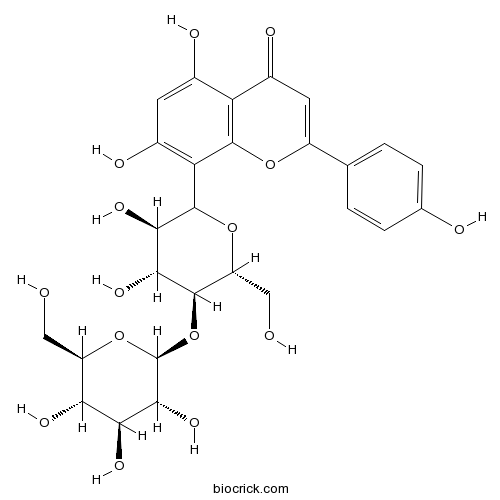 GlucosylvitexinCatalog No.: BCN5929CAS No.: 76135-82-5
 -
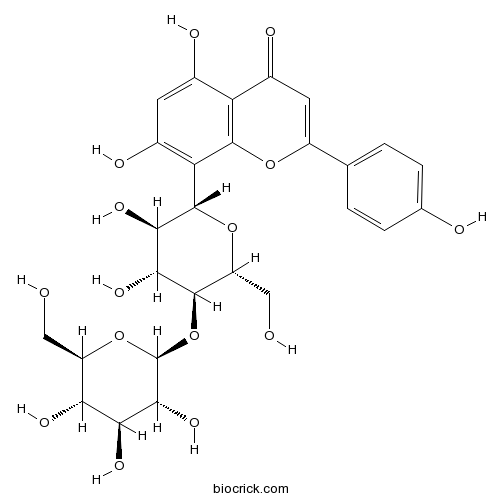 Vitexin -4''-O-glucosideCatalog No.: BCN3054CAS No.: 178468-00-3
 -
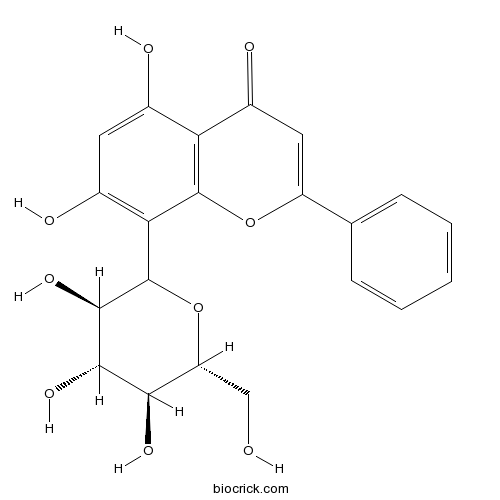 Chrysin 8-C-glucosideCatalog No.: BCN7982CAS No.: 160880-89-7
 -
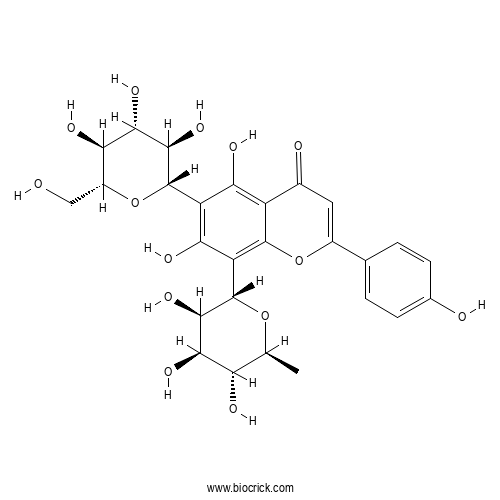 ViolanthinCatalog No.: BCN0359CAS No.: 40581-17-7
 -
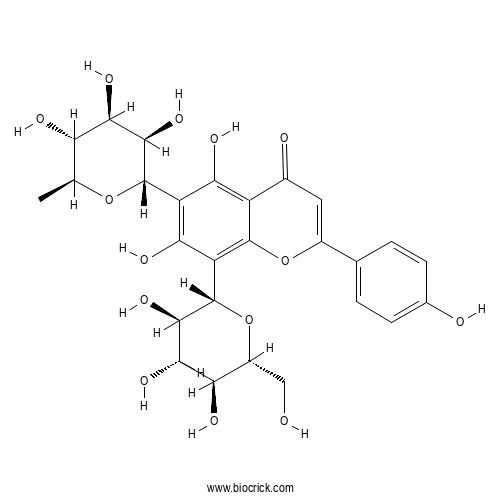 IsoviolanthinCatalog No.: BCN0358CAS No.: 40788-84-9
 -
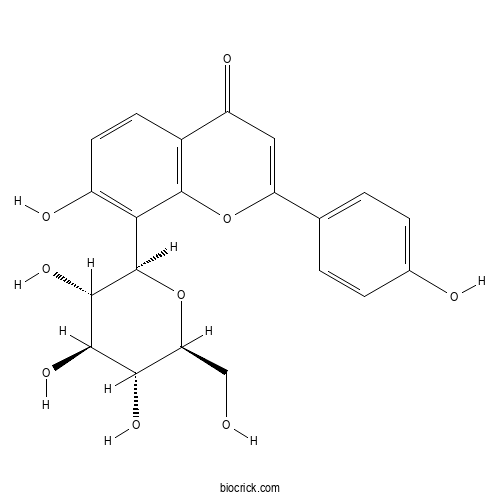 BayinCatalog No.: BCX0039CAS No.: 3681-96-7
 -
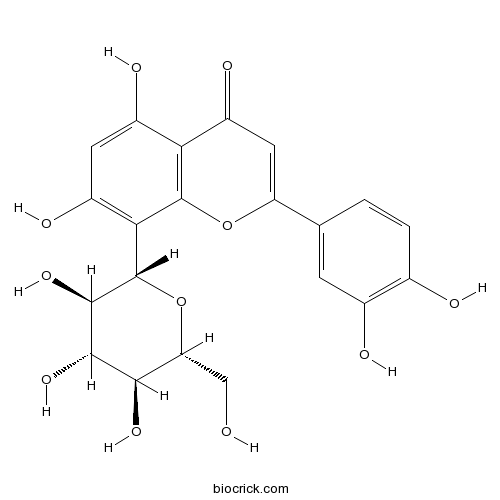 OrientinCatalog No.: BCN4984CAS No.: 28608-75-5
 -
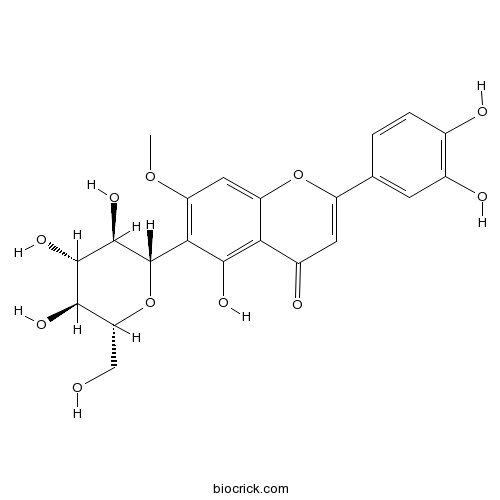 SwertiajaponinCatalog No.: BCN2791CAS No.: 6980-25-2
 -
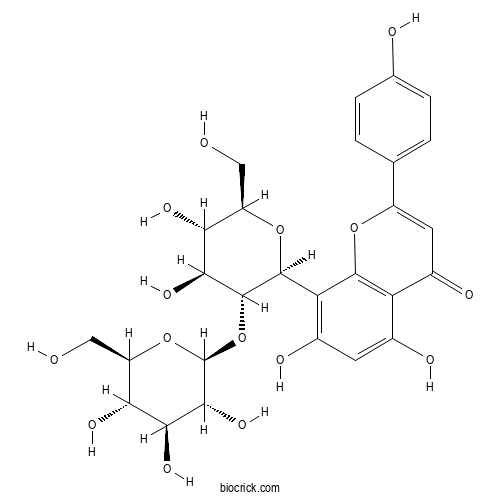 Vitexin 2''-glucosideCatalog No.: BCN0124CAS No.: 61360-94-9
 -
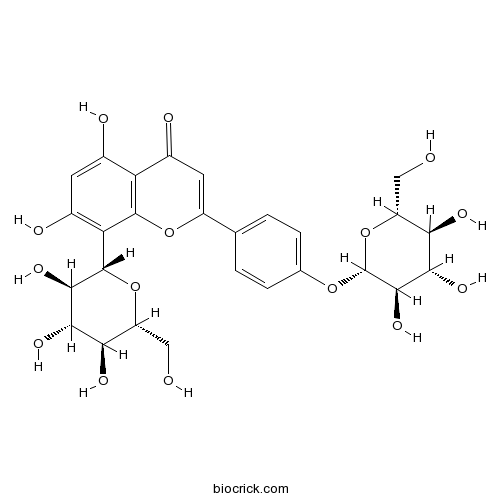 Vitexin 4'-glucosideCatalog No.: BCC9252CAS No.: 38950-94-6
 -
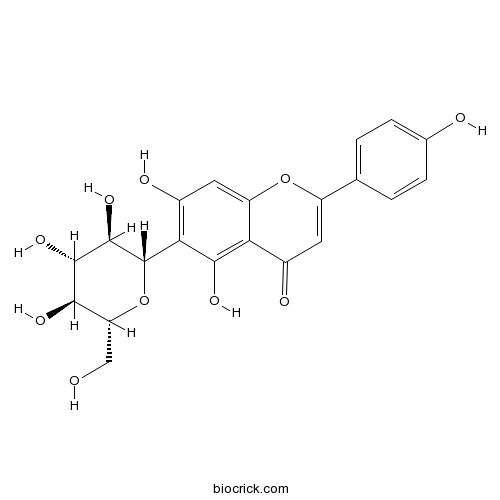 IsovitexinCatalog No.: BCN5441CAS No.: 38953-85-4
 -
 IsovitexinApigenin6-C-glucosideCatalog No.: BCX0887CAS No.: 29702-25-8
 -
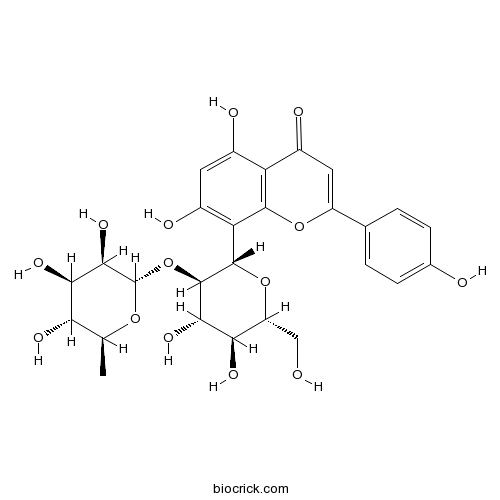 Vitexin-2''-O-rhamnosideCatalog No.: BCN5025CAS No.: 64820-99-1
 -
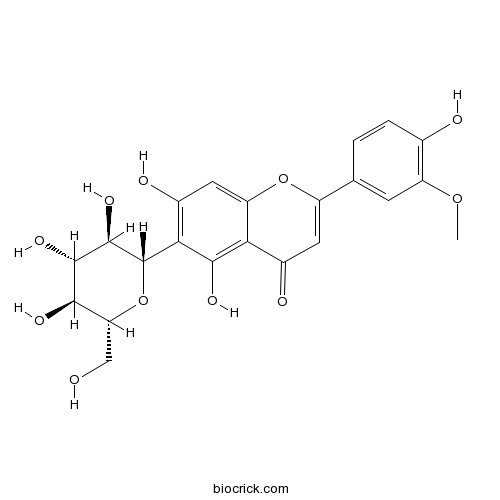 IsoscoparinCatalog No.: BCN7845CAS No.: 20013-23-4
 -
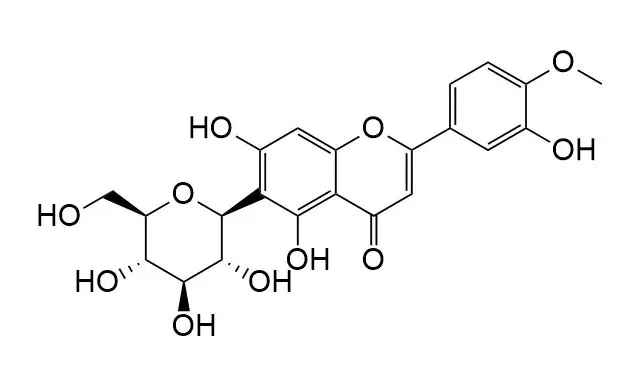 Diosmetin 6-C-glucosideCatalog No.: BCX2198CAS No.: 15822-82-9
 -
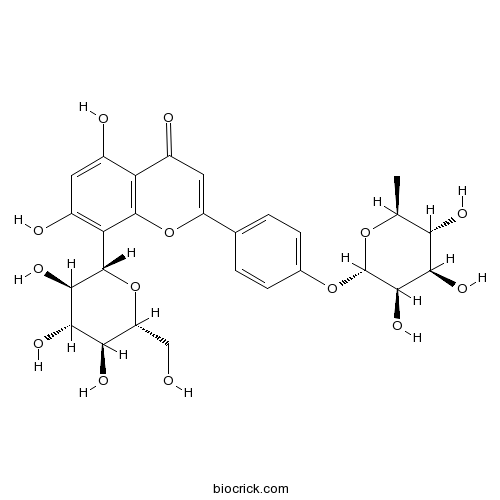 Vitexin-4'-Rhamnoside(Rg)Catalog No.: BCC8369CAS No.: 32426-34-9
 -
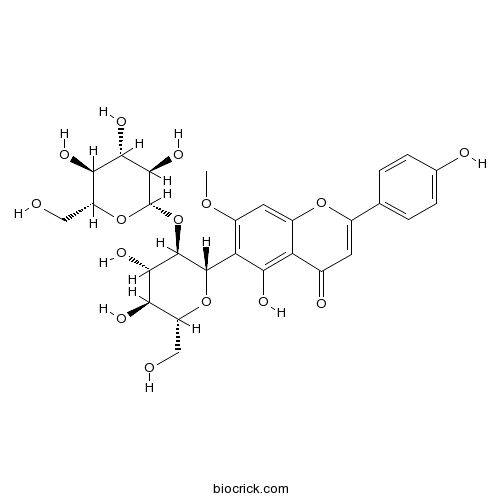 SpinosinCatalog No.: BCN1644CAS No.: 72063-39-9
 -
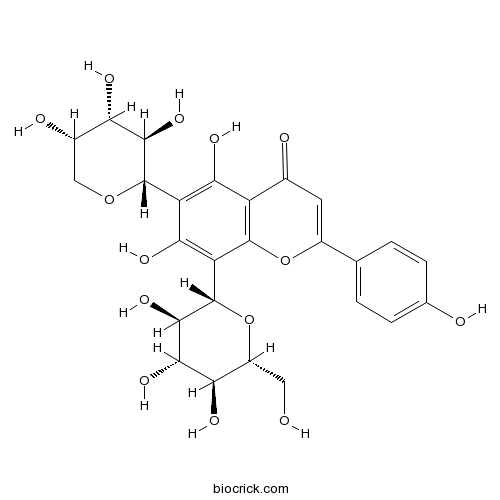 IsoschaftosideCatalog No.: BCN3011CAS No.: 52012-29-0
 -
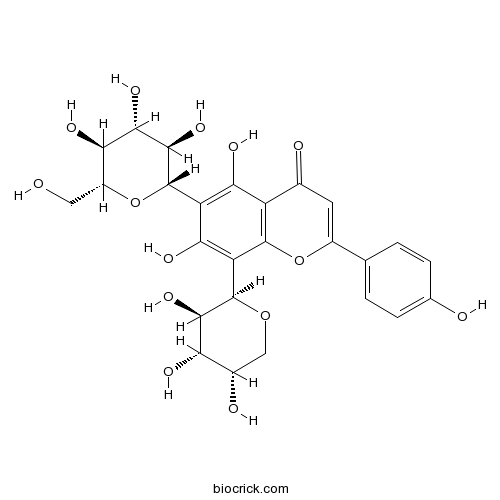 NeoschaftosideCatalog No.: BCN3053CAS No.: 61328-41-4
 -
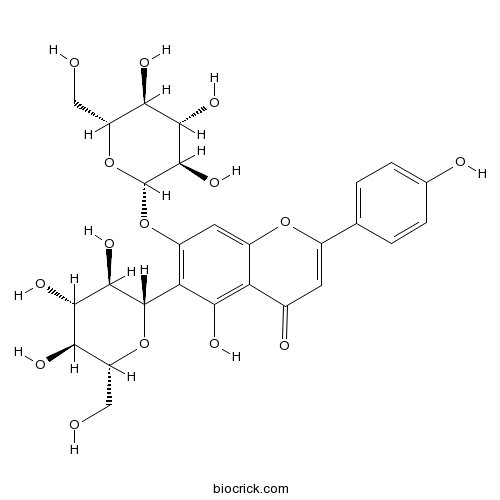 SaponarinCatalog No.: BCN2280CAS No.: 20310-89-8
 -
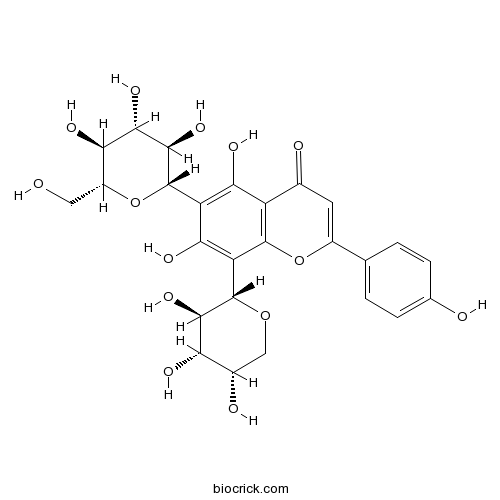 SchaftosideCatalog No.: BCN2343CAS No.: 51938-32-0
 -
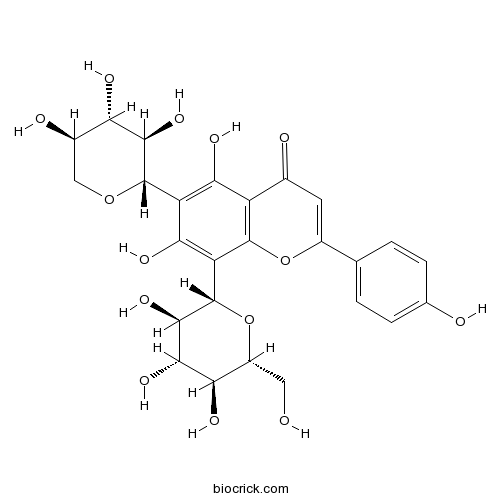 Vicenin -1Catalog No.: BCN3012CAS No.: 35927-38-9
 -
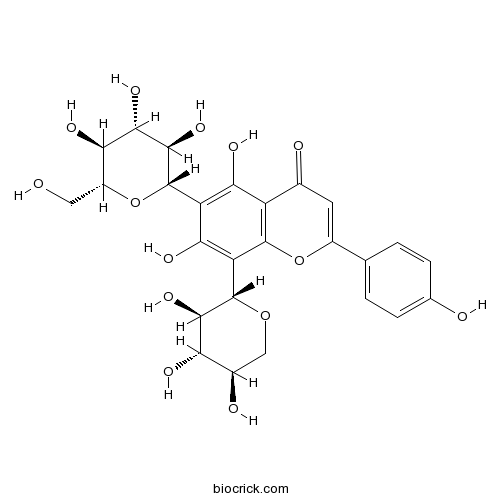 Vicenin -3Catalog No.: BCN3014CAS No.: 59914-91-9
| 1 mg | 5 mg | 10 mg | 20 mg | 25 mg | |
| 1 mM | 2.2401 mL | 11.2007 mL | 22.4014 mL | 44.8029 mL | 56.0036 mL |
| 5 mM | 0.448 mL | 2.2401 mL | 4.4803 mL | 8.9606 mL | 11.2007 mL |
| 10 mM | 0.224 mL | 1.1201 mL | 2.2401 mL | 4.4803 mL | 5.6004 mL |
| 50 mM | 0.0448 mL | 0.224 mL | 0.448 mL | 0.8961 mL | 1.1201 mL |
| 100 mM | 0.0224 mL | 0.112 mL | 0.224 mL | 0.448 mL | 0.56 mL |
| * Note: If you are in the process of experiment, it's necessary to make the dilution ratios of the samples. The dilution data above is only for reference. Normally, it's can get a better solubility within lower of Concentrations. | |||||
- Vernodalin
Catalog No.:BCX2217
CAS No.:21871-10-3
- Euphorbia factor L11
Catalog No.:BCX2216
CAS No.:850560-45-1
- 8-Acetyl-9-hydroxy-3-methoxy-7-methyl-1-phenalenon
Catalog No.:BCX2215
CAS No.:2193052-99-0
- cis-Melilotoside
Catalog No.:BCX2214
CAS No.:2446-60-8
- Batatasin III-3-O-beta-D-glucoside
Catalog No.:BCX2213
CAS No.:189302-75-8
- Methyl gymnoside I
Catalog No.:BCX2212
CAS No.:1454585-33-1
- Cronupapin
Catalog No.:BCX2211
CAS No.:143572-66-1
- 5-Epikarelinine
Catalog No.:BCX2210
CAS No.:2102716-91-4
- Pleionoside G
Catalog No.:BCX2209
CAS No.:2292159-78-3
- Tricin 4'-O-(threo-beta-guaiacylglyceryl)ether
Catalog No.:BCX2208
CAS No.:369390-51-2
- Gymnoside II
Catalog No.:BCX2207
CAS No.:899430-02-5
- Isoswertisin 2''-O-(2'''-methylbutyrate)
Catalog No.:BCX2206
CAS No.:681152-39-6
- Puerarin 6''-O-glucoside
Catalog No.:BCX2219
CAS No.:168060-90-0
- Higenamine 4'-O-beta-D-glucoside
Catalog No.:BCX2220
CAS No.:1440545-91-4
- 15R-Kirenol (ent-2alpha,15R,16,19-tetrahydroxypimar-8(14)-ene)
Catalog No.:BCX2221
CAS No.:1622876-96-3
- 14-Acetoxy-12-senecioyloxytetradeca-2E,8E,10E-trien-4,6-diyn-1-ol
Catalog No.:BCX2222
CAS No.:113269-37-7
- 9S,12S,13S-Trihydroxy-10E-octadecenoate
Catalog No.:BCX2223
CAS No.:97134-11-7
- (S)-7-O-Methylpeucedanol 3'-O-beta-D-glucopyranoside
Catalog No.:BCX2224
CAS No.:214627-06-2
- Hopantenic acid (Dexpanthenol Impurity 4)
Catalog No.:BCX2225
CAS No.:49831-65-4
- Leptodactylone
Catalog No.:BCX2226
CAS No.:61899-44-3
- Byakangelicin-3''-ethyl ether
Catalog No.:BCX2227
CAS No.:68047-30-3
- erythro-1-C-Syringylglycerol 4-O-beta-D-glucopyranoside
Catalog No.:BCX2228
CAS No.:942304-07-6
- 2,3-Dihydroxy-2,3-dihydrosqualene (NSC837085)
Catalog No.:BCX2229
CAS No.:915385-29-4
- Tokinolide A
Catalog No.:BCX2230
CAS No.:112899-62-4
Qualitative and Quantitative Analysis of 24 Components in Jinlianhua Decoction by UPLC-MS/MS.[Pubmed:32214429]
Chromatographia. 2019;82(12):1801-1825.
Jinlianhua Decoction (JD), composed of Flos Trollii, Herba Taraxaci, Folium Isatidis, Radix Puerariae Lobatae, and Folium Perillae in a ratio of 6:15:10:10:6, is a prescription for Fengwen which is a group of febrile diseases due to wind in Chinese medicine. It was originally used for the prevention and treatment of severe acute respiratory syndrome (SARS), and could also be used to treat influenza due to their common pathomechanism. To elucidate the unclear pharmacodynamic basis of JD, the LC-QExactive-MS system was used to qualitatively analyze its main components in this study. As a result, 89 compounds were identified and 24 important ones were selected thereby to further perform the simultaneous quantification in 8 batches of JD samples using LC-QTrap-MS with multiple reaction monitoring (MRM). Based on the qualitative and quantitative results in combination with the bioactivities reported, 16 compounds including orientin, 2''-O-beta-l-galactopyranosylorientin, puerarin, trollisin I, rosmarinic acid, 2''-O-(2'''-methylbutanoyl) Isoswertisin, daidzin, scutellarin, 3'-methoxy puerarin, vitexin, 3'-hydroxy puerarin, 2''-O-(2'''-methylbutanoyl) vitexin, kaempferol, caffeic acid, 3,4-dimethoxybenzoic acid, and cynaroside were determined as the major components of JD. This study provides a useful combinational method for analyzing the major pharmacodynamic substances of JD and lays a foundation for the quality control research of the decoction.
Flavone C-glycosides from Trichuriella monsoniae (L.f.) Bennet.[Pubmed:26956555]
Nat Prod Res. 2016 Oct;30(19):2235-7.
In the first phytochemical investigation of Trichuriella monsoniae, three known flavonoidal C-glycosides, Isoswertisin 1, 2''-O-beta-d-galactosyl Isoswertisin 2 and 2''-O-beta-d-xylosyl Isoswertisin 3 were isolated from the methanolic extract of the whole plant. Their structures were elucidated by extensive NMR spectroscopic studies including 2D NMR and HRMS, and the structure of 2 was supported by single crystal X-ray data studies. Further, NMR assignments for 3 are being reported for the first time.
[Flavone C-glycosides from seeds of Ziziphus jujuba var. spinosa].[Pubmed:26281588]
Zhongguo Zhong Yao Za Zhi. 2015 Apr;40(8):1503-7.
Five flavone C-glycosides were isolated from the methanol extract of the degrease seeds of Ziziphus jujuba var. spinosa though various column chromatography methods including silica gel, MPLC, and HPLC. The structures were elucidated as 6"-feruloyl- 6'''-vanillylspinosin(1), 6",6'"-diferuloylspinosin(2), spinosin(3), swertisin(4) and Isoswertisin(5) based on the NMR and MS spectral data. 1 is a new compound.
Separation of phenolic acids and flavonoids from Trollius chinensis Bunge by high speed counter-current chromatography.[Pubmed:26262599]
J Chromatogr B Analyt Technol Biomed Life Sci. 2015 Sep 15;1001:82-9.
In this work, eleven compounds were successfully separated from Trollius chinensis Bunge by using a two-step high-speed counter-current chromatography (HSCCC) method. NRTL-SAC (nonrandom two-liquid segment activity coefficient) method, a newly developed solvent system selection strategy, was applied to screening the suitable biphasic liquid systems. Hexane/ethyl acetate/ethanol/water (3:7:3:7, v/v) solvent system was used in the first step, while the hexane/ethyl acetate/methanol/water (1:2:1:2, 1:4:1:4, 1:9:1:9, v/v) systems were employed in the second step. The chemical structures of the separated compounds were identified by UV, high resolution ESI-MS and MS/MS data. The separated compounds are 3,4-dihydroxyphenylethanol (1), vanillic acid (2), orientin (3), vitexin (4), veratric acid (5), 2''-O-(3''', 4'''-dimethoxybenzoyl) orientin (6), 2''-O-feruloylorientin (7), 2''-O-feruloylvitexin (8), 2''-O-(2'''-methylbutyryl) vitexin (9), 2''-O-(2'''-methylbutyryl) isoswertiajaponin (10), 2''-O-(2'''-methylbutyryl) Isoswertisin (11). The results demonstrate that HSCCC is a powerful tool for the separation of compounds from extremely complex samples.
Characterization of the intestinal absorption of seven flavonoids from the flowers of Trollius chinensis using the Caco-2 cell monolayer model.[Pubmed:25789809]
PLoS One. 2015 Mar 19;10(3):e0119263.
The human Caco-2 cell monolayer model was used to investigate the absorption property, mechanism, and structure-property relationship of seven representative flavonoids, namely, orientin, vitexin, 2"-O-beta-L-galactopyranosylorientin, 2"-O-beta-L-galactopyranosylvitexin, Isoswertisin, isoswertiajaponin, and 2"-O-(2"'-methylbutanoyl)Isoswertisin from the flowers of Trollius chinensis. The results showed that these flavonoids were hardly transported through the Caco-2 cell monolayer. The compounds with 7-OCH3 including Isoswertisin, isoswertiajaponin and 2"-O-(2"'-methylbutanoyl)Isoswertisin were absorbed in a passive diffusion manner, and their absorbability was increased in the same order as their polarity. The absorption of the remaining compounds with 7-OH including orientin, vitexin, 2"-O-beta-L-galactopyranosylorientin, and 2"-O-beta-L-galactopyranosylvitexin involved transporter mediated efflux in addition to passive diffusion. Among the four compounds with 7-OH, those with a free hydroxyl group at C-2" such as orientin and vitexin were the substrates of P-glycoprotein (P-gp) and that with a free hydroxyl group at C-2' such as 2"-O-beta-L-galactopyranosylorientin was the substrate of multidrug resistance protein 2 (MRP2). The results of this study also implied that the absorbability of the flavonoids should be taken into account when estimating the effective components of T. chinensis.
Two new flavone C-glycosides from Trollius ledebourii.[Pubmed:22041076]
Chem Pharm Bull (Tokyo). 2011;59(11):1393-5.
Two new flavone C-glycosides, trollisin A (1) and trollisin B (2), along with seven known flavonoids, Isoswertisin (3), isoswertiajaponin (4), orientin (5), 2''-O-beta-L-galactopyranosylvitexin (6), 2''-O-beta-L-galactopyranosylorientin (7), neodiosmin (8) and acacetin-7-O-neohesperidoside (9) were isolated from the flowers of Trollius ledebourii REICHB. The structures of the new compounds were elucidated based on spectral analysis, including MS, 1D- and 2D-NMR experimentation.
Antioxidant and urease inhibitory C-glycosylflavonoids from Celtis africana.[Pubmed:21830883]
J Asian Nat Prod Res. 2011 Sep;13(9):799-804.
Two new C-glycosylflavonoids celtisides A (1) and B (2) have been isolated from n-butanol-soluble fraction of Celtis africana, along with five known C-glycosylflavonoids vitexin (3), orientin (4), isoswertiajaponin (5), Isoswertisin (6), and 2''-O-rhamnosyl vitexin (7) reported for the first time from this species. Their structures were assigned from 1D and 2D NMR spectra. These compounds were investigated for biological activities and showed significant antioxidant and urease inhibitory activities.
Isoswertisin flavones and other constituents from Peperomia obtusifolia.[Pubmed:21240754]
Nat Prod Res. 2011 Jan;25(1):1-7.
A phytochemical investigation of the leaves and stems of Peperomia obtusifolia (Piperaceae) yielded a new flavone C-diglycoside Isoswertisin-4'-methyl-ether-2''alpha-L-rhamnoside (1), along with four known compounds: Isoswertisin-2''alpha-L-rhamnoside (2), (+)-diayangambin (3), 2-episesalatin (4) and corchoionoside C (5). The structures of the two flavone C-diglycosides (1, 2) were elucidated on the basis of 1D and 2D NMR spectroscopy and MS spectrometric data. These flavones were evaluated by bioautographic assay against Cladosporium cladosporioides and C. sphaerospermum and showed weak antifungal activity.
Acylated flavone C-glycosides from Hemistepta lyrata.[Pubmed:20839125]
J Asian Nat Prod Res. 2010 Sep;12(9):776-80.
Two new acylated flavone C-glycosides, 6''-O-(2'''-methylbutyryl)Isoswertisin (1) and 6''-O-(2'''-methylbutyryl)isoswertiajaponin (2), together with four known acylated flavone C-glycosides, were isolated for the first time from the whole plants of Hemistepta lyrata (Compositae). Their structures were elucidated on the basis of chemical and spectroscopic methods including HR-ESI-MS, ESI-MS, UV, IR, and 1D and 2D NMR spectral techniques.
Anti-inflammatory activity of flavonoids from Cayaponia tayuya roots.[Pubmed:19041703]
J Ethnopharmacol. 2009 Jan 21;121(2):333-7.
ETHNOPHARMACOLOGICAL RELEVANCE: Taiuia or tayuya (Cayaponia tayuya, Cucurbitaceae) is a climbing, lignified plant with a large swollen root that has traditionally been used as an anti-inflammatory and anti-rheumatic agent in the folk medicine of Brazil, Peru, and Colombia. THE AIM OF THE STUDY: We have assayed the pharmacological properties of a flavonoid fraction obtained from the butanol extract of Cayaponia tayuya roots using two models of topical mouse ear oedema, paying special attention to its influence on the induction on pro-inflammatory enzymes and peptidic mediators. MATERIAL AND METHODS: The in vivo experiments involved both the acute oedema induced by a single application of TPA and the subchronic inflammation brought on by repeated applications of TPA. The effects on the induction of pro-inflammatory enzymes and peptidic mediators in RAW 264.7 macrophages were analyzed with the aid of Western blot analysis. RESULTS: The extract was identified as a mixture of flavonoids in which vicenin-2, spinosin, isovitexin, and a mixture of swertisin and Isoswertisin were found. In acute TPA-induced oedema in mouse ears, the flavonoid-enriched fraction (at a dose of 0.5mg/ear) inhibited the oedema by 66% (4.2+/-0.6 mg vs. 12.3+/-1.4 mg, P<0.01) while in the subchronic model, the inhibition reached 37% at a dose of 0.5mg/ear x 7 applications (7.5+/-0.6 mg vs. 11.9+/-1.3mg, P<0.05). When assayed in vitro, the flavonoid showed no toxicity at 33.45 microg/mL on RAW 264.7 macrophages. Although the nitric oxide production in these cells was moderately reduced (42%) at 33.45 microg/mL, the flavonoid-enriched fraction had no effect on TNF-alpha production. In addition, at 22.30 microg/mL, the test sample inhibited both iNOS and COX-2 expression by 98% and 49%, respectively. CONCLUSION: These results indicate that the anti-inflammatory activity of flavonoids from tayuya roots most likely stems from their inhibition of the induction of the enzymes COX-2 and iNOS.
Antiviral flavonoid-type C-glycosides from the flowers of Trollius chinensis.[Pubmed:17193271]
Chem Biodivers. 2006 Mar;3(3):343-8.
Two new flavonoid-type C-glycosides, trollisin I (= (1S)-1,5-anhydro-1-[2-(3,4-dihydroxyphenyl)-5-hydroxy-7-methoxy-4-oxo-4H-[1]benzopyran-8-yl]-2-O-(2-methylbutanoyl)-D-glucitol; 1) and its 2-O-benzoyl congener trollisin II (2), were isolated from Trollius chinensis Bunge, together with the two known compounds 2''-O-(2'''-methylbutanoyl)Isoswertisin (3) and vitexin galactoside (4). All compounds were identified by HR-ESI-MS and in-depth NMR-spectroscopic analyses. In antiviral assays, compound 3 was found to be moderately active towards influenza virus A.
Bioactive compounds from Peperomia pellucida.[Pubmed:16499324]
J Nat Prod. 2006 Feb;69(2):247-50.
Five new compounds (1-5), including two secolignans, two tetrahydrofuran lignans, and one highly methoxylated dihydronaphthalenone, were isolated from the whole plant of Peperomia pellucida. These compounds were accompanied by the known peperomins A, B, C, and E, 7,8-trans-8,8'-trans-7',8'-cis-7,7'-bis(5-methoxy-3,4-methylenedioxyphenyl)-8-acetoxymethyl-8'-hydroxymethyltetrahydrofuran, 7,8-trans-8,8'-trans-7',8'-cis-7-(5-methoxy-3,4-methylenedioxyphenyl)-7'-(4-hydroxy-3,5-dimethoxyphenyl)-8,8'-diacetoxymethyltetrahydrofuran, sesamin, and Isoswertisin. New structures were elucidated mainly by NMR and MS techniques, and anticancer activities evaluated in HL-60, MCF-7, and HeLa cell lines. Compound 1 and peperomin E show growth inhibitory effects on the three cancer cell lines with IC(50) values ranging between 1.4 and 9.1 and between 1.8 and 11.1 microM, respectively. Compound 2 has a weak suppressive activity on HL-60 cells (IC(50) = 10.8 microM), while 7,8-trans-8,8'-trans-7',8'-cis-7,7'-bis(5-methoxy-3,4-methylenedioxyphenyl)-8-acetoxymethyl-8'-hydroxymethyltetrahydrofuran exhibits estrogen-like properties (EC(50) = 3.1 microM) in CV-1 cells transfected with human estrogen receptor (ERalpha).
[HPLC fingerprinting of total glycosides of Swertia franchetiana].[Pubmed:16220791]
Yao Xue Xue Bao. 2005 May;40(5):447-52.
AIM: To establish a sensitive and specific HPLC method for controlling the quality of total glycosides from Swertia franchetiana H. Smith. METHODS: HPLC method was applied for quality and quantitative assessment of the pharmaceutical extracts from Swertia franchetiana H. Smith. The preparation of sample, the HPLC column, mobile phase, elution mode (isocratic or gradient) and gradient program were optimized in order to obtain HPLC profile. The HPLC system consisted of a SPD-1OAvp pump, SPD-M1OAVP photodiode-array detector (PAD), SIL-10ADVP auto injector. Data were acquired and processed with the CLASS-VP6.1 workstation. HPLC analysis was performed on a Kromasil C18 column (250 mm x 4. 6 mm ID, 5 microm) with methanol and water as mobile phase. The column temperature was set up at 40 degrees C and the flow-rate was 1 mL x min(-1). The reference solution of chemical standards and sample were injected into HPLC system, separately. RESULTS: The HPLC chromatographic fingerprinting of the total glycosides, showing 16 characteristic peaks which were partitioned into three parts: one peak in 0-10 min of retention time, nine peaks containing main 1-7 peaks in 10-15 min of retention time, 6 peaks in 15-30 min of retention time, was established from 10 lots of their products. By comparison of the retention time and the on-line UV spectra and their molecule weights of chemical standards, peak 1-7 were identified as swertiamarin (1), gentiopicroside (2), sweroside (3), isoorientin (4), swertisin (5), Isoswertisin (6) and swetianolin (7), respectively. The ratios of peak area between 1-16 were in their extent. Moreover, comparison of the HPLC profiles of the total glycosides, the extracts prepared using another process and the plant indicated that they were closely related to each other. CONCLUSION: The HPLC profiles and quantitative assessment of the total glycosides from Swertia franchetiana H. Smith with high specificity can be used to control their quality and assure lot to lot consistency.
Acylated flavone C-glycosides from Trollius ledebouri.[Pubmed:15104499]
J Nat Prod. 2004 Apr;67(4):664-7.
Six new acylated flavone C-glycosides, 2''-O-(2'''-methylbutyryl)Isoswertisin (1), 3''-O-(2'"-methylbutyryl)Isoswertisin (2), 2''-O-(2'"-methylbutyryl)vitexin (3), 2''-O-(2'"-methylbutyryl)orientin (4), 2''-O-(3'",4'"-dimethoxybenzoyl)vitexin (5), and 2''-O-(3'",4'"-dimethoxybenzoyl)orientin (6), and the known flavone C-glycoside, Isoswertisin, were isolated from the flowers of Trollius ledebouri. The structures of 1-6 were elucidated by spectroscopic methods.
Trollioside, a new compound from the flowers of Trollius chinensis.[Pubmed:15008460]
J Asian Nat Prod Res. 2004 Jun;6(2):139-44.
A new compound, named trollioside, together with nine known compounds, proglobeflowery acid, Isoswertisin, isoswertiajaponin, cirsimaritin, veratric acid, vitexin, orientin, beta-sitosterol and daucosterol, were isolated from the ethanol extract of the dried flowers of Trollius chinensis Bunge. The isolation and structural determination of these compounds are discussed.

Calcutta University

University of Minnesota

University of Maryland School of Medicine

University of Illinois at Chicago

The Ohio State University

University of Zurich

Harvard University

Colorado State University

Auburn University

Yale University

Worcester Polytechnic Institute

Washington State University

Stanford University

University of Leipzig

Universidade da Beira Interior

The Institute of Cancer Research

Heidelberg University

University of Amsterdam

University of Auckland

TsingHua University

The University of Michigan

Miami University

DRURY University

Jilin University

Fudan University

Wuhan University

Sun Yat-sen University

Universite de Paris

Deemed University

Auckland University

The University of Tokyo

Korea University