Cystic Fibrosis Research
Cystic fibrosis (CF) is a common inherited disease that mostly affects the lungs and airways of a sufferer. One of the main pathological characteristics of CF is the failure of airway defence against bacterial infection, leading to frequent chest infection and progressive lung damage.
Cystic Fibrosis Research Products Targets
Products for Cystic Fibrosis Research - Page 2
- Cat.No. Product Name Information/Activity
-
BCC6314
CaCCinh-A01
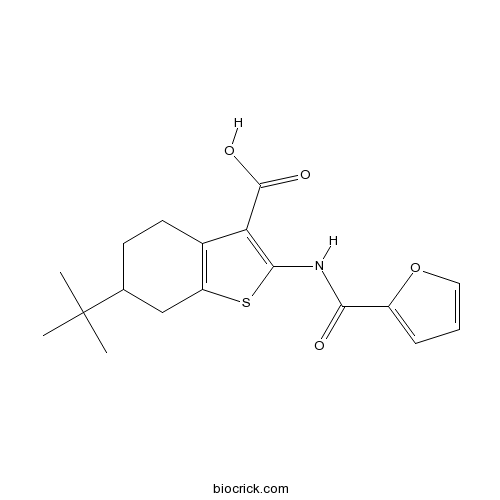
CaCCinh-A01 is an inhibitor of both TMEM16A and calcium-activated chloride channel (CaCC) with IC50s of 2.1 and 10 μM, respectively.
-
BCC4419
CFTRinh-172
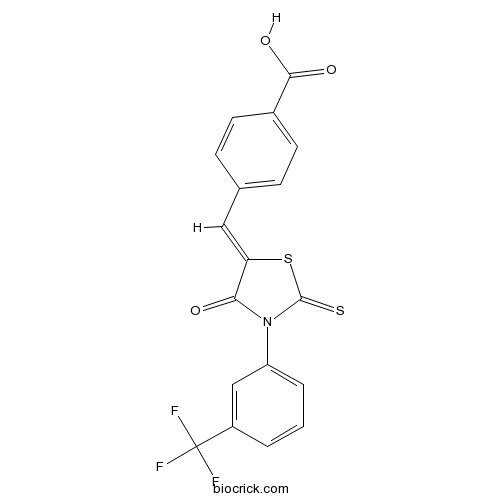
CFTR(inh)-172 is a potent and selective blocker of the CFTR chloride channel; reversibly inhibits CFTR short-circuit current in less than 2 minutes with a Ki of 300 nM.
-
BCC7055
Chromanol 293B
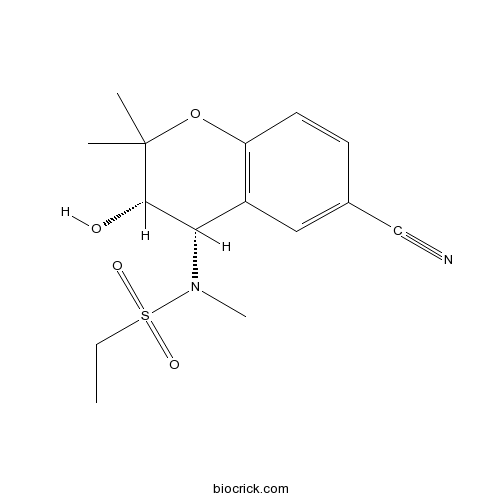
163163-23-3
-
BCC7105
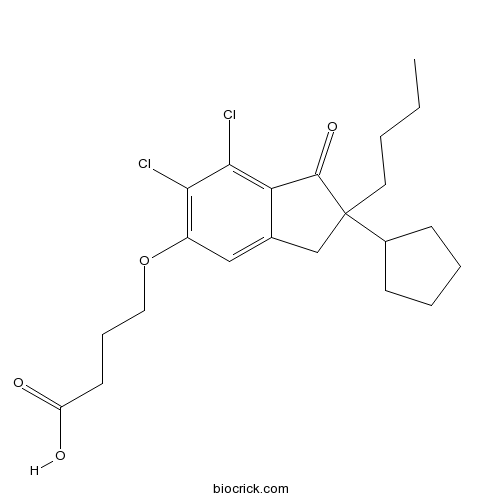
DCPIB
DCPIB is a selective, reversible and potent inhibitor of volume-regulated anion channels (VRAC), voltage-dependently activates potassium channels TREK1 and TRAAK, inhibits TRESK, TASK1 and TASK3 (IC50s, 0.14, 0.95, 50.72 μM, respectively). DCPIB is also a selective blocker of swelling-induced chloride current (ICl,swell), with an IC50 of 4.1 μM in CPAE cells.
-
BCC7942
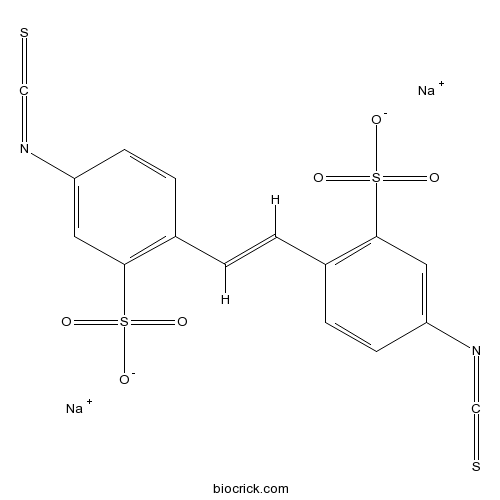
DIDS
Chloride channel blocker; TRPV1 modulator; RAD51 recombinase inhibitor
-
BCC6326
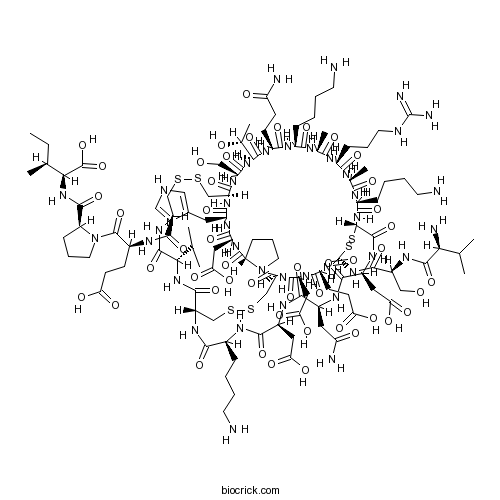
GaTx2
194665-85-5
-
BCC4784
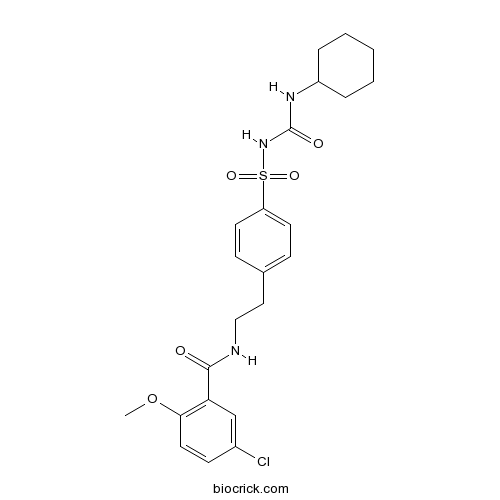
Glyburide
Glibenclamide is a selective inhibitor of ATP-sensitive K+ channel.
-
BCC4104
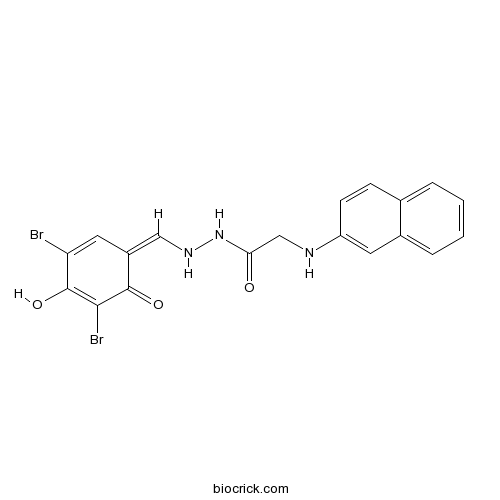
GlyH-101
GlyH-101 is a cell-permeable glycinyl hydrazone compound that blocks CFTR with Ki of 1.4 uM.
-
BCC6711
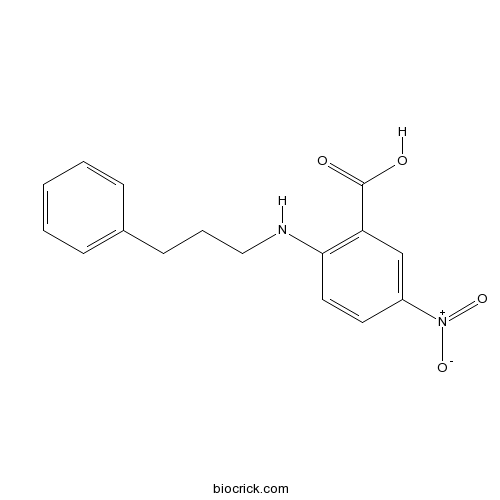
NPPB
NPPB is a blocker of the outwardly rectifying chloride channel (ORCC).
-
BCC5248
PPQ-102
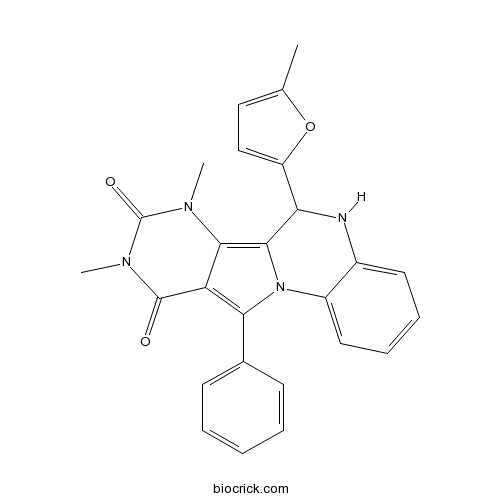
PPQ-102 is a potent CFTR inhibitor which can completely inhibited CFTR chloride current with IC50 of ~90 nM.