Pain and Inflammation Research
Although separate conditions, pain and inflammation are nearly always associated with each other. Pain is defined by the International Association for the Study of Pain (IASP) as 'an unpleasant sensory and emotional experience associated with actual or potential tissue damage, or described in terms of such damage'. Inflammation is the tissue's immunologic response to injury, characterized by mobilization of white blood cells and antibodies, swelling, and fluid accumulation.
Pain and Inflammation Research Products Areas
Products for Pain and Inflammation Research - Page 69
- Cat.No. Product Name Information/Activity
-
BCC7995
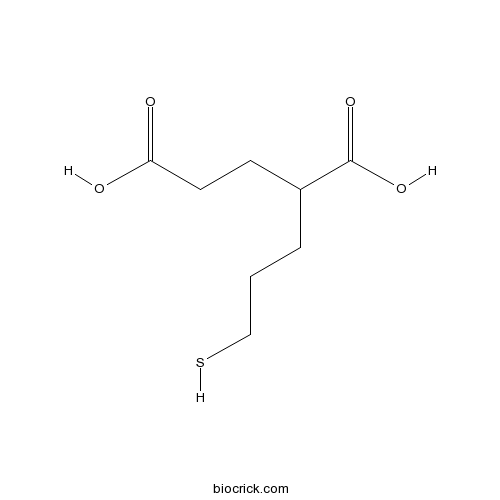
2-MPPA
254737-29-6
-
BCC6634
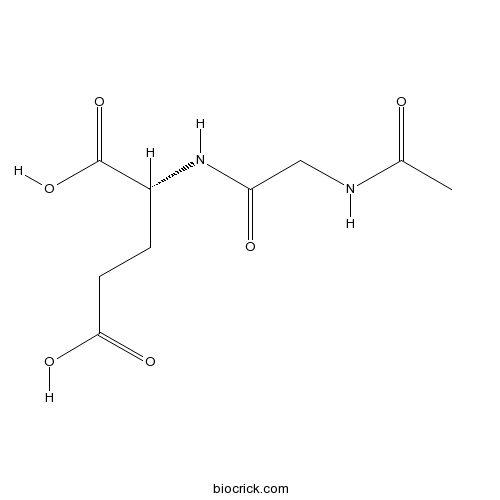
N-Acetylglycyl-D-glutamic acid
135701-69-8
-
BCC6612
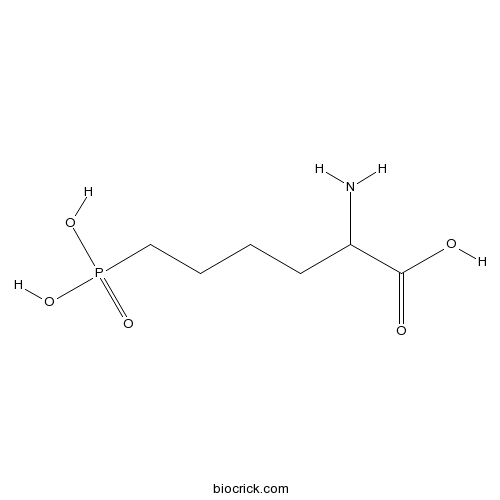
L-AP6
78944-89-5
-
BCC7400
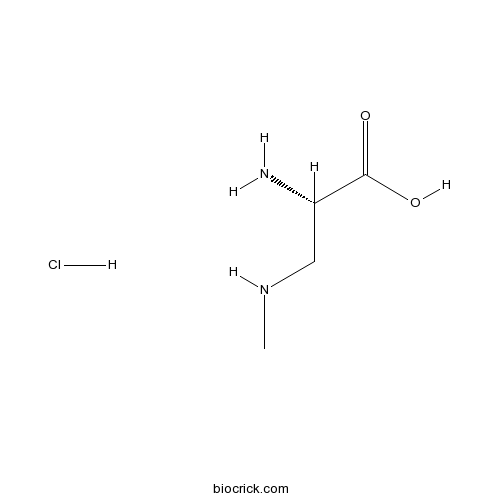
L-BMAA hydrochloride
16012-55-8
-
BCC6585
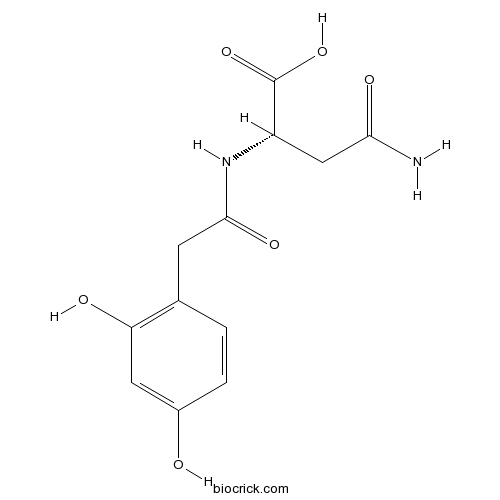
2,4-Dihydroxyphenylacetyl-L-asparagine
111872-98-1
-
BCC5051
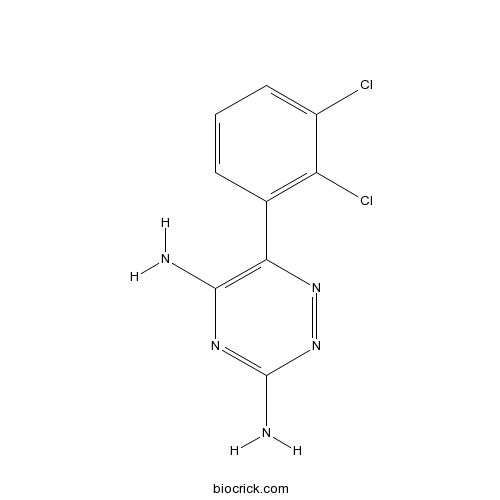
Lamotrigine
Lamotrigine(BW430C) is a novel anticonvulsant drug for inhibition of 5-HT and sodium channel Target: Sodium Channel Lamotrigine stabilises presynaptic neuronal membranes by blockade of voltage-dependent sodium channels, thus preventing the release of excitatory neurotransmitters, particularly glutamate and aspartate [1].
-
BCC7086
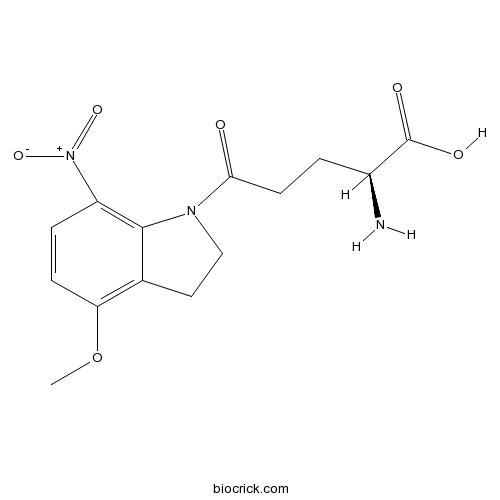
MNI-caged-L-glutamate
295325-62-1
-
BCC6731
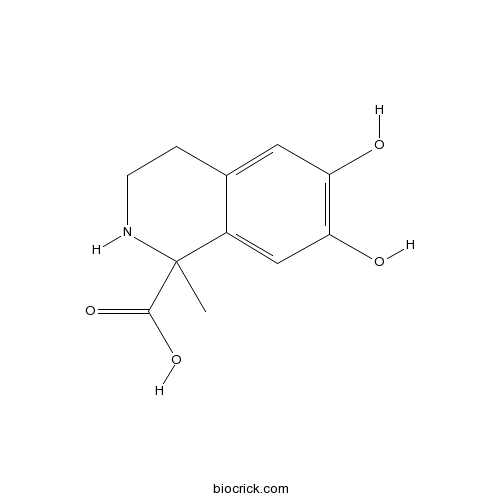
Salsolinol-1-carboxylic acid
57256-34-5
-
BCC6632
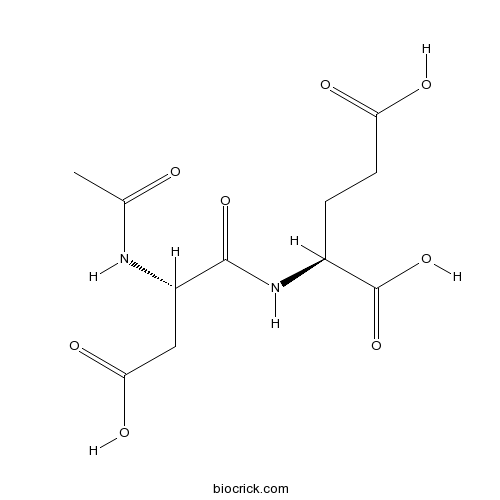
Spaglumic acid
Spaglumic Acid is a neuropeptide found in millimolar concentrations in brain.
-
BCN2571
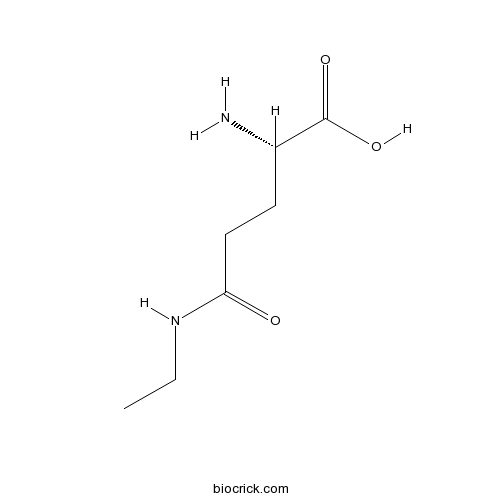
L-Theanine
L-Theanine (L-Glutamic Acid γ-ethyl amide)is a non-protein amino acid contained in green tea leaves, which blocks the binding of L-glutamic acid to glutamate receptors in the brain, and with neuroprotective and anti-oxidative activities. L-Theanine causes anti-stress effects via the inhibition of cortical neuron excitation by oral intake.