Nociception
Nociception is the sensory process that provides the signals that lead to pain. This occurs through nociceptors, primary sensory neurons that are activated by stimuli that cause tissue damage. Stimuli can include tissue injury, extremes of heat and noxious chemicals. Unlike other sensory neurons that detect vision or taste, nociceptors are located all around the body, particularly under the skin, however, they are notably absent from the brain.
Nociception Products Targets
- Others (20)
- Nucleoside Transporter (5)
- Glycine Transporter (6)
- GABA (10)
- Cannabinoid Transporter (10)
- Acetylcholine Transporter (1)
- D4 Receptor (12)
- 5-HT7 Receptor (11)
- 5-HT6 Receptor (14)
- 5-ht5 Receptor (2)
- 5-HT4 Receptor (17)
- NK2 Receptor (7)
- NK1 Receptor (15)
- NOP Receptor (21)
- Mu-Opioid Receptors (15)
- Kappa Opioid Receptors (14)
- Glutamate (Metabotropic) Group III Receptor (26)
- Glutamate (Metabotropic) Group II Receptor (33)
- Glutamate (Metabotropic) Group I Receptor (54)
- AMPA Receptor (45)
- GABAA-ρ Receptor (8)
- GABAA Receptor (66)
- GPR55 (8)
- CB2 Receptor (6)
- CB1 Receptor (17)
- Voltage-gated Sodium (NaV) Channels (30)
- Voltage-gated Potassium (KV) Channels (38)
- Voltage-gated Calcium Channels (CaV) (38)
- Neurotensin Receptors (7)
- Glycine Receptors (6)
- Fatty Acid Amide Hydrolase (15)
- Cyclooxygenases (24)
- Bradykinin Receptors (12)
- D3 Receptor (12)
- NK3 Receptor (5)
- Vesicular Monoamine Transporter (4)
- NMDA Receptor (87)
- Kainate Receptor (22)
- D2 Receptor (14)
- D1 and D5 Receptor (16)
- Glutamate Transporter (18)
- Dopamine Transporter (20)
- Histamine H4 Receptor (12)
- Histamine H3 Receptor (22)
- Histamine H2 Receptor (10)
- Histamine H1 Receptor (17)
- Adrenergic Transporter (23)
- 5-HT Transporter (30)
- NO donors and precursors (9)
- nNOS (5)
- iNOS (11)
- eNOS (1)
- M5 Receptor (2)
- M4 Receptor (3)
- M3 Receptor (4)
- M2 Receptor (5)
- M1 Receptor (8)
- Delta opioid receptor (16)
- Adrenergic α2 Receptor (33)
- Adrenergic α1 Receptor (22)
- Adrenergic β3 Receptor (12)
- Adrenergic β2 Receptor (6)
- Adrenergic β1 Receptor (7)
Products for Nociception - Page 64
- Cat.No. Product Name Information/Activity
-
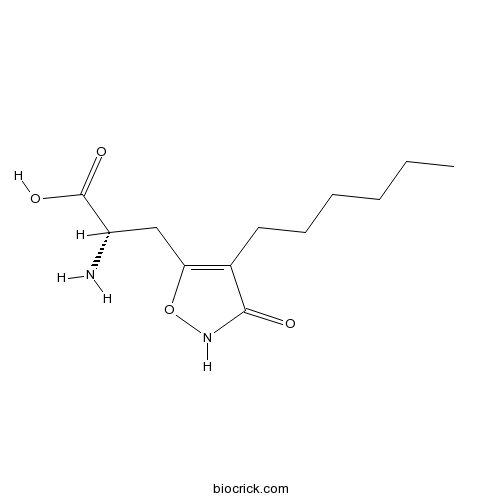
BCC7167
(S)-HexylHIBO
334887-48-8
-
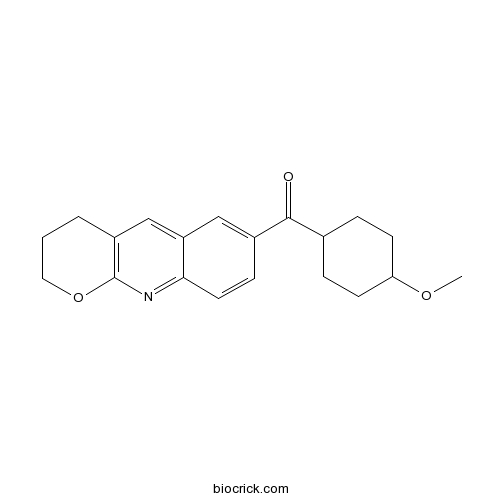
BCC7332
JNJ 16259685
JNJ16259685 is a selective antagonist of mGlu1 receptor, and inhibits the synaptic activation of mGlu1 in a concentration-dependent manner with IC50 of 19 nM.
-
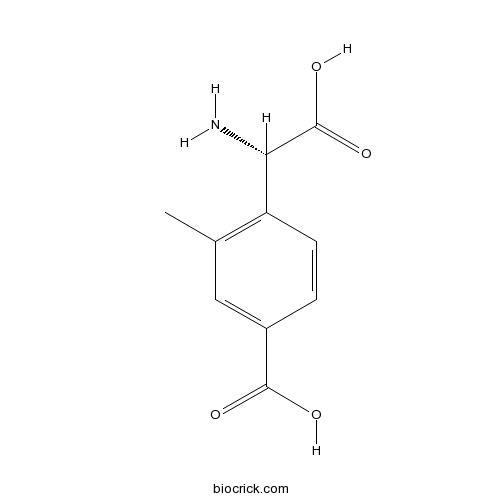
BCC6983
LY 367385
LY367385 is a highly potent and selective mGluR1a antagonist. LY367385 has an IC50 of 8.8 μM for inhibits of quisqualate-induced phosphoinositide (PI) hydrolysis, compared with > 100 μM for mGlu5a. LY367385 has neuroprotective, anticonvulsant and antiepileptic effects.
-
BCC7347
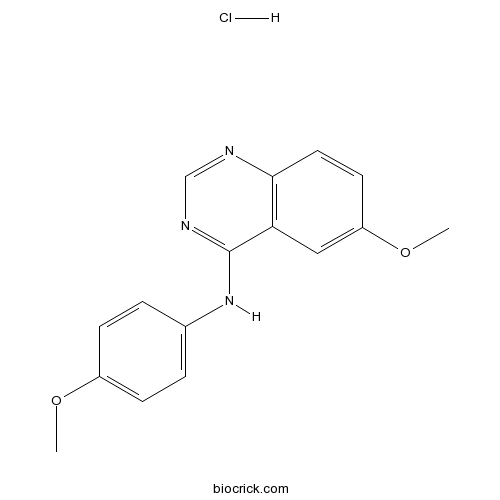
LY 456236 hydrochloride
338736-46-2
-
BCC7281
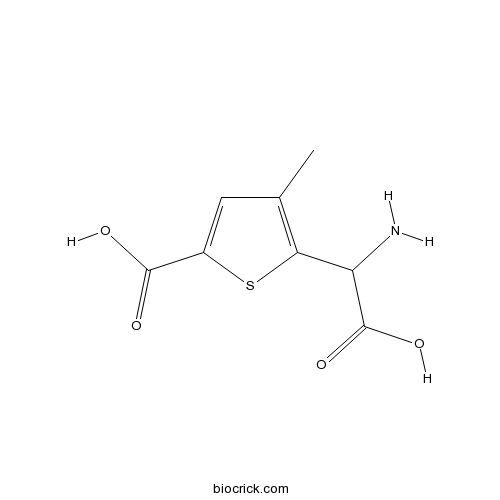
3-MATIDA
518357-51-2
-
BCC7756
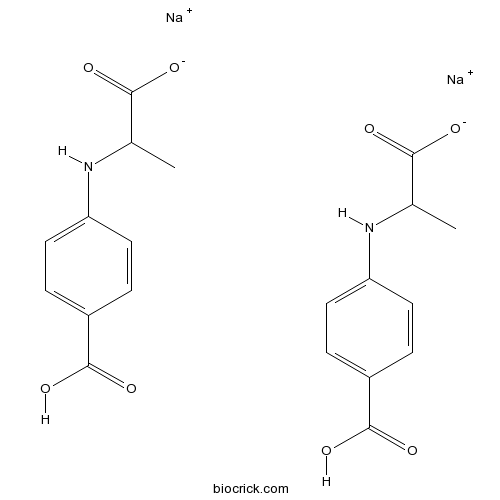
(RS)-MCPG disodium salt
1303994-09-3
-
BCC6610
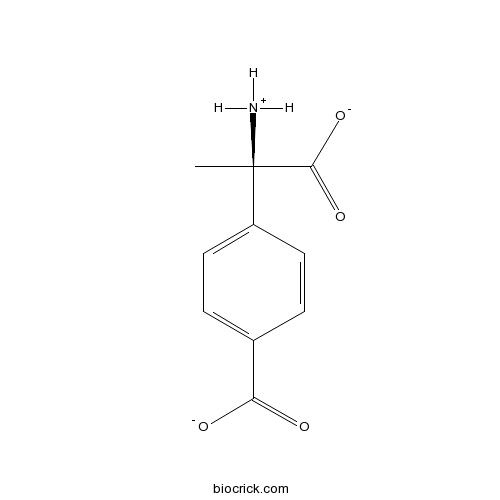
(RS)-MCPG
(RS)-MCPG (alpha-MCPG) is a competitive and selective group I/group II metabotropic glutamate receptor (mGluR) antagonist. (RS)-MCPG blocks theta-burst stimulation (TBS)-induced shifts in both juvenile and neonatal rat hippocampal neurons.
-
BCC6611
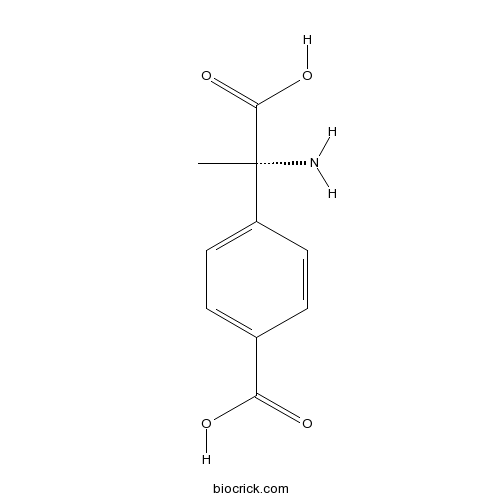
(S)-MCPG
(S)-MCPG is the active isomer of (RS)-MCPG (Cat.
-
BCC1777
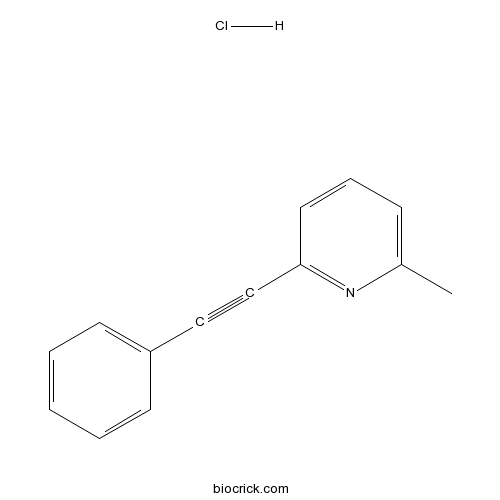
MPEP Hydrochloride
MPEP hydrochloride is a potent and highly selective non-competitive antagonist at the mGlu5 receptor subtype with IC50 of 36 nM.
-
BCC1780
MTEP hydrochloride
MTEP hydrochloride is a potent, selective and non-competitive mGlu5 antagonist with an IC50 of 5 nM and a Ki of 16 nM. MTEP hydrochloride produces antiparkinsonian-like effects.