Nociception
Nociception is the sensory process that provides the signals that lead to pain. This occurs through nociceptors, primary sensory neurons that are activated by stimuli that cause tissue damage. Stimuli can include tissue injury, extremes of heat and noxious chemicals. Unlike other sensory neurons that detect vision or taste, nociceptors are located all around the body, particularly under the skin, however, they are notably absent from the brain.
Nociception Products Targets
- Others (20)
- Nucleoside Transporter (5)
- Glycine Transporter (6)
- GABA (10)
- Cannabinoid Transporter (10)
- Acetylcholine Transporter (1)
- D4 Receptor (12)
- 5-HT7 Receptor (11)
- 5-HT6 Receptor (14)
- 5-ht5 Receptor (2)
- 5-HT4 Receptor (17)
- NK2 Receptor (7)
- NK1 Receptor (15)
- NOP Receptor (21)
- Mu-Opioid Receptors (15)
- Kappa Opioid Receptors (14)
- Glutamate (Metabotropic) Group III Receptor (26)
- Glutamate (Metabotropic) Group II Receptor (33)
- Glutamate (Metabotropic) Group I Receptor (54)
- AMPA Receptor (45)
- GABAA-ρ Receptor (8)
- GABAA Receptor (66)
- GPR55 (8)
- CB2 Receptor (6)
- CB1 Receptor (17)
- Voltage-gated Sodium (NaV) Channels (30)
- Voltage-gated Potassium (KV) Channels (38)
- Voltage-gated Calcium Channels (CaV) (38)
- Neurotensin Receptors (7)
- Glycine Receptors (6)
- Fatty Acid Amide Hydrolase (15)
- Cyclooxygenases (24)
- Bradykinin Receptors (12)
- D3 Receptor (12)
- NK3 Receptor (5)
- Vesicular Monoamine Transporter (4)
- NMDA Receptor (87)
- Kainate Receptor (22)
- D2 Receptor (14)
- D1 and D5 Receptor (16)
- Glutamate Transporter (18)
- Dopamine Transporter (20)
- Histamine H4 Receptor (12)
- Histamine H3 Receptor (22)
- Histamine H2 Receptor (10)
- Histamine H1 Receptor (17)
- Adrenergic Transporter (23)
- 5-HT Transporter (30)
- NO donors and precursors (9)
- nNOS (5)
- iNOS (11)
- eNOS (1)
- M5 Receptor (2)
- M4 Receptor (3)
- M3 Receptor (4)
- M2 Receptor (5)
- M1 Receptor (8)
- Delta opioid receptor (16)
- Adrenergic α2 Receptor (33)
- Adrenergic α1 Receptor (22)
- Adrenergic β3 Receptor (12)
- Adrenergic β2 Receptor (6)
- Adrenergic β1 Receptor (7)
Products for Nociception - Page 63
- Cat.No. Product Name Information/Activity
-
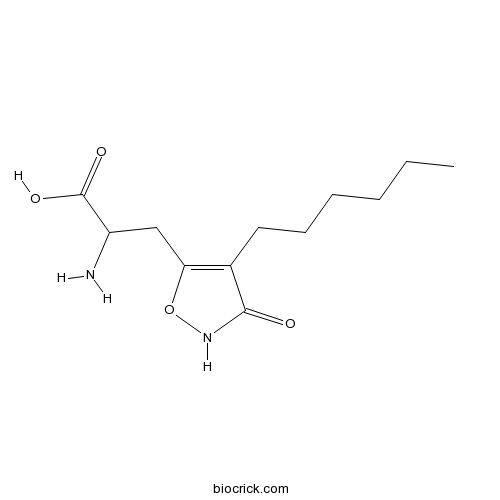
BCC6841
AIDA
168560-79-0
-
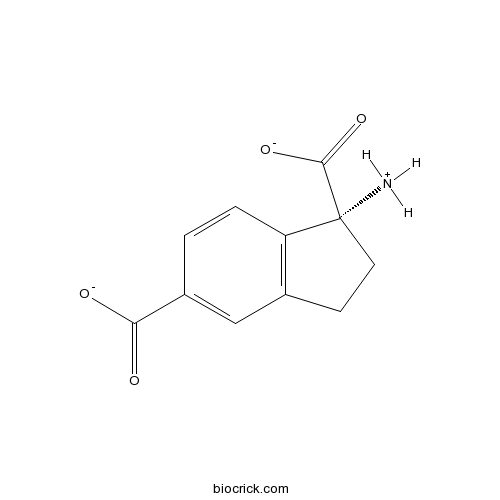
BCC2459
DL-AP3
Phosphoserine phosphatase inhibitor
-
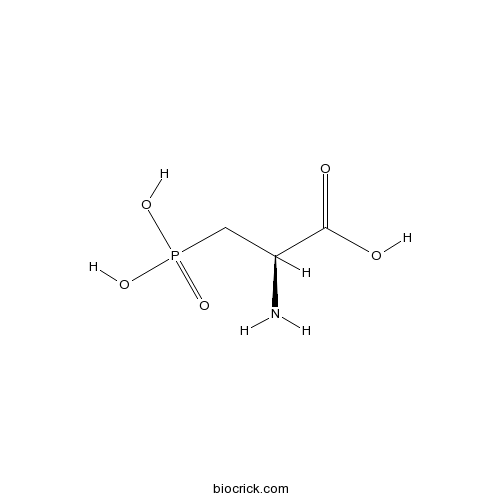
BCC5915
Bay 36-7620
Non-competitive mGlu<sub>1</sub> antagonist with inverse agonist activity
-
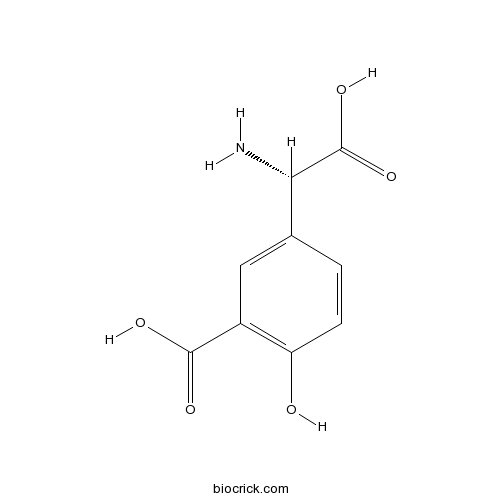
BCC6607
(S)-3-Carboxy-4-hydroxyphenylglycine
55136-48-6
-
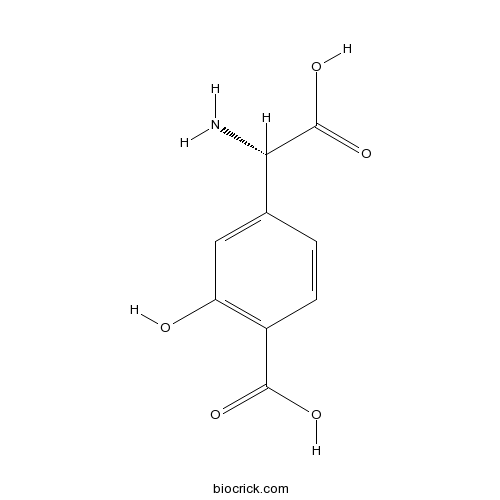
BCC6600
(S)-4-Carboxy-3-hydroxyphenylglycine
85148-82-9
-
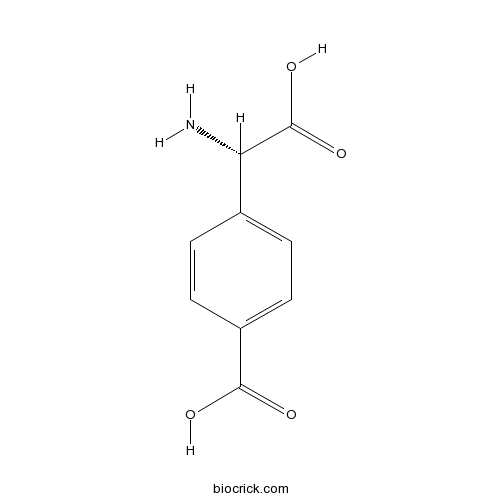
BCC6603
(S)-4-Carboxyphenylglycine
134052-73-6
-
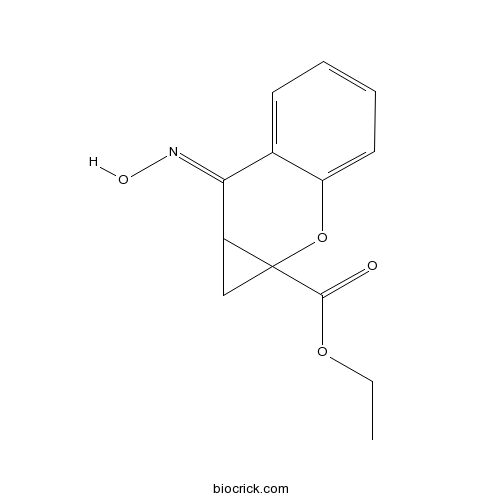
BCC6896
CPCCOEt
179067-99-3
-
BCC6888
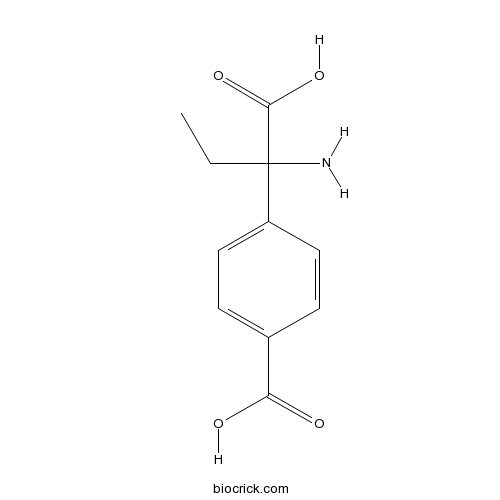
E4CPG
E4CPG is a novel group I/group II metabotropic glutamate receptor antagonist, more potent than (RS)-MCPG .
-
BCC7345
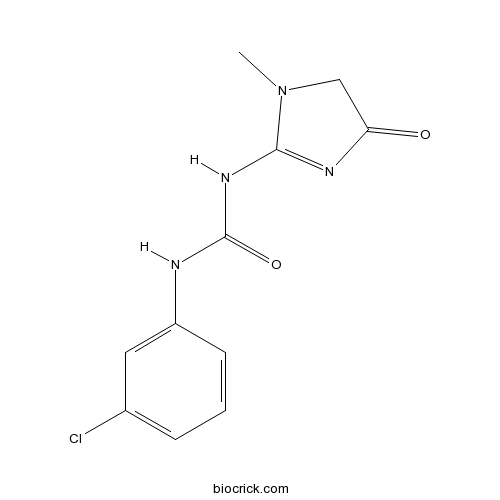
Fenobam
Fenobam is a selective, orally active, and non-competitive mGluR5 antagonist acting at an allosteric modulatory site (Kd values are 54 and 31 nM for rat and human recombinant mGlu5 receptors, respectively). Fenobam displays inverse agonist activity which blocks the mGlu5 receptor basal activity with an IC50 of 84 nM. Fenobam exerts anxiolytic activity.
-
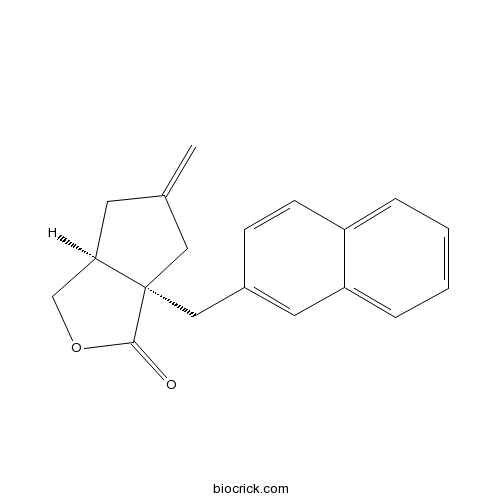
BCC7166
HexylHIBO
334887-43-3