
Nociception
Nociception is the sensory process that provides the signals that lead to pain. This occurs through nociceptors, primary sensory neurons that are activated by stimuli that cause tissue damage. Stimuli can include tissue injury, extremes of heat and noxious chemicals. Unlike other sensory neurons that detect vision or taste, nociceptors are located all around the body, particularly under the skin, however, they are notably absent from the brain.
Nociception Products Targets
- Others (20)
- Nucleoside Transporter (5)
- Glycine Transporter (6)
- GABA (10)
- Cannabinoid Transporter (10)
- Acetylcholine Transporter (1)
- D4 Receptor (12)
- 5-HT7 Receptor (11)
- 5-HT6 Receptor (14)
- 5-ht5 Receptor (2)
- 5-HT4 Receptor (17)
- NK2 Receptor (7)
- NK1 Receptor (15)
- NOP Receptor (21)
- Mu-Opioid Receptors (15)
- Kappa Opioid Receptors (14)
- Glutamate (Metabotropic) Group III Receptor (26)
- Glutamate (Metabotropic) Group II Receptor (33)
- Glutamate (Metabotropic) Group I Receptor (54)
- AMPA Receptor (45)
- GABAA-ρ Receptor (8)
- GABAA Receptor (66)
- GPR55 (8)
- CB2 Receptor (6)
- CB1 Receptor (17)
- Voltage-gated Sodium (NaV) Channels (30)
- Voltage-gated Potassium (KV) Channels (38)
- Voltage-gated Calcium Channels (CaV) (38)
- Neurotensin Receptors (7)
- Glycine Receptors (6)
- Fatty Acid Amide Hydrolase (15)
- Cyclooxygenases (24)
- Bradykinin Receptors (12)
- D3 Receptor (12)
- NK3 Receptor (5)
- Vesicular Monoamine Transporter (4)
- NMDA Receptor (87)
- Kainate Receptor (22)
- D2 Receptor (14)
- D1 and D5 Receptor (16)
- Glutamate Transporter (18)
- Dopamine Transporter (20)
- Histamine H4 Receptor (12)
- Histamine H3 Receptor (22)
- Histamine H2 Receptor (10)
- Histamine H1 Receptor (17)
- Adrenergic Transporter (23)
- 5-HT Transporter (30)
- NO donors and precursors (9)
- nNOS (5)
- iNOS (11)
- eNOS (1)
- M5 Receptor (2)
- M4 Receptor (3)
- M3 Receptor (4)
- M2 Receptor (5)
- M1 Receptor (8)
- Delta opioid receptor (16)
- Adrenergic α2 Receptor (33)
- Adrenergic α1 Receptor (22)
- Adrenergic β3 Receptor (12)
- Adrenergic β2 Receptor (6)
- Adrenergic β1 Receptor (7)
Products for Nociception - Page 51
- Cat.No. Product Name Information/Activity
-
BCC7297
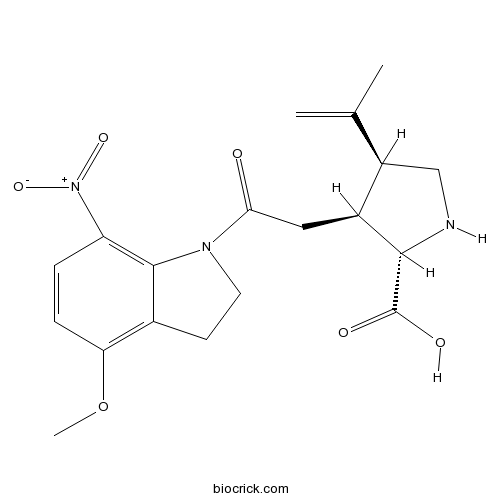
MNI caged kainic acid
1315378-75-6
-
BCC6840
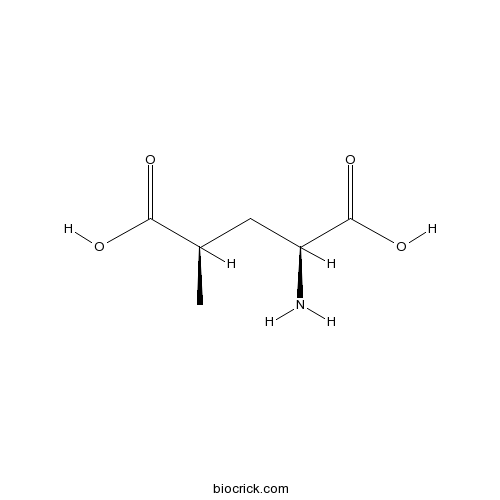
SYM 2081
SYM 2081 is a high-affinity ligand and potent, selective agonist of kainate receptors, inhibits [3H]-kainate binding with an IC50 of 35 nM, almost 3000- and 200-fold selectivity for kainate receptors over AMPA and NMDA receptors respectively.
-
BCC7462
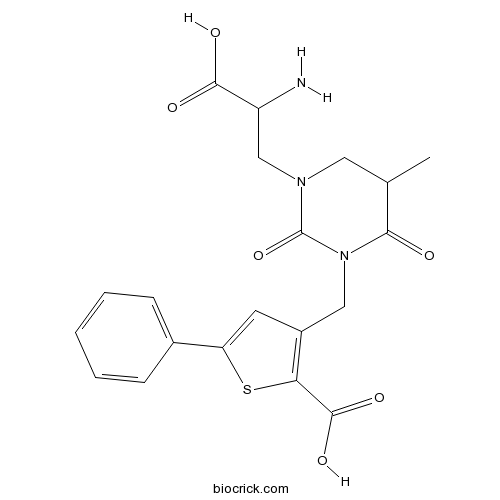
ACET
936095-50-0
-
BCC7275
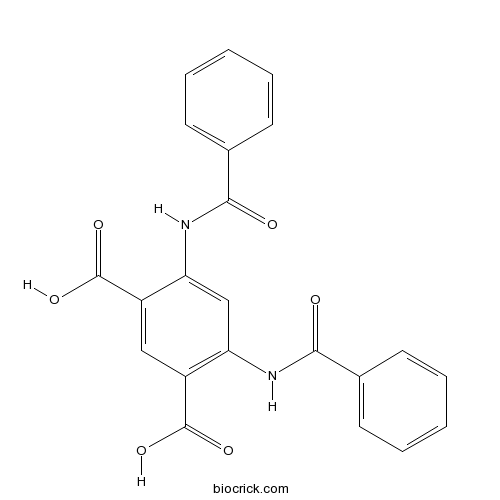
NS 3763
70553-45-6
-
BCC7255
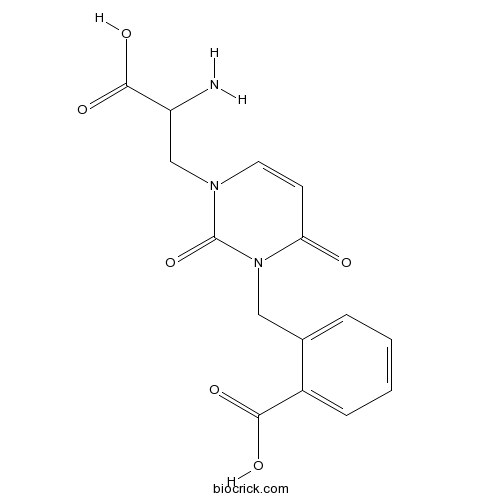
UBP 296
745055-86-1
-
BCC7172
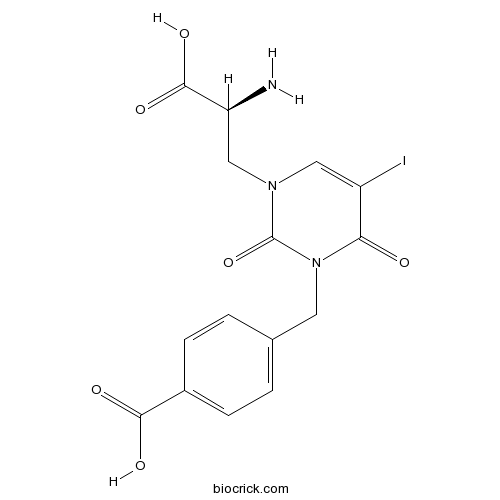
UBP 301
569371-10-4
-
BCC7256
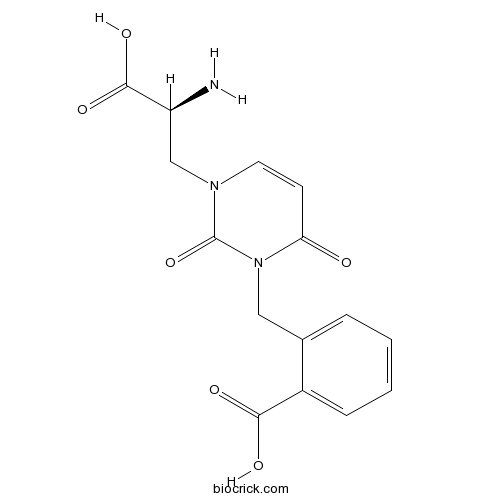
UBP 302
UBP 302 is a potent and selective GLUK5-subunit containing kainate receptor antagonist (apparent Kd=402 nM), and displays very little affinity on GluK2 (GluR6) kainate receptors. Anxiolytic effects.
-
BCC6052
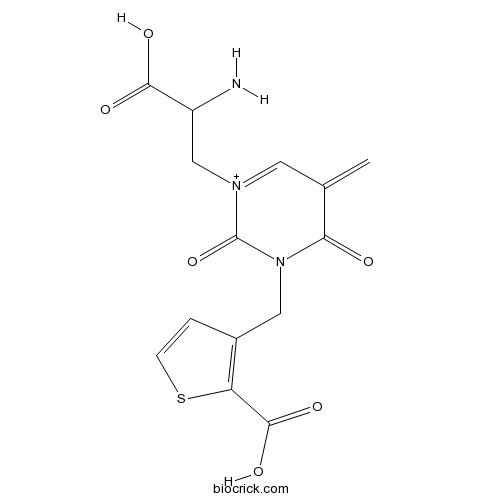
UBP 310
902464-46-4
-
BCN6291
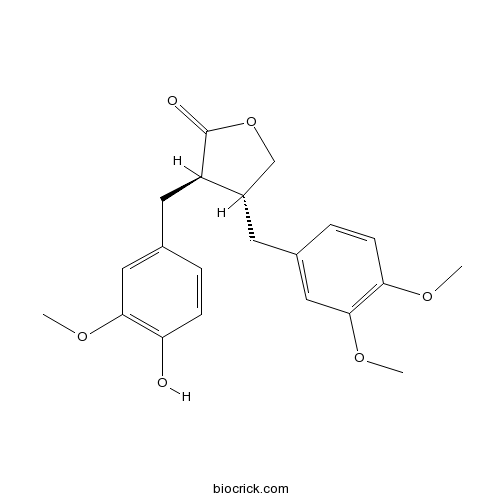
Arctigenin
Arctigenin is a lignan found in certain plants of the Asteraceae; it has shown antiviral and anticancer effects in glass; it is the aglycone of arctiin.
-
BCC5883
PDZ1 Domain inhibitor peptide
1315378-73-4