Neuroscience Research
Neuroscience is the study of the nervous system - one of the major mammalian systems responsible for sustaining life. The central nervous system (CNS) and peripheral nervous system (PNS) work in concert to coordinate basic functions such as moving and breathing, as well as 'higher order' functions including thought, speech and emotion.
Neuroscience Research Products Areas
- Stress and Anxiety Research (392)
- Nociception (957)
- Neurotransmission (892)
- Neuropeptides (43)
- Neural Development (795)
- Memory, Learning and Cognition (746)
- Blood-Brain Barrier (119)
- Stroke Research (665)
- Sleep Research (267)
- Schizophrenia Research (709)
- Parkinson's Disease Research (752)
- Huntington's Disease Research (465)
- Epilepsy Research (560)
- Depression Research (631)
- Alzheimer's Disease Research (399)
- Addiction Research (509)
- Multiple Sclerosis (419)
Products for Neuroscience Research - Page 200
- Cat.No. Product Name Information/Activity
-
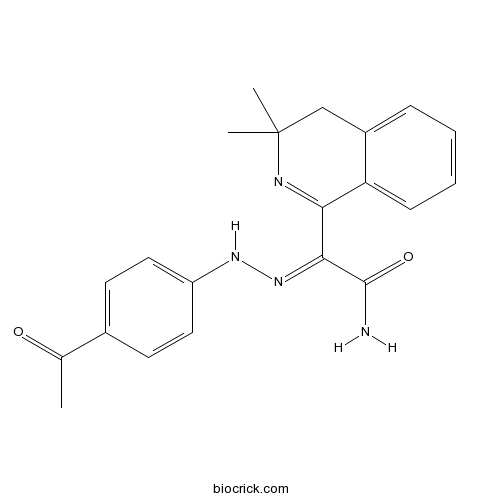
BCC7973
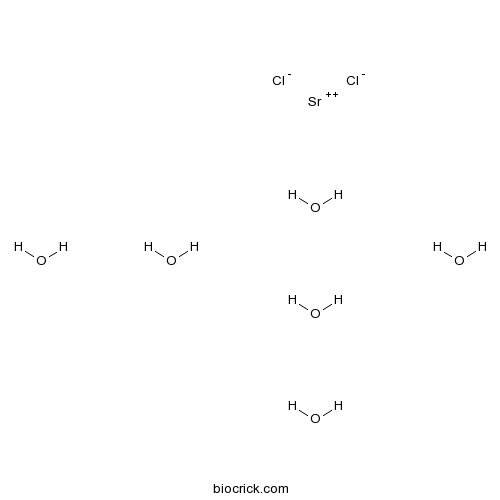
Strontium chloride
10476-85-4
-
BCC7798
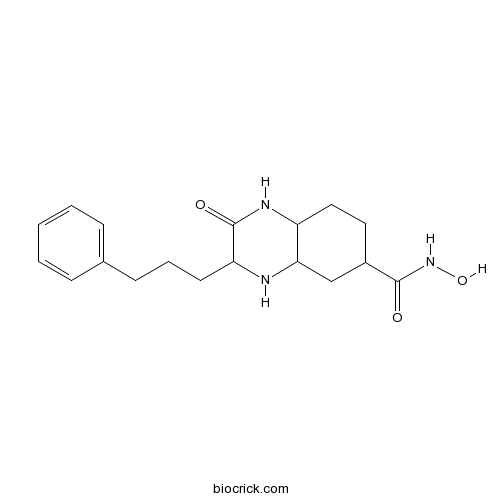
TCS 2210
1201916-31-5
-
BCC2202
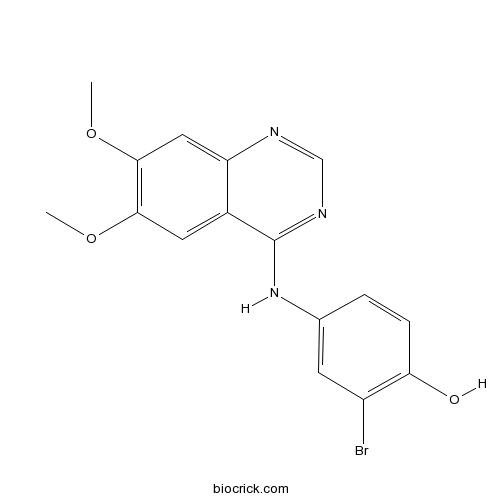
WHI-P154
WHI-P154 is a potent EGFR inhibitor, and also modestly blocks JAK3, with IC50s of 4 nM and 1.8 μM, respectively.
-
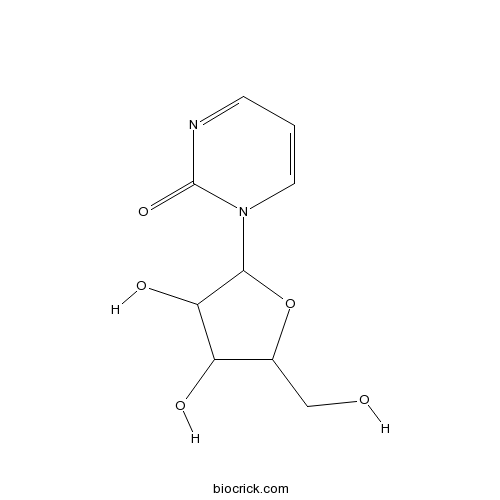
BCC1136
Zebularine
Zebularine (NSC309132; 4-Deoxyuridine) is a DNA methyltransferase inhibitor. Zebularine also inhibits cytidine deaminase with a Ki of 0.95 μM.
-
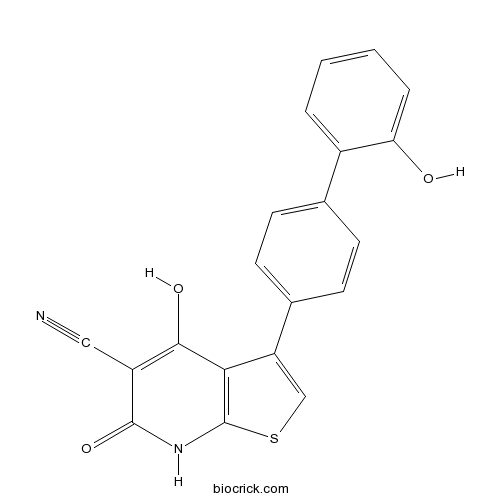
BCC2080
A-769662
A-769662 is a potent, reversible AMPK activator with EC50 of 0.8 μM.
-
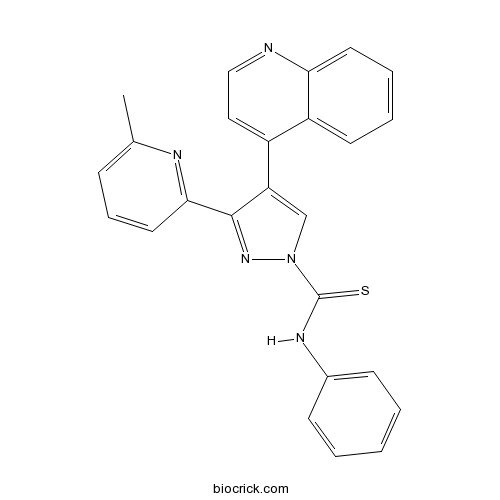
BCC1319
A 83-01
A 83-01 is a potent inhibitor of TGF-β type I receptor ALK5 kinase, type I nodal receptor ALK4 and type I nodal receptor ALK7, with IC50s of 12, 45 and 7.5 nM against the transcription induced by ALK5, ALK4 and ALK7, respectively.
-
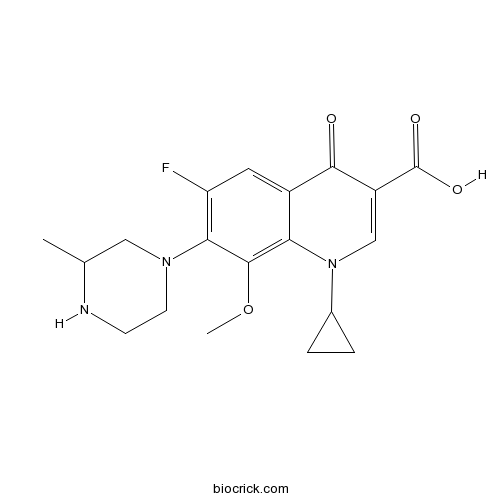
BCC1064
Gatifloxacin
Gatifloxacin (AM-1155; BMS-206584; PD135432) is a potent fluoroquinolone antibiotic with broad-spectrum antibacterial activity. Gatifloxacin inhibits bacterial type II topoisomerases (IC50=13.8 μg/ml for S. aureus topoisomerase IV) and E. coli DNA gyrase (IC50=0.109 μg/ml). Gatifloxacin can be used to treat bacterial conjunctivitis in vivo.
-
BCC5403
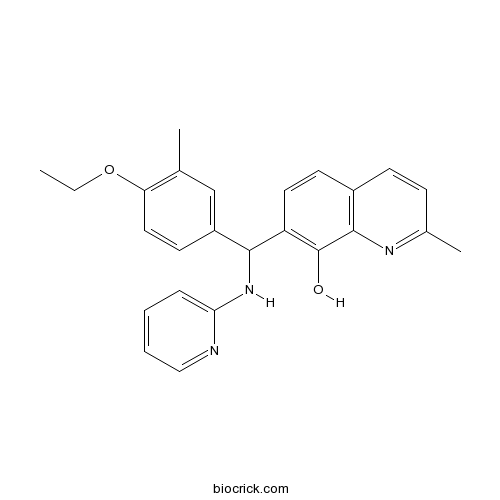
HLM006474
HLM006474 is a pan E2F inhibitor, which inhibits E2F4 DNA-binding with an IC50 of 29.8 µM in A375 cells.
-
BCC4787
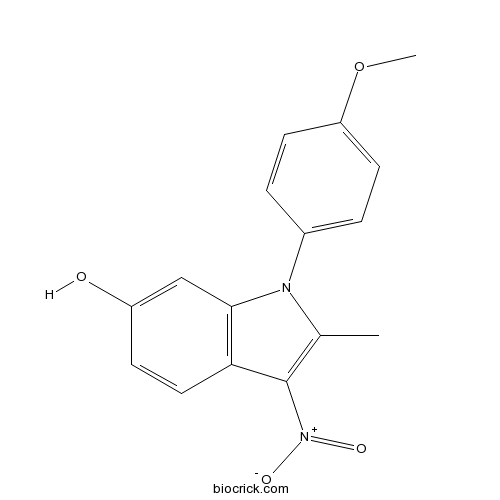
ID-8
ID-8 is a DYRK inhibitor, and sustains embryonic stem cell self-renewal in long-term culture.
-
BCC7965
IQ 1
IQ 1 has many functions such as decreasing Wnt-stimulated phosphorylation, maintaining the pluripotency of murine ESCs, preventing PP2A/Nkd interaction and so on.