Neuroscience Research
Neuroscience is the study of the nervous system - one of the major mammalian systems responsible for sustaining life. The central nervous system (CNS) and peripheral nervous system (PNS) work in concert to coordinate basic functions such as moving and breathing, as well as 'higher order' functions including thought, speech and emotion.
Neuroscience Research Products Areas
- Stress and Anxiety Research (392)
- Nociception (957)
- Neurotransmission (892)
- Neuropeptides (43)
- Neural Development (795)
- Memory, Learning and Cognition (746)
- Blood-Brain Barrier (119)
- Stroke Research (665)
- Sleep Research (267)
- Schizophrenia Research (709)
- Parkinson's Disease Research (752)
- Huntington's Disease Research (465)
- Epilepsy Research (560)
- Depression Research (631)
- Alzheimer's Disease Research (399)
- Addiction Research (509)
- Multiple Sclerosis (419)
Products for Neuroscience Research - Page 197
- Cat.No. Product Name Information/Activity
-
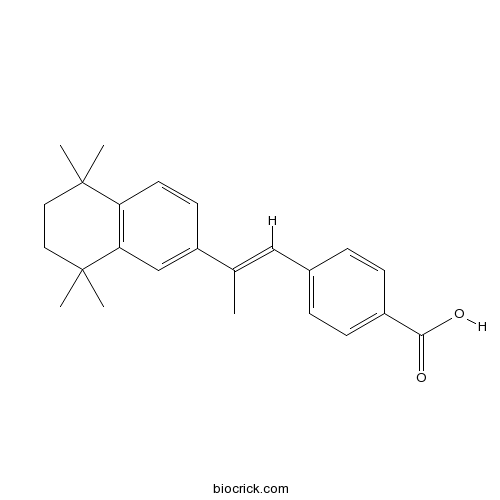
BCC4874
TTNPB (Arotinoid Acid)
TTNPB is a highly potent RAR agonist. Competitive binding assays using human RARs yield IC50s of α=5.1 nM, β= 4.5 nM, and γ=9.3 nM, respectively.
-
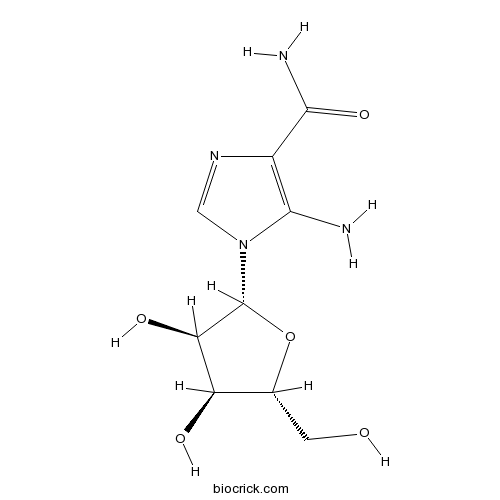
BCC3606
AICAR
AICAR (Acadesine) is an adenosine analog and a AMPK activator. AICAR regulates the glucose and lipid metabolism, and inhibits proinflammatory cytokines and iNOS production. AICAR is also an autophagy and mitophagy inhibitor.
-
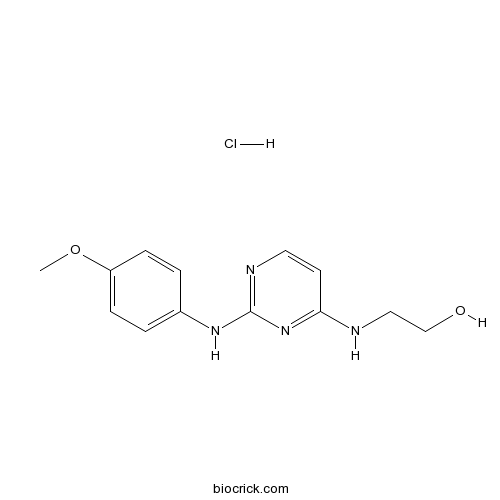
BCC7790
Cardiogenol C hydrochloride
Cardiogenol C hydrochloride is a potent cell-permeable pyrimidine inducer which prompts the differentiation of ESCs into cardiomyocytes (EC50=100 nM). Cardiogenol C hydrochloride also acts cardiomyogenic on already lineage-committed progenitor cell types with a limited degree of plasticity. Cardiogenol C hydrochloride is a useful cardiomyogenic agent and can be used as a tool to improve cardiac repair by cell transplantation therapy in animal models.
-
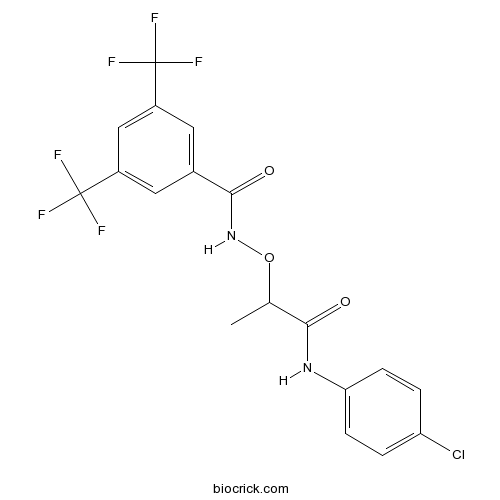
BCC5581
CCG-1423
CCG-1423 is a novel inhibitor of RhoA/C-mediated gene transcription that is capable of inhibiting invasion of PC-3 prostate cancer cells in a Matrigel model of metastasis.
-
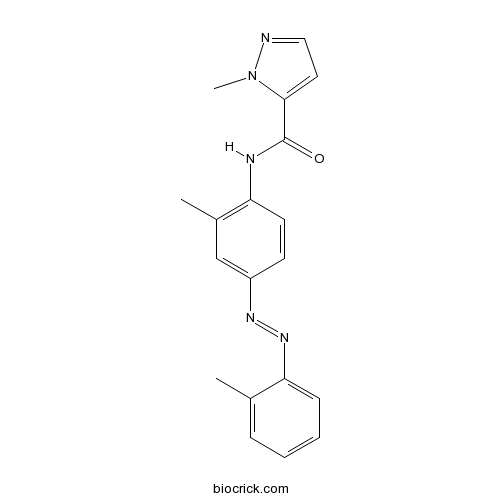
BCC3896
CH 223191
CH-223191 is a potent and specific antagonist of aryl hydrocarbon receptor (AhR). CH-223191 inhibits TCDD-mediated nuclear translocation and DNA binding of AhR, and inhibits TCDD-induced luciferase activity with an IC50 of 0.03 μM.
-
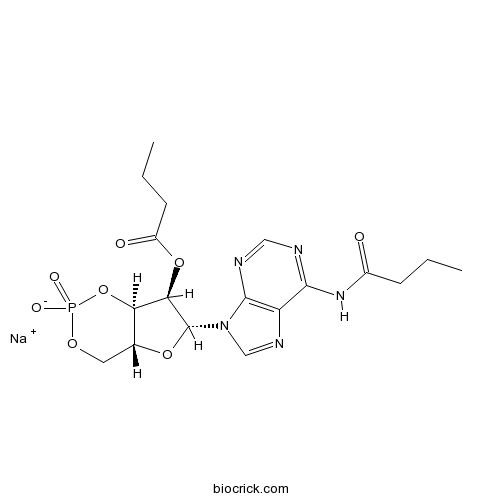
BCC8079
Dibutyryl-cAMP, sodium salt
Bucladesine sodium salt (Dibutyryl-cAMP sodium salt) is a stabilized cyclic AMP (cAMP) analog and a selective PKA activator. Bucladesine sodium salt raises the intracellular levels of cAMP. Bucladesine sodium salt is also a phosphodiesterase (PDE) inhibitor. Bucladesine sodium salt has anti-inflammatory activity and can be used for impaired wound healing.
-
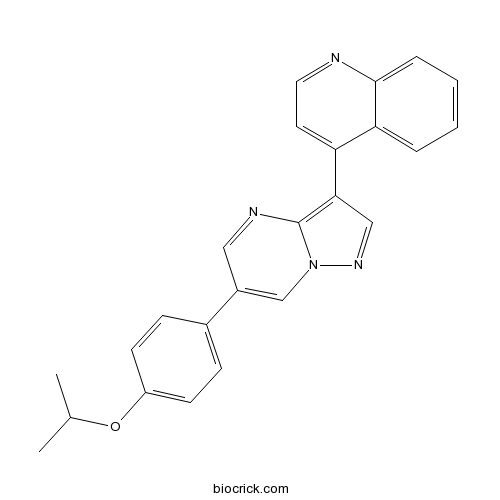
BCC5329
DMH-1
DMH-1 is a potent and selective BMP inhibitor with IC50s of 27/107.9/<5/47.6 nM for ALK1/ALK2/ALK3/ALK6, respectively.
-
BCC6097
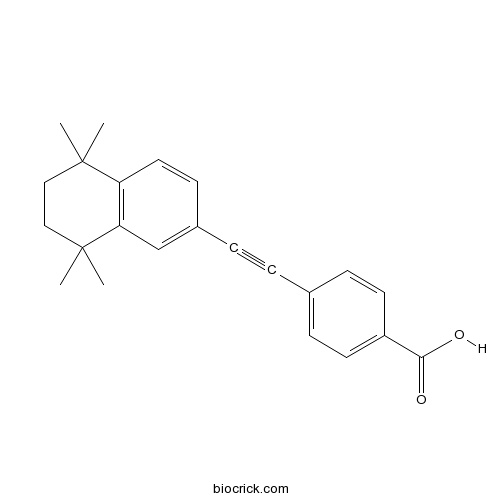
EC 23
EC23 (AGN 190205) is a stable synthetic retinoid analogue and induces neuronal differentiation.
-
BCC5341
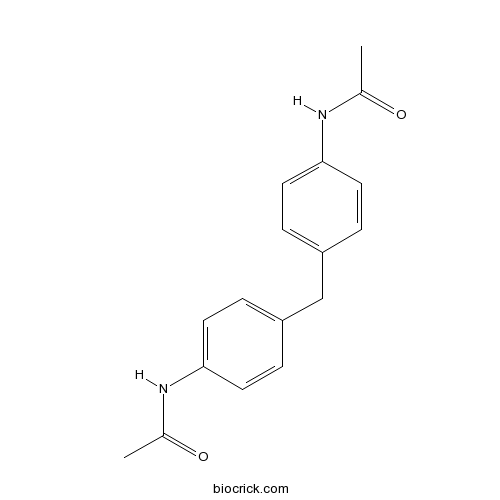
FH1(BRD-K4477)
FH1(BRDK4477) is a small molecule that can enhance the functions of cultured hepatocytes.
-
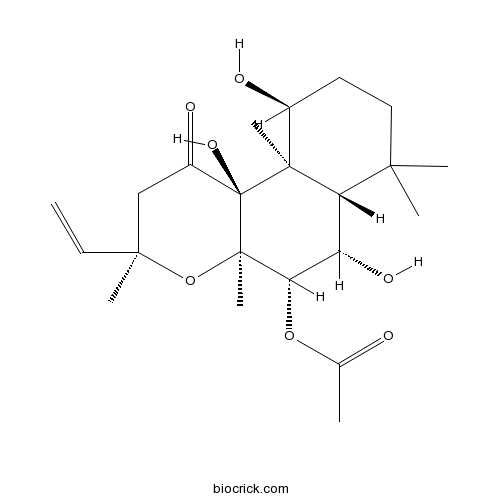
BCN2332
Forskolin
Forskolin (Coleonol) is a potent adenylate cyclase activator with an IC50 of 41 nM and an EC50 of 0.5 μM for type I adenylyl cyclase. Forskolin is also an inducer of intracellular cAMP formation. Forskolin induces differentiation of various cell types and activates pregnane X receptor (PXR) and FXR. Forskolin exerts a inotropic effect on the heart, and has platelet antiaggregatory and antihypertensive actions. Forskolin also induces autophagy.