Immunology Research
Immunology is a branch of science that studies all aspects of the immune system, ranging from normal physiological functioning through to malfunctions which can lead to immunological diseases. Disorders that result from aberrant activation of the immune system are termed autoimmune diseases.
Immunology Research Products Areas
Products for Immunology Research - Page 2
- Cat.No. Product Name Information/Activity
-
BCC1509
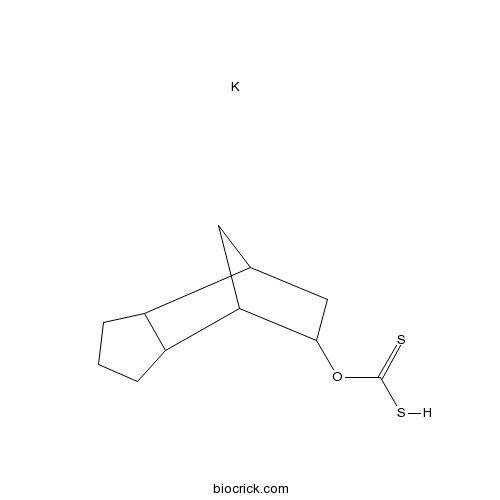
D609
D609 is a selective competitive inhibitor of phosphatidyl choline-specific phospholipase C (PC-PLC), with Ki of 6.4 μM.
-
BCC5909
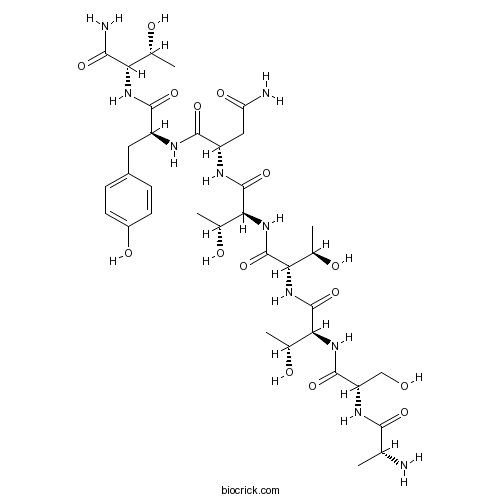
DAPTA
DAPTA is a synthetic peptide, functions as a viral entry inhibitor by targeting selectively CCR5, and shows potent anti-HIV activities.
-
BCN4804
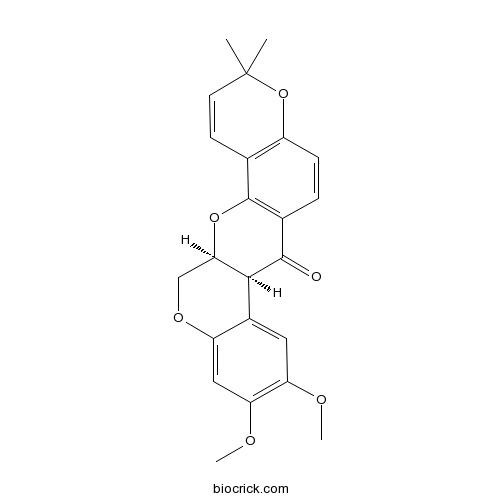
Deguelin
Deguelin, a naturally occurring rotenoid, is a potent PI3K/AKT inhibitor.
-
BCC4069
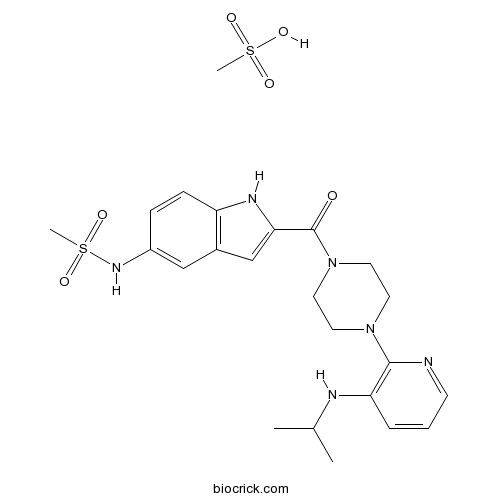
Delavirdine mesylate
Delavirdine mesylate (U 90152 mesylate) is a potent non-nucleoside HIV-1 reverse transcriptase inhibitor (NNRTI) of HIV-1.
-
BCC3644
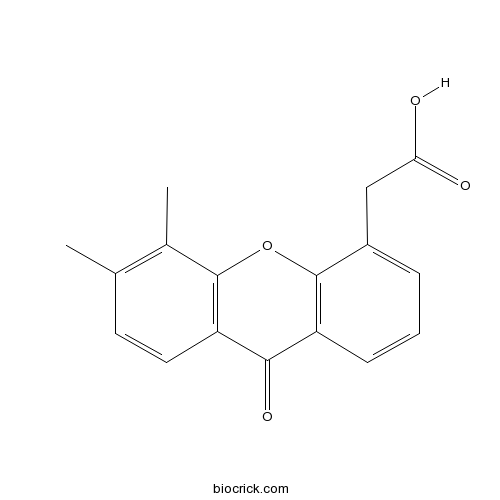
DMXAA (Vadimezan)
Vadimezan (DMXAA; ASA-404), the tumor vascular disrupting agent (tumor-VDA), is a murine agonist of the stimulator of interferon genes (STING) and also a potent inducer of type I IFNs and other cytokines. Vadimezan has anti-influenza virus H1N1-PR8 activities.
-
BCC7917
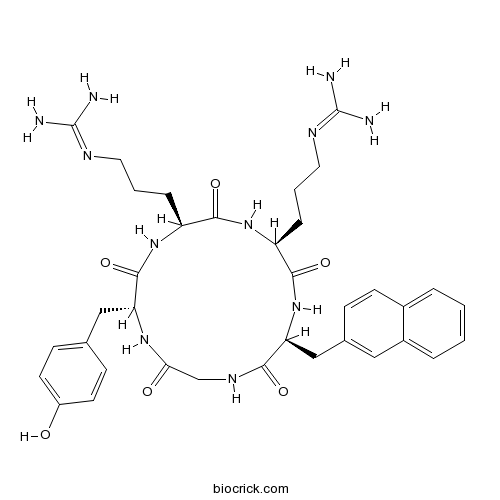
FC 131
606968-52-9
-
BCN5977
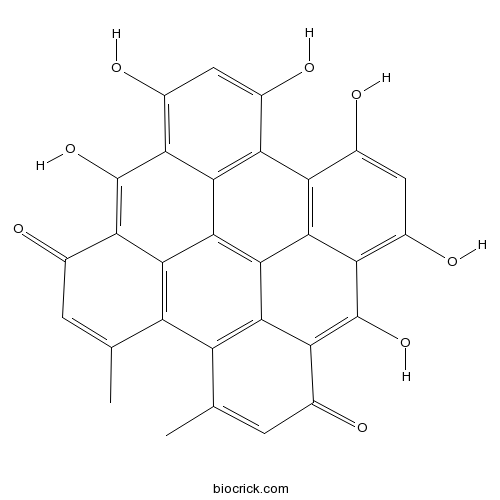
Hypericin
Hypericin is a photosensitive antiviral with anticancer and antidepressant agent derived from Hypericum perforatum.
-
BCC2492
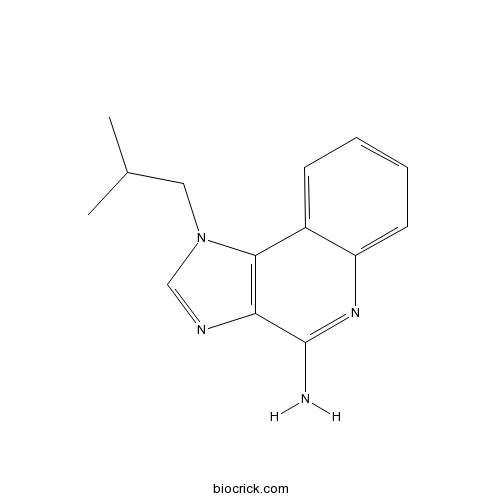
Imiquimod
Imiquimod (R 837) is an immune response modifier that acts as a toll-like receptor 7 agonist.
-
BCC6234
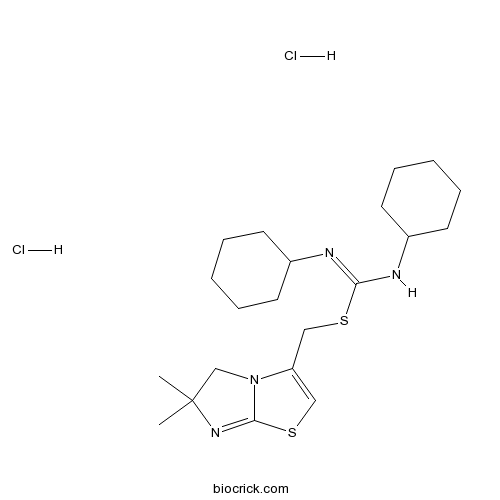
IT1t dihydrochloride
IT1t dihydrochloride is a potent CXCR4 antagonist; inhibits CXCL12/CXCR4 interaction with an IC50 of 2.1 nM.
-
BCC3706
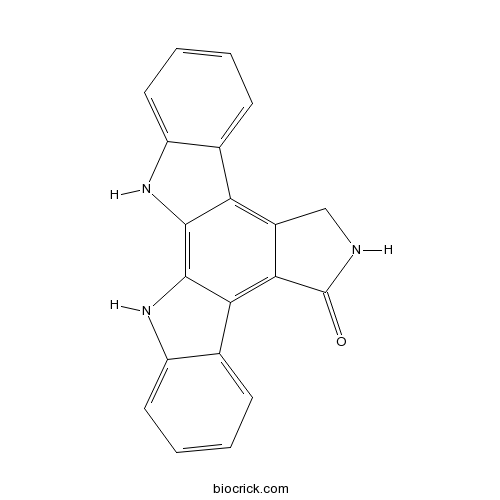
K-252c
K-252c, a staurosporine analog isolated from Nocardiopsis sp., is a cell-permeable PKC inhibitor, with an IC50 of 2.45 µM. K-252c induces apoptosis in human chronic myelogenous leukemia cancer cells. K-252c also inhibits β-lactamase, chymotrypsin, and malate dehydrogenase.