Immunology Research
Immunology is a branch of science that studies all aspects of the immune system, ranging from normal physiological functioning through to malfunctions which can lead to immunological diseases. Disorders that result from aberrant activation of the immune system are termed autoimmune diseases.
Immunology Research Products Areas
Products for Immunology Research - Page 14
- Cat.No. Product Name Information/Activity
-
BCN1682
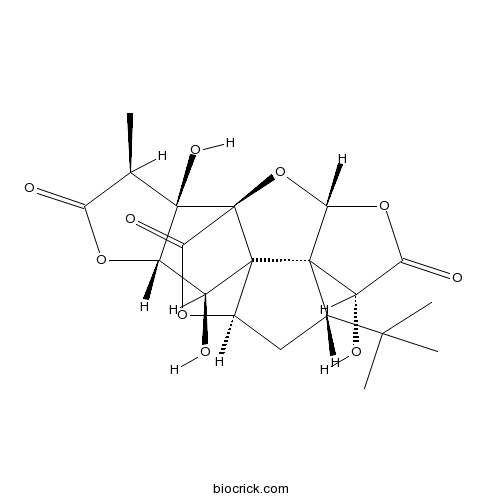
Ginkgolide B
Ginkgolide B (BN-52021), an important active terpenoid from Ginkgo biloba leaves, is reported to increase cell viability and decrease cell apoptosis.
-
BCC6699
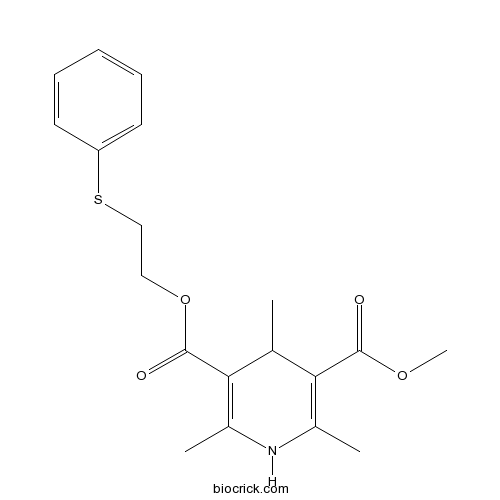
PCA 4248
123875-01-4
-
BCC7335
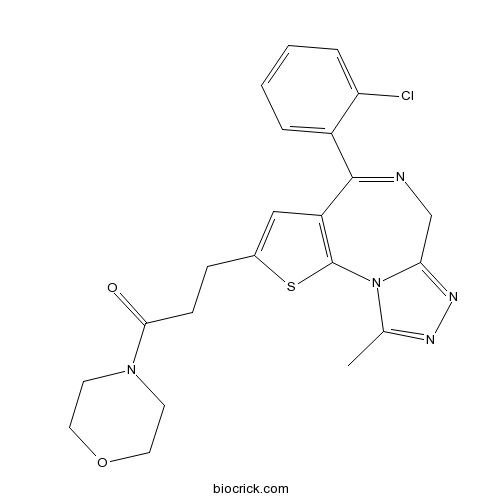
WEB 2086
Apafant (WEB 2086), a potent platelet-activating factor (PAF) antagonist, inhibits PAF binding to human PAF receptors with a Ki of 9.9 nM.
-
BCC7068
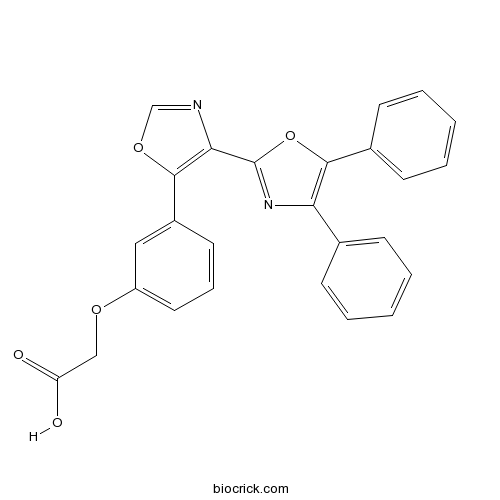
BMY 45778
Non-prostanoid prostacyclin IP receptor partial agonist
-
BCC7315
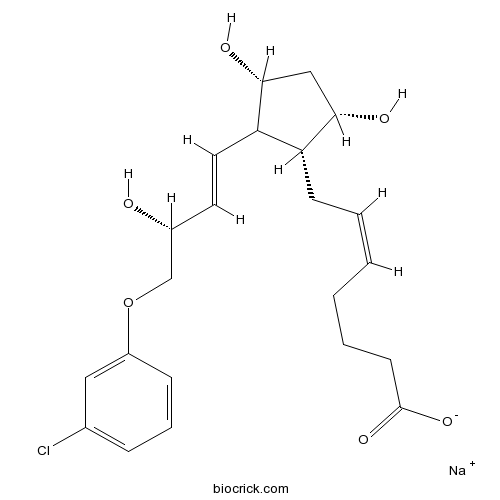
(±)-Cloprostenol sodium salt
Cloprostenol sodium salt (ICI 80996 sodium salt) is a potent synthetic prostaglandin analogue, acts as a luteolytic agent, and is a PGF2α receptor agonist.
-
BCC7843
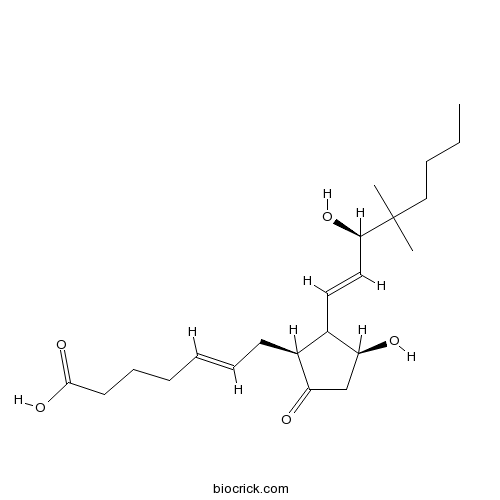
16,16-Dimethyl Prostaglandin E2
16,16-Dimethyl prostaglandin E2 (16,16-dimethyl PGE2) is an orally active vertebrate Hematopoietic stem cells (HSCs) homeostasis critical regulator. 16,16-Dimethyl prostaglandin E2 can act through EP2/EP4 and has an interaction with the Wnt pathway.
-
BCC7534
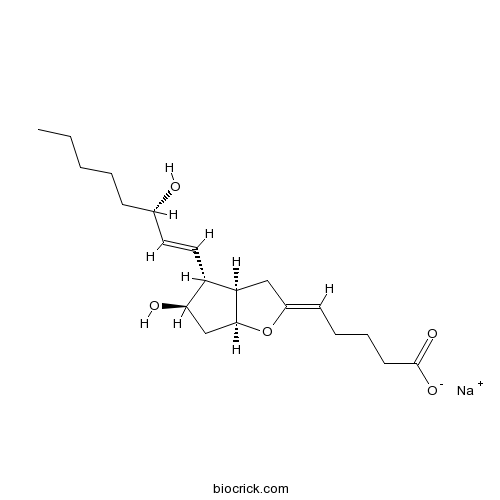
Epoprostenol
Epoprostenol sodium (Prostaglandin I2 (sodium salt)), the synthetic form of the natural prostaglandin derivative prostacyclin (prostaglandin I2), is registered worldwide for the treatment of Pulmonary arterial hypertension (PAH). Epoprostenol sodium is used in pulmonary hypertension and transplantation as a potent inhibitor of platelet aggregation.
-
BCC7247
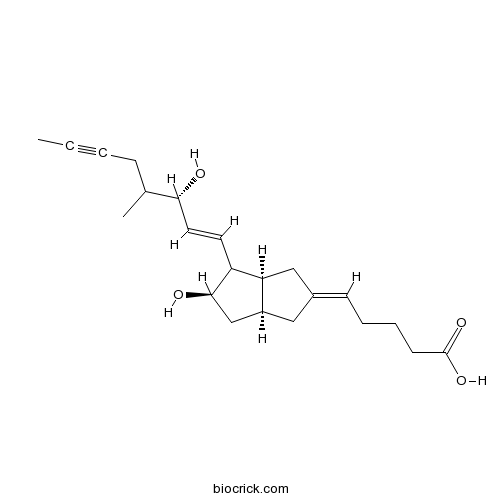
Iloprost
Iloprost (ZK 36374) is a synthetic analogue of prostacyclin PGI2.
-
BCC5240
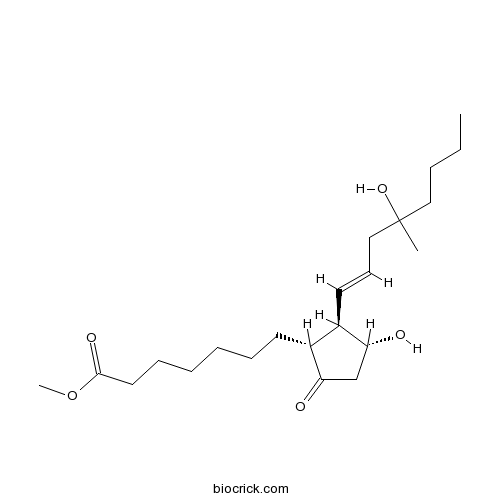
Misoprostol
59122-46-2
-
BCC7316
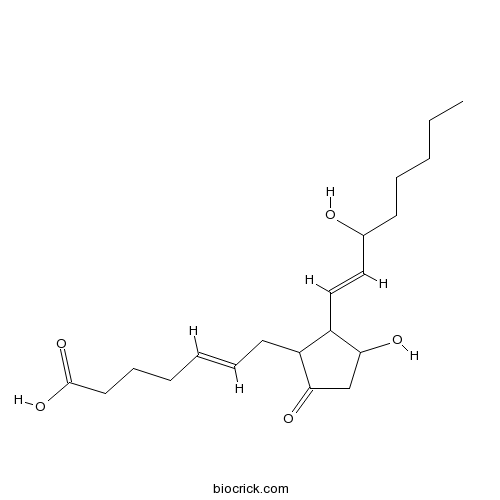
Prostaglandin E2
Prostaglandin E2 is a hormone-like substance that participate in a wide range of body functions such as the contraction and relaxation of smooth muscle, the dilation and constriction of blood vessels, control of blood pressure, and modulation of inflammation.