Myocardial Infarction Research
Myocardial infarction (MI) - more commonly referred to as a heart attack - is an acute event caused by the interruption of blood supply to regions of the heart, leading to myocardial necrosis. Infarction of a substantial area of the myocardium can disrupt normal conductance of the heart, leading to cardiac arrest.In the majority of cases, an MI is immediately preceded by the presence of an occlusive thrombus within a coronary artery, blocking blood flow to the downstream tissue. The most common cause of an occlusive thrombus within a coronary artery is the rupture of an atherosclerotic plaque. However, the occlusion of a coronary artery may also result from coronary embolism. This can occur in patients following stent placement, angioplasty, and coronary artery bypass grafting.
Myocardial Infarction Research Products Targets
- Adenosine A2B Receptor (7)
- Adenosine A2A Receptor (11)
- Voltage-gated Sodium (NaV) Channel (30)
- Voltage-gated Potassium (KV) Channel (38)
- Voltage-gated Calcium Channel (CaV) (38)
- Cell Adhesion Molecule (21)
- Others (10)
- Cyclooxygenase (24)
- Epithelial Sodium Channel (3)
- STIM-Orai Channel (4)
- Ryanodine Receptor (6)
- Angiotensin-Converting Enzyme (8)
- IP3 Receptor (2)
- Adenosine A3 Receptor (8)
- Adenosine A1 Receptor (12)
- Acid-Sensing Ion Channel (3)
- Calcium-Activated Potassium (KCa) Channel (19)
- Inward Rectifier Potassium (Kir) Channel (21)
- NO donors and precursors (9)
- nNOS (5)
- iNOS (11)
- eNOS (1)
- Stem Cell Differentiation (54)
- Delta opioid receptor (16)
- Cathepsin (9)
- Adrenergic β3 Receptor (12)
- Adrenergic β2 Receptor (6)
- Adrenergic β1 Receptor (7)
- Prostanoid Receptor (24)
Products for Myocardial Infarction Research - Page 18
- Cat.No. Product Name Information/Activity
-
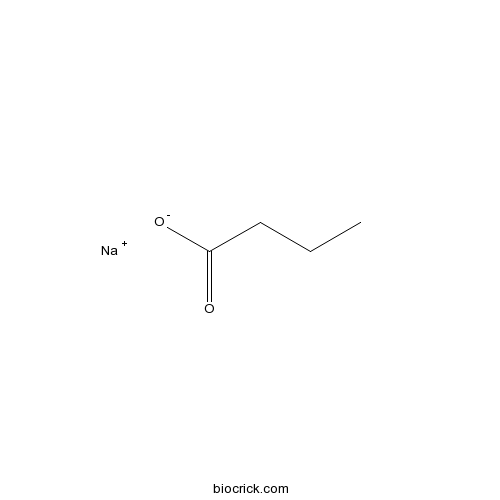
BCC4720
Sodium butyrate
Sodium Butyrate (Butanoic acid sodium salt) is a histone deacetylase (HDAC) inhibitor, with anti-tumor effects in several cancers.
-
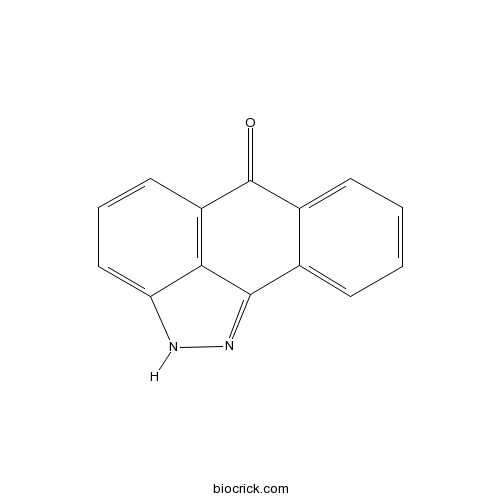
BCC2474
SP 600125
JNK inhibitor; prevents BMP9-induced osteogenic differentiation of MSCs,SP600125 is a broad-spectrum JNK inhibitor for JNK1, JNK2 and JNK3 with IC50 of 40 nM, 40 nM and 90 nM in cell-free assays, respectively; 10-fold greater selectivity against MKK4, 25-fold greater selectivity against MKK3, MKK6, PKB, and PKCα, and 100-fold selectivity against ERK2, p38, Chk1, EGFR etc.
-
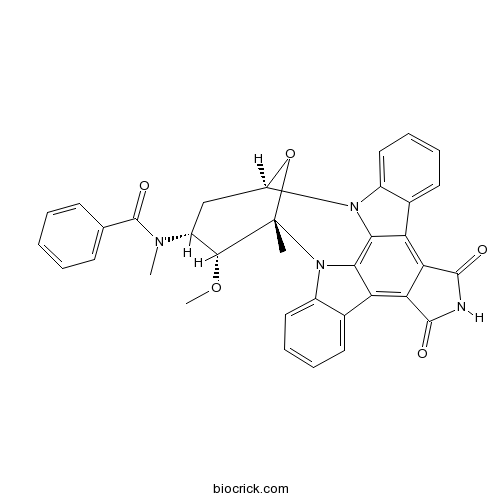
BCC7768
Stauprimide
Stauprimide is a staurosporine analog that promotes embryonic stem cell (ESC) differentiation. Stauprimide is a non-broad spectrum inhibitor that binds to the MYC transcription factor NME2 and blocks its nuclear localization in ESCs, which results in down-regulation of MYC transcription.
-
BCC7938
STF 31
STF-31 is an inhibitor of glucose transporter 1 (GLUT1, IC50 = 1 μM).
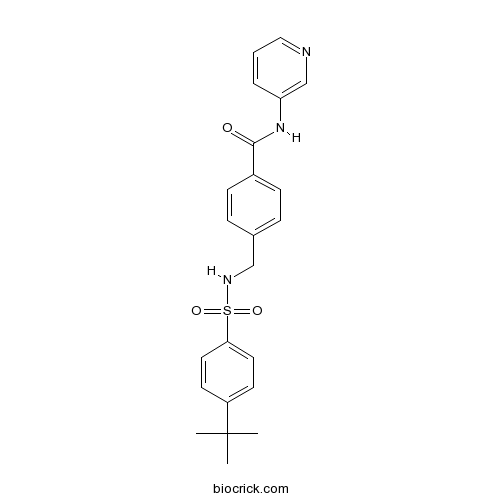
-
BCC7973
Strontium chloride
10476-85-4
-
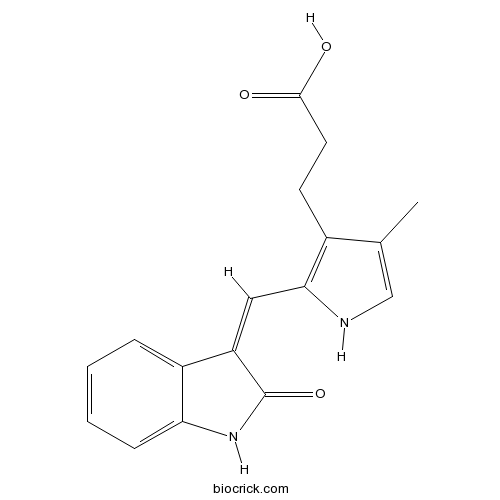
BCC1970
SU 5402
SU 5402 is a potent multi-targeted receptor tyrosine kinase inhibitor with IC50 of 20 nM, 30 nM, and 510 nM for VEGFR2, FGFR1, and PDGFRβ, respectively.
-
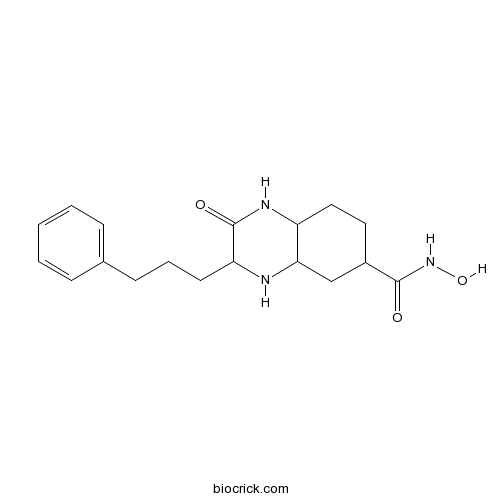
BCC7798
TCS 2210
1201916-31-5
-
BCC3869
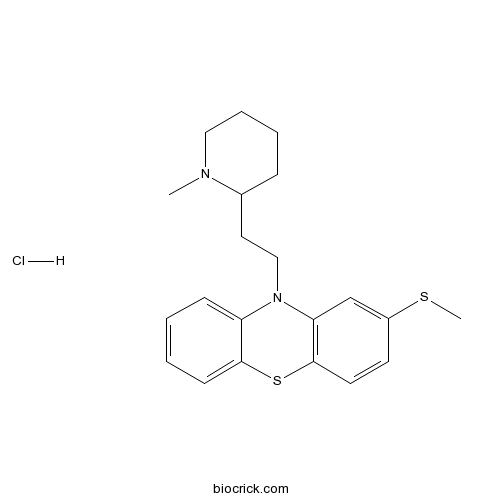
Thioridazine HCl
Selective inducer of CSC differentiation; anticancer agent,Thioridazine is an antipsychotic drug, used in the treatment of schizophrenia and psychosis, shows D4 selectivity or serotonin antagonism.
-
BCC2202
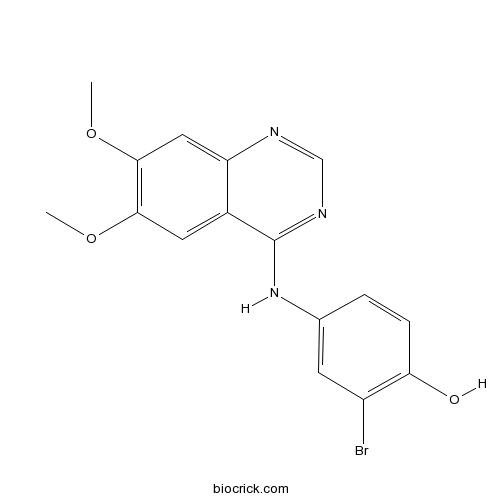
WHI-P154
WHI-P154 is a potent EGFR inhibitor, and also modestly blocks JAK3, with IC50s of 4 nM and 1.8 μM, respectively.
-
BCC3965
Wnt-C59
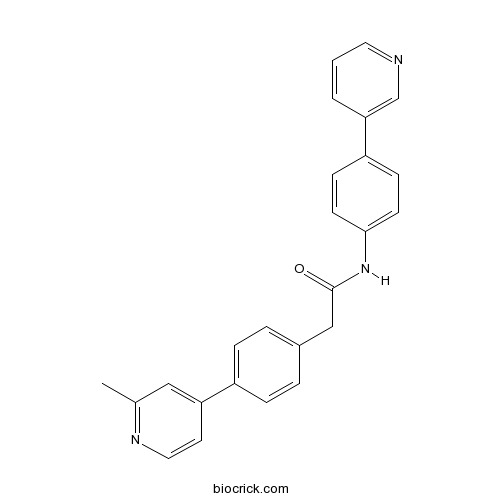
Wnt-C59 (C59) is a highly potent and oral porcupine (PORCN) inhibitor with an IC50 of 74 pM.