Myocardial Infarction Research
Myocardial infarction (MI) - more commonly referred to as a heart attack - is an acute event caused by the interruption of blood supply to regions of the heart, leading to myocardial necrosis. Infarction of a substantial area of the myocardium can disrupt normal conductance of the heart, leading to cardiac arrest.In the majority of cases, an MI is immediately preceded by the presence of an occlusive thrombus within a coronary artery, blocking blood flow to the downstream tissue. The most common cause of an occlusive thrombus within a coronary artery is the rupture of an atherosclerotic plaque. However, the occlusion of a coronary artery may also result from coronary embolism. This can occur in patients following stent placement, angioplasty, and coronary artery bypass grafting.
Myocardial Infarction Research Products Targets
- Adenosine A2B Receptor (7)
- Adenosine A2A Receptor (11)
- Voltage-gated Sodium (NaV) Channel (30)
- Voltage-gated Potassium (KV) Channel (38)
- Voltage-gated Calcium Channel (CaV) (38)
- Cell Adhesion Molecule (21)
- Others (10)
- Cyclooxygenase (24)
- Epithelial Sodium Channel (3)
- STIM-Orai Channel (4)
- Ryanodine Receptor (6)
- Angiotensin-Converting Enzyme (8)
- IP3 Receptor (2)
- Adenosine A3 Receptor (8)
- Adenosine A1 Receptor (12)
- Acid-Sensing Ion Channel (3)
- Calcium-Activated Potassium (KCa) Channel (19)
- Inward Rectifier Potassium (Kir) Channel (21)
- NO donors and precursors (9)
- nNOS (5)
- iNOS (11)
- eNOS (1)
- Stem Cell Differentiation (54)
- Delta opioid receptor (16)
- Cathepsin (9)
- Adrenergic β3 Receptor (12)
- Adrenergic β2 Receptor (6)
- Adrenergic β1 Receptor (7)
- Prostanoid Receptor (24)
Products for Myocardial Infarction Research - Page 17
- Cat.No. Product Name Information/Activity
-
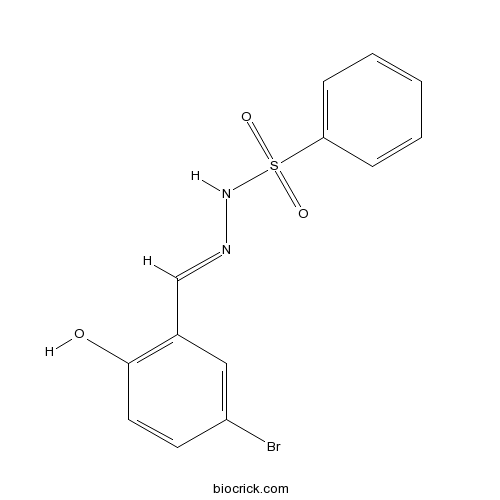
BCC3662
PD 173074
PD173074 is a potent FGFR1 inhibitor with an IC50 of 25 nM and also inhibits VEGFR2 with an IC50 of 100-200 nM, showing 1000-fold selectivity for FGFR1 over PDGFR and c-Src.
-
BCC6578
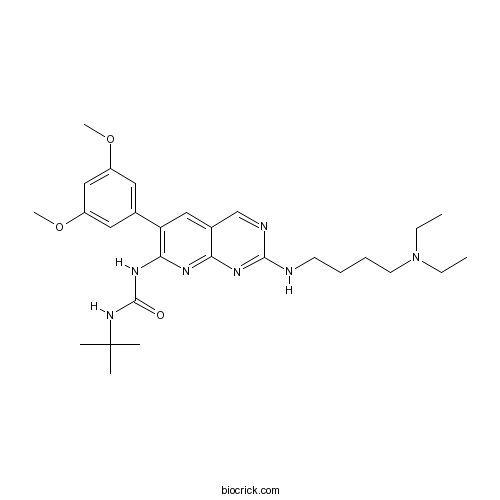
O-Phospho-L-serine
O-Phospho-L-serine is the immediate precursor to L-serine in the serine synthesis pathway, and an agonist at the group III mGluR receptors (mGluR4, mGluR6, mGluR7, and mGluR8); O-Phospho-L-serine also acts as a weak antagonist for mGluR1 and a potent antagonist for mGluR2.
-
BCC2305
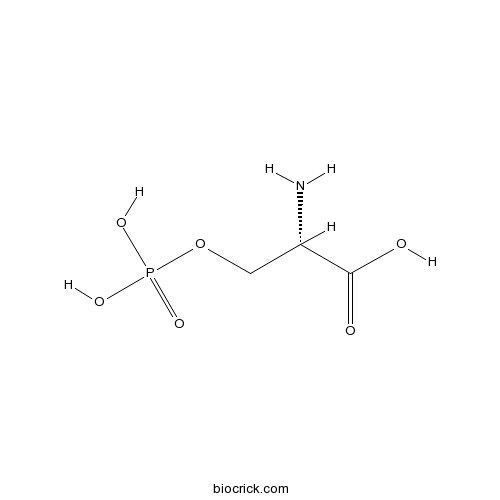
PluriSIn #1 (NSC 14613)
PluriSIn 1 (NSC 14613) is an inhibitor of stearoyl-coA desaturase (SCD), and is a pluripotent cell-specific inhibitor.
-
BCC3641
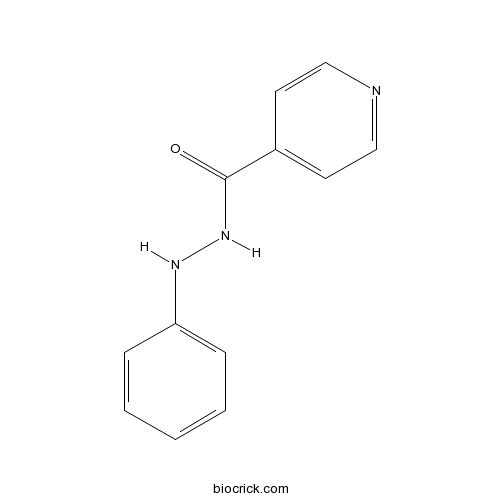
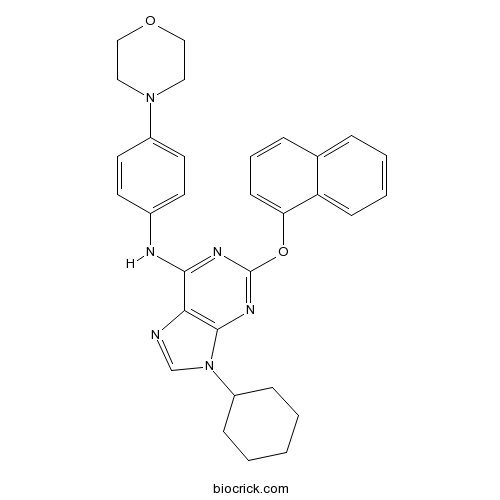
Purmorphamine
Purmorphamine (Shh Signaling Antagonist VI) is a smoothened receptor agonist with an EC50 of 1 μM.
-
BCC3592
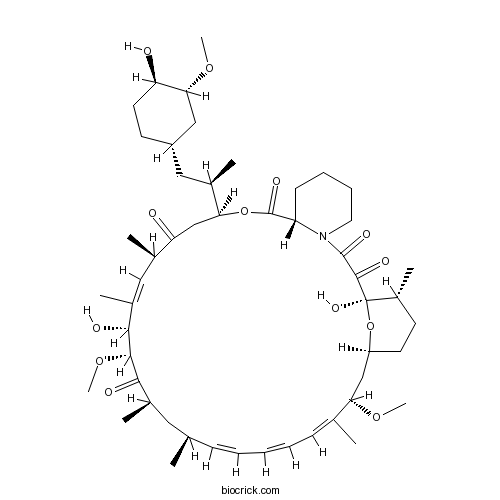
Rapamycin (Sirolimus)
Rapamycin (Sirolimus) is a potent and specific mTOR inhibitor with an IC50 of 0.1 nM in HEK293 cells. Rapamycin binds to FKBP12 and specifically acts as an allosteric inhibitor of mTORC1. Rapamycin is an autophagy activator, an immunosuppressant.
-
BCN2185
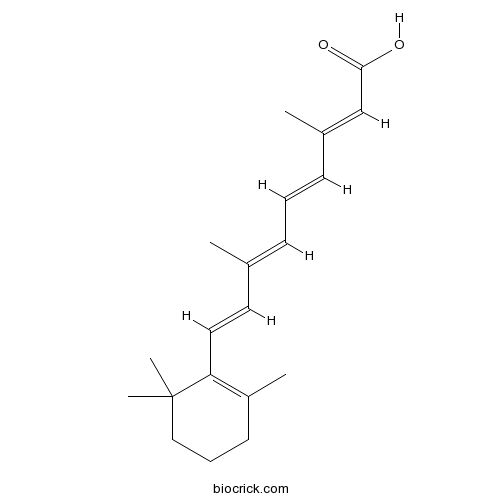
Retinoic acid
Retinoic acid is a metabolite of vitamin A that plays important roles in cell growth, differentiation, and organogenesis. Retinoic acid is a natural agonist of RAR nuclear receptors, with IC50s of 14 nM for RARα/β/γ. Retinoic acid bind to PPARβ/δ with Kd of 17 nM.
-
BCC2264
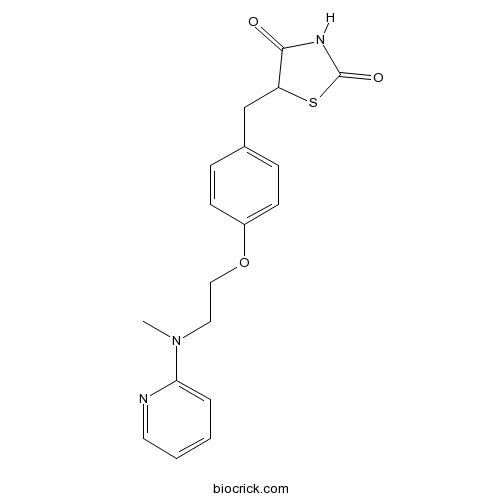
Rosiglitazone
Rosiglitazone (BRL 49653) is a selective PPARγ activator with EC50s of 30 nM, 100 nM and 60 nM for PPARγ1, PPARγ2, and PPARγ, respectively.
-
BCC6390
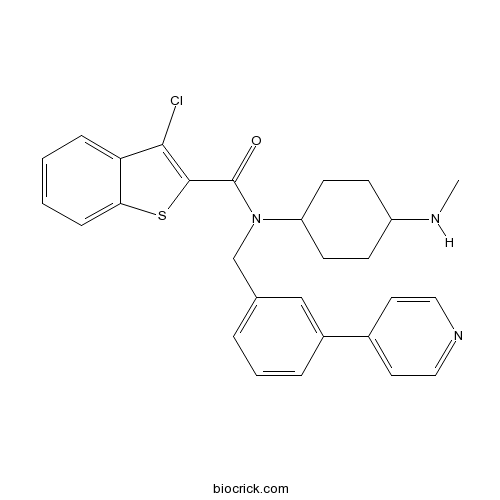
SAG
SAG is a potent Smo receptor agonist which activates the Hedgehog signaling pathway with a Kd of 59 nM.
-
BCC3658
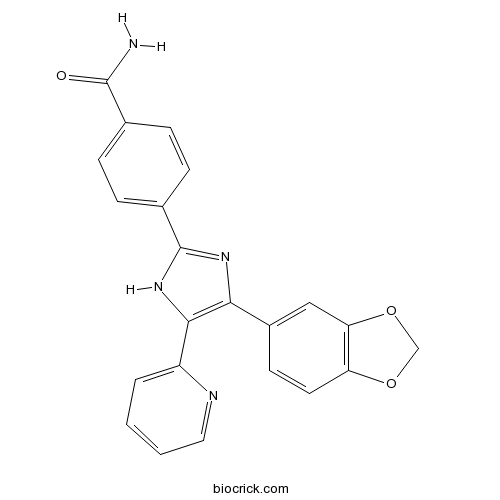
SB 431542
SB-431542 is a potent and selective inhibitor of ALK5/TGF-β type I Receptor with an IC50 value of 94 nM.
-
BCC6334
Shz 1
326886-05-9