Voltage-gated Sodium (NaV) Channel
Voltage-gated sodium channels (NaV) are responsible for action potential initiation and propagation in excitable cells, including nerve, muscle, and neuroendocrine cell types. They are also expressed at low levels in non-excitable cells, where their physiological role is unclear.
Products for Voltage-gated Sodium (NaV) Channel - Page 2
- Cat.No. Product Name Information/Activity
-
BCC6358
ICA 121431
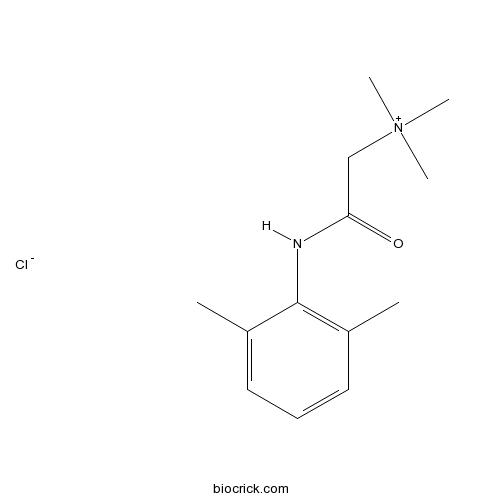
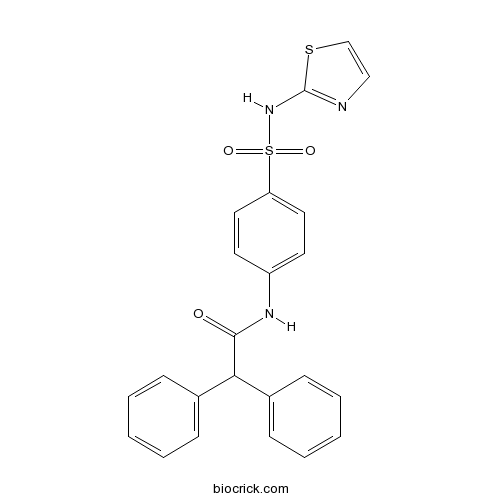
ICA-121431 is a nanomolar potent and broad-spectrum voltage-gated sodium channel (Nav) blocker, shows equipotent selectivity for human Nav1.1 and Nav1.3 subtypes with IC50 values of 13 nM and 23 nM, respectively. ICA-121431 shows less potent inhibition of Nav1.2 (IC50=240 nM) and 1,000 fold selectivity against Nav1.4, Nav1.6, and the TTX-resistant human Nav1.5 and Nav1.8 channels (IC50s >10 µM).
-
BCC6327
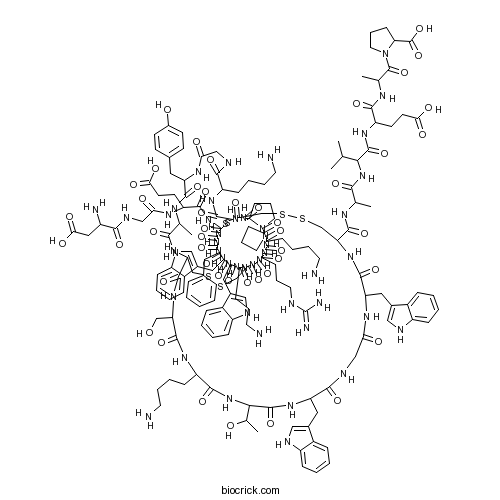
Jingzhaotoxin III
925463-91-8
-
BCC7618
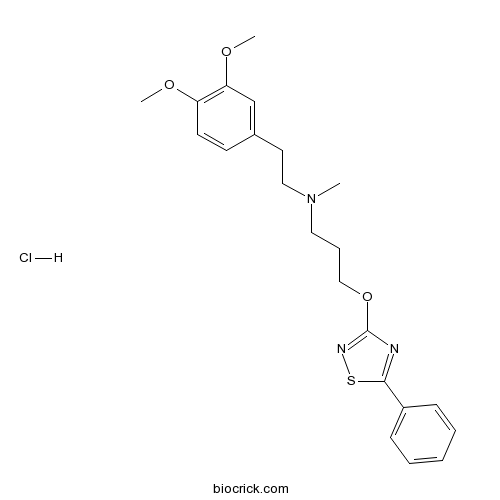
KC 12291 hydrochloride
181936-98-1
-
BCC7794
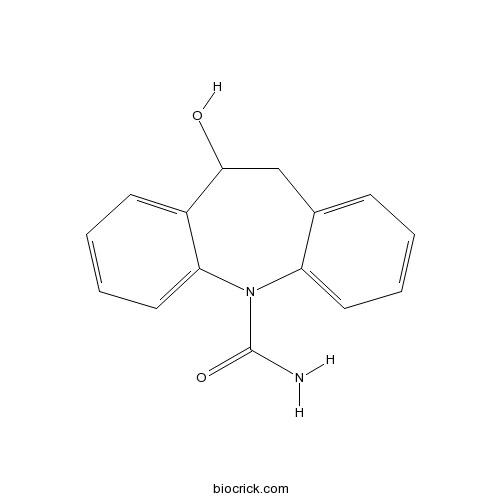
Licarbazepine
29331-92-8
-
BCC4677
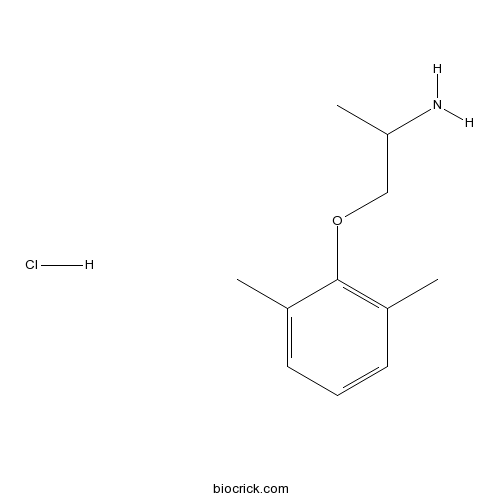
Mexiletine HCl
Mexiletine hydrochloride (KOE-1173 hydrochloride), a Class IB antianhythmic, is a non-selective voltage-gated sodium channel blocker.
-
BCC5077
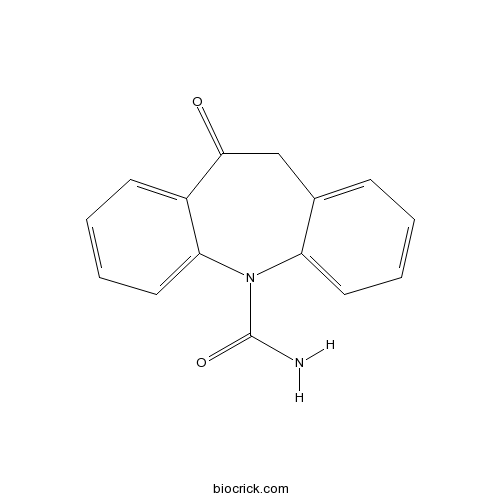
Oxcarbazepine
Oxcarbazepine (GP 47680) inhibits the binding of [3H]BTX to sodium channels with IC50 of 160 μM and also inhibits the influx of 22Na+ into rat brain synaptosomes with IC50 about 100 μM.
-
BCC6328
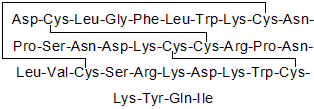
Phrixotoxin 3
880886-00-0
-
BCC6255
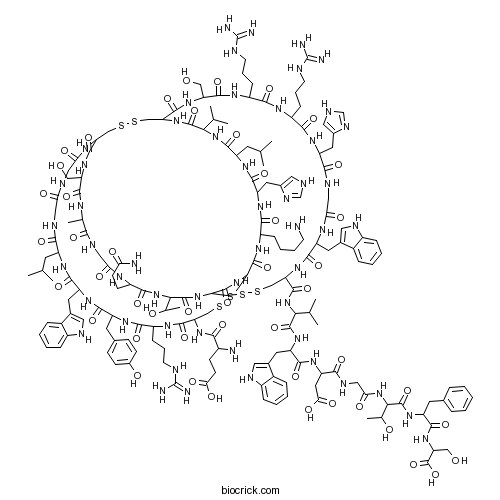
ProTx I
484598-35-8
-
BCC6103
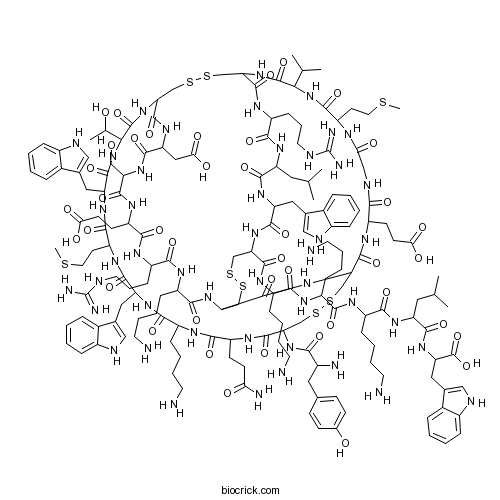
ProTx II
ProTx II is a selective blocker of Nav1.7 sodium channels with an IC50 of 0.3 nM, and is at least 100-fold selective for Nav1.7 over other sodium channel subtypes. ProTx-II inhibits sodium channels by decreasing channel conductance and shifting activation to more positive potentials and blocks action potential propagation in nociceptors.
-
BCC6906
QX 222
5369-00-6