Cardiovascular Research
The cardiovascular, or circulatory, system is a closed elastic circuit consisting of the heart, blood vessels (arteries, capillaries and veins) and the blood. The primary function is to pump oxygenated blood to the tissues throughout the body and reabsorb waste carbon dioxide for its removal. This function is performed by the use of pulmonary and systemic circulation.
Cardiovascular Research Products Areas
Products for Cardiovascular Research - Page 77
- Cat.No. Product Name Information/Activity
-
BCC2278
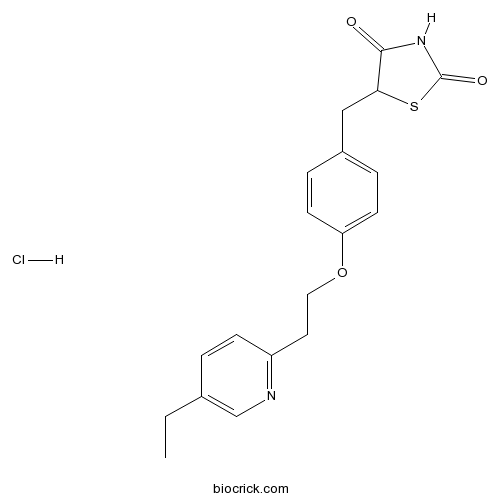
Pioglitazone HCl
Pioglitazone hydrochloride is a potent and selective PPARγ agonist with EC50s of 0.93 and 0.99 μM for human and mouse PPARγ, respectively.
-
BCC7321
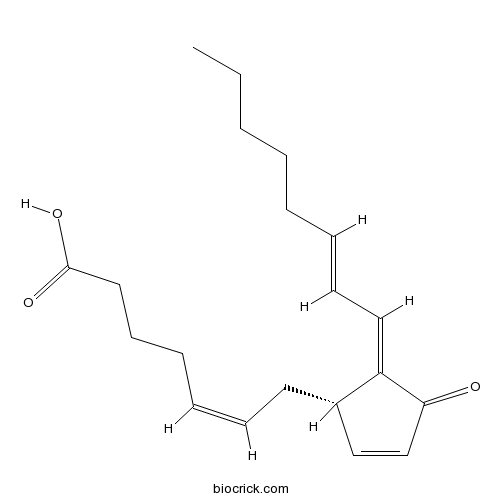
15-deoxy-Δ-12,14-Prostaglandin J2
15-Deoxy-Δ-12,14-prostaglandin J2 (15d-PGJ2) is a cyclopentenone prostaglandin and a metabolite of PGD2. 15-Deoxy-Δ-12,14-prostaglandin J2 is a selective PPARγ (EC50 of 2 µM) and a covalent PPARδ agonist. 15-Deoxy-Δ-12,14-prostaglandin J2 promotes efficient differentiation of C3H10T1/2 fibroblasts to adipocytes with an EC50 of 7 μM.
-
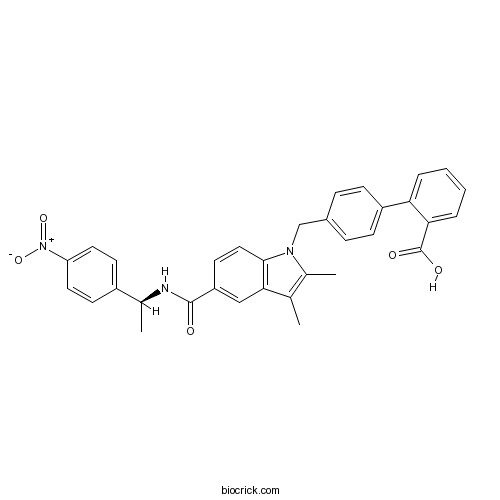
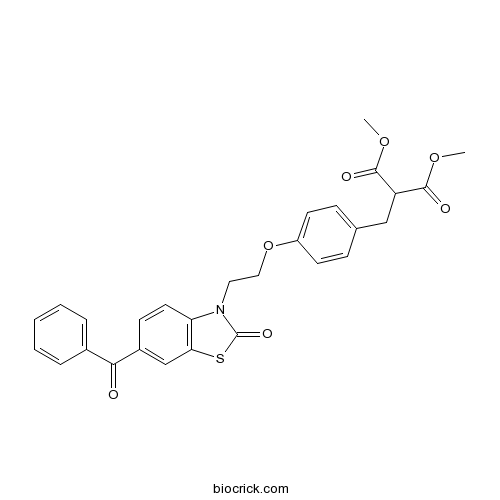
BCC7751
S26948
353280-43-0
-
BCC2016
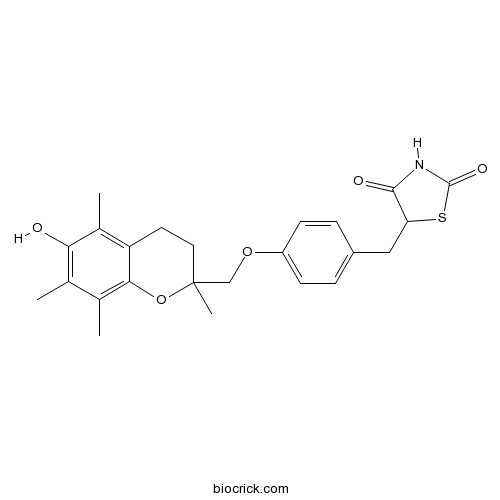
Troglitazone
Troglitazone is a PPARγ agonist, with EC50s of 550 nM and 780 nM for human and murine PPARγ receptor, respectively.
-
BCC7022
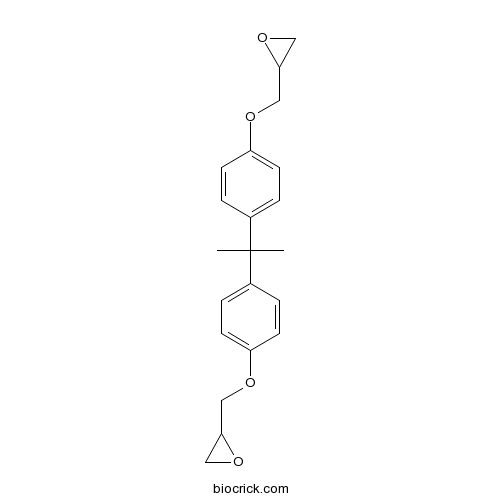
BADGE
1675-54-3
-
BCC2260
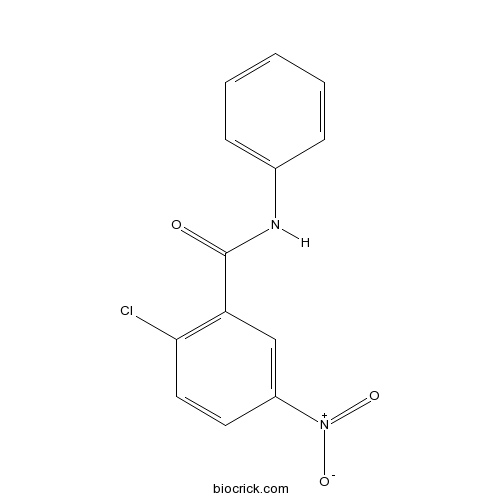
GW9662
GW9662 is a potent and selective PPARγ antagonist with an IC50 of 3.3 nM, showing 10 and 1000-fold selectivity over PPARα and PPARδ, respectively.
-
BCC7243
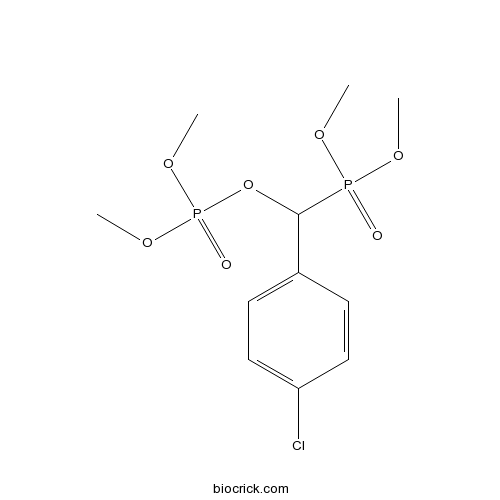
SR 202
Mifobate (SR-202) is a potent and specific PPARγ antagonist. Mifobate (SR-202) selectively inhibits Thiazolidinedione (TZD)-induced PPARγ transcriptional activity (IC50=140 μM). Mifobate (SR-202) does not affect basal or ligand-stimulated transcriptional activity of PPARα, PPARβ, or the farnesoid X receptor (FXR). Mifobate (SR-202) shows antiobesity and antidiabetic effects.
-
BCC2261
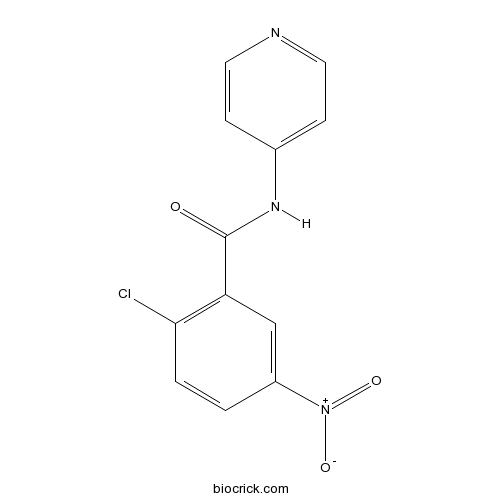
T0070907
T0070907 is a potent PPARγ antagonist with a Ki of 1 nM.
-
BCN5499
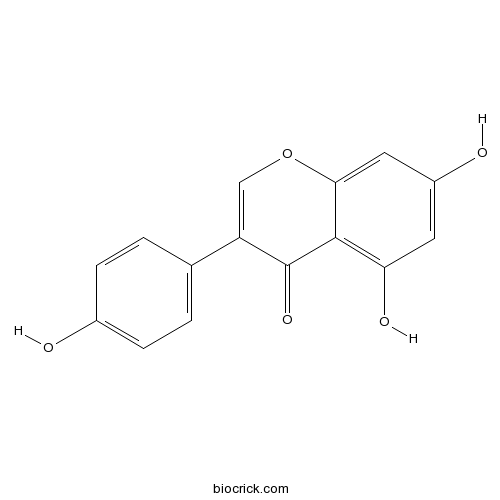
Genistein
Genistein, a soy isoflavone, is a multiple tyrosine kinases (e.g., EGFR) inhibitor which acts as a chemotherapeutic agent against different types of cancer, mainly by altering apoptosis, the cell cycle, and angiogenesis and inhibiting metastasis.
-
BCC6166
SR 1664
1338259-05-4