Intracellular Signaling
Cell signaling (cell signalling in British English) is part of any communication process that governs basic activities of cells and coordinates all cell actions. The ability of cells to perceive and correctly respond to their microenvironment is the basis of development, tissue repair, and immunity, as well as normal tissue homeostasis. Errors in signaling interactions and cellular information processing are responsible for diseases such as cancer, autoimmunity, and diabetes. By understanding cell signaling, diseases may be treated more effectively and, theoretically, artificial tissues may be created.
Intracellular Signaling Products Targets
- Cdc25 Phosphatase (2)
- STAT (10)
- PI 3-kinase (22)
- JAK (10)
- PFKFB3 (3)
- Hexokinases (1)
- Protein Kinase G (3)
- NFKB and IKB (30)
- Others (3)
- Cyclooxygenase (24)
- IRAK (1)
- PORCN (4)
- beta-catenin (13)
- PPARγ (16)
- PPARδ (5)
- PPARα (7)
- Inositol Phosphatase (3)
- MYC (1)
- Sphingosine Kinase (2)
- RSK (4)
- Protein Kinase D (3)
- Polo-like Kinase (5)
- Pim Kinase (4)
- PERK (2)
- Phosphoinositide-dependent Kinase 1 (5)
- P21-activated Kinases (2)
- Myosin Light Chain Kinase (4)
- mTOR (14)
- Monopolar Spindle 1 Kinase (2)
- Mnk (2)
- MK2 (2)
- MEK (9)
- LIMK (3)
- Focal Adhesion Kinase (4)
- DNA-Dependent Protein Kinase (6)
- Diacylglycerol Kinase (2)
- Death-Associated Protein Kinase (1)
- Checkpoint Kinase (3)
- Casein Kinase 2 (3)
- Casein Kinase 1 (7)
- Bruton's Tyrosine Kinase (3)
- ATM and ATR Kinase (3)
- Akt (Protein Kinase B) (11)
- Adeonsine Kinase (2)
- Abl Kinase (9)
- Hsp90 (10)
- Hsp70 (4)
- Protein Kinase A (9)
- Protein Kinase C (29)
- Calmodulin-Dependent Kinase (8)
- LRRK2 (4)
- ERK (6)
- DYRK (3)
- Estrogen and Related Receptor (33)
- Tankyrase (5)
- ITK (2)
- ASK1 (2)
- Syk Kinase (4)
- Src Kinase (21)
- Raf Kinase (7)
- IαB Kinase (6)
- p38 MAPK (16)
- Janus N-terminal Kinase (12)
- Androgen Receptor (11)
- Glycogen Synthase Kinase 3 (20)
- AMPK (7)
- Rho-Kinases (9)
- AP-1 (2)
- SREBP (2)
- NUAK (2)
- Telomerase (3)
- Retinoid X Receptor (13)
- Retinoic Acid Receptor (22)
- Proteasome (5)
- Phospholipase (16)
- Lipase (4)
- G Protein (Small) (23)
- Hedgehog Signaling (15)
- DNA Topoisomerase (12)
- DNA, RNA and Protein Synthesis (46)
- Protein Tyrosine Phosphatases (5)
- Protein serine and threonine phosphatase (16)
- Histone Deacetylase (19)
- Aurora Kinase (9)
- Cyclin-Dependent Protein Kinase (21)
Products for Intracellular Signaling - Page 50
- Cat.No. Product Name Information/Activity
-
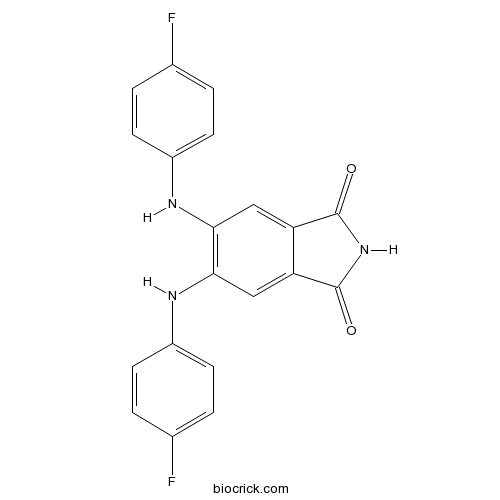
BCC7363
CGP 53353
145915-60-2
-
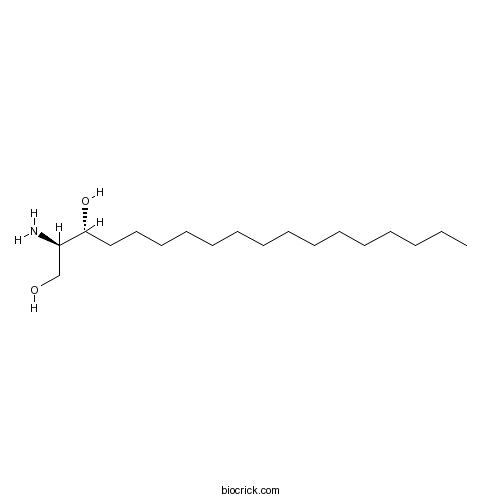
BCC6778
Dihydrosphingosine
3102-56-5
-
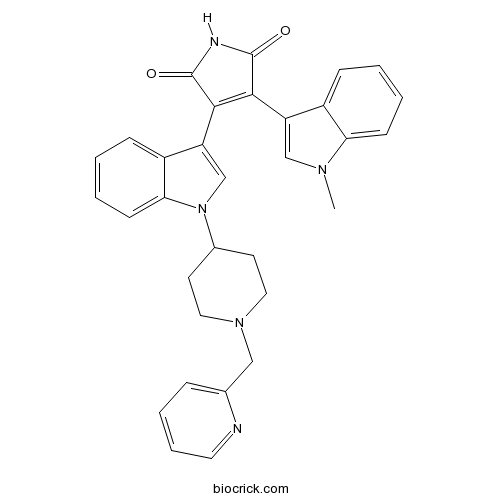
BCC1100
Enzastaurin (LY317615)
Enzastaurin is a potent and selective PKCβ inhibitor with an IC50 of 6 nM, showing 6- to 20-fold selectivity over PKCα, PKCγ and PKCε.
-
BCC3704
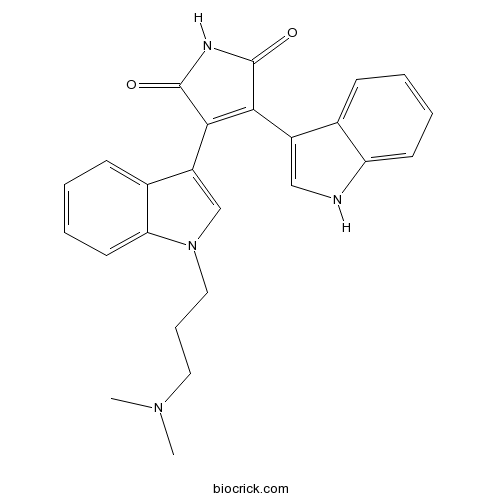
GF 109203X
Bisindolylmaleimide I (GF109203X) is a highly selective, cell-permeable, and reversible protein kinase C (PKC) inhibitor with a Ki of 14 nM.
-
BCC3705
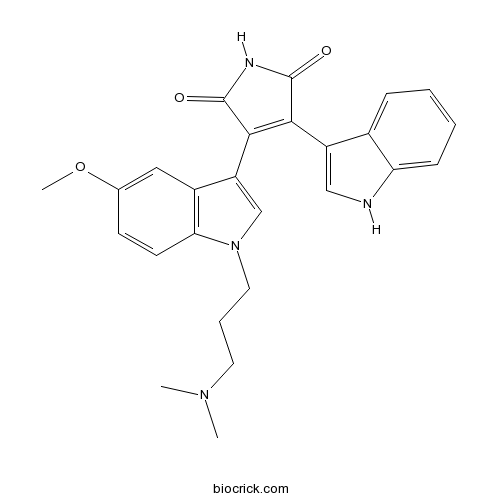
Go 6983
Go 6983 is a pan-PKC inhibitor against for PKCα, PKCβ, PKCγ, PKCδ and PKCζ with IC50 of 7 nM, 7 nM, 6 nM, 10 nM and 60 nM, respectively.
-
BCC3706
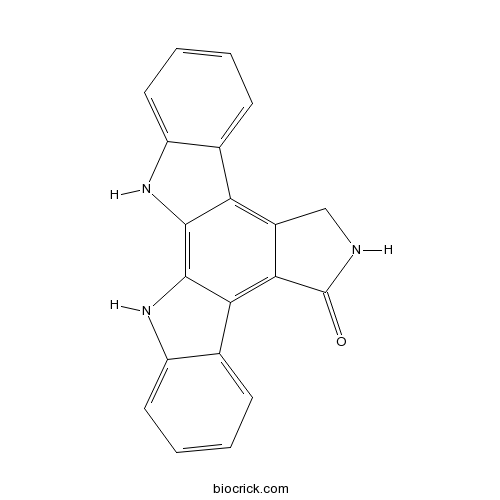
K-252c
K-252c, a staurosporine analog isolated from Nocardiopsis sp., is a cell-permeable PKC inhibitor, with an IC50 of 2.45 µM. K-252c induces apoptosis in human chronic myelogenous leukemia cancer cells. K-252c also inhibits β-lactamase, chymotrypsin, and malate dehydrogenase.
-
BCC5835
[Ala107]-MBP (104-118)
99026-77-4
![[Ala107]-MBP (104-118) chemical structure](/media/images/struct/BCC5835.png)
-
BCC5836
[Ala113]-MBP (104-118)
99026-78-5
![[Ala113]-MBP (104-118) chemical structure](/media/images/struct/BCC5836.png)
-
BCC6718
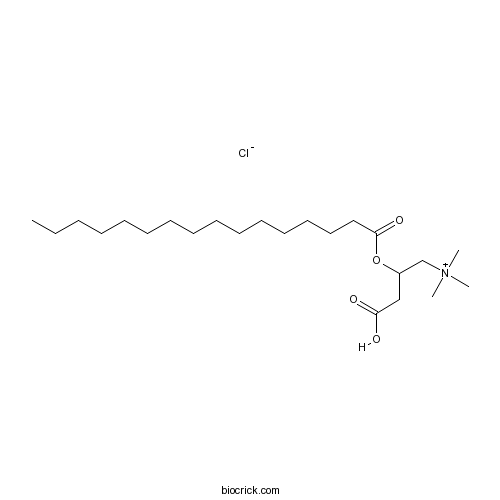
(±)-Palmitoylcarnitine chloride
Palmitoylcarnitine chloride is a fatty acid-derived mitochondrial substrate, and selectively decreases cell survival in colorectal and prostate cancer cells by affecting on pro-inflammatory pathways, Ca2+ influx, and DHT-like effects.
-
BCC5350
Midostaurin (PKC412)
Midostaurin (PKC412; CGP 41251) is a multi-targeted protein kinase inhibitor which inhibits PKCα/β/γ, Syk, Flk-1, Akt, PKA, c-Kit, c-Fgr, c-Src, FLT3, PDFRβ and VEGFR1/2 with IC50 ranging from 22-500 nM.